Automotive Locksmith
Key Fob Works Sometimes? When Key Fob Programming May Help
An unreliable key fob may point to a weak battery, damage, signal trouble, or lost pairing. Use these checks before arranging key fob programming.
Car key extraction In Houston by Mobile Locksmith with 20 minute arrival, damage free removal and on the spot key cutting for all cars 24 hour emergency service
Get Help With a Broken Key in Your Car Lock
Car key extraction in Houston removes a broken key from a vehicle’s ignition, door, or trunk lock. At Mobile Locksmith, we help Houston, TX drivers assess the problem, remove the trapped piece, and check the lock before discussing any replacement key or further work the vehicle may need.
A snapped key can stop your day before you even leave the driveway. You may be holding the key’s head while the blade remains inside the ignition. Or the key may break in a door lock while your phone, bag, and spare key are inside.
Stop turning the remaining piece, and keep both pieces if you have them. Call (281) 528-1703 or visit Mobile Locksmith to discuss your vehicle, location, and next steps.
Car key extraction is the controlled removal of a broken key fragment from a lock cylinder. The goal is to remove the obstruction while protecting the working parts inside the lock.
The job is different from a routine vehicle lockout. A lockout involves gaining access when the key is missing or inside the car. Extraction addresses a piece of metal lodged where a working key needs to go.
The broken piece may be visible at the opening or sit farther inside. Its position affects which tools and methods can reach it. A fragment pushed past the keyway entrance often needs more careful access than a piece sticking out.
Removing the fragment does not always solve the entire problem. A worn key, sticking cylinder, or damaged ignition component may have caused the break. We check what the lock does after extraction before recommending the next step.
A broken, bent, or tightly trapped key needs attention before more force causes additional damage. Continuing to twist the key can change a manageable problem into a lock that needs further work.

Did the key feel stiff before it snapped? That detail can help distinguish a weak key blade from a lock that was already binding. Tell us whether the problem appeared suddenly or had been getting worse.
An intact trapped key is not always an extraction job. Steering pressure, gear-selector position, or an ignition fault may prevent its release.
Describe the symptom rather than forcing a solution.
A car key often breaks because the metal has weakened or the lock resists normal movement. The final turn may finish a problem that developed over many months.
A bent blade can develop a weak spot when someone straightens it. Repeated copying from a worn key can also produce a key that does not operate smoothly. Small cracks near the shoulder may go unnoticed until the key separates.
The lock itself can contribute. Dirt, worn internal parts, or a sticking cylinder can make a driver apply more pressure than the key can handle. A heavy key ring can add stress to an ignition during regular driving.
Texas heat does not explain every broken key. Age, physical wear, and how the lock operates are more useful clues. If the key needed a special wiggle each morning, mention that during your call.
The safest first step is to stop inserting objects into the lock and keep the fragment in its current position until it can be assessed for key extraction. Household tools can push it farther inside or damage the narrow keyway.
Avoid using a screwdriver, knife tip, or another key to move the piece. Pliers may seem useful, but they can slip when only a tiny edge is exposed. Your ignition is not a good place to test your toolbox.
If you already tried a tool, glue, or spray, tell us. That information helps us assess access and avoid working blindly around material left inside.
Your immediate safety matters more than removing the key or retrieving belongings. Move away from traffic if you can do so safely, and contact emergency services when someone faces immediate danger.
Is a child or pet locked inside during hot weather? Do not treat that as a routine vehicle lockout appointment. Tell emergency responders what is happening and follow their instructions.
If you are stopped near a busy Houston road, avoid standing between vehicles or on the traffic side of your car. Use a safe nearby place to make your call when possible. Never try to roll a vehicle out of danger unless you can control it safely.
A vehicle that remains running after the key breaks also needs clear communication. Tell us whether the engine is on, whether the vehicle is secure, and whether you are in an enclosed space. Do not leave a running car unattended.
Our car key extraction in Houston service begins with checking where the key broke and how the lock is behaving. That assessment helps us select an approach without assuming every broken key needs the same treatment.
The approach may change if the cylinder cannot be accessed safely in place. We explain what we find before moving beyond the extraction task.
A broken key in the ignition requires attention to both the fragment and the ignition’s operating position. Removing metal is only part of determining whether the vehicle is ready for normal use.
Steering-wheel pressure can prevent some ignition keys from turning easily. A vehicle not fully in Park can also prevent key release on certain models. These conditions differ from a physically damaged cylinder and should not be treated with extra force.
Tell us whether the key broke while turning, while being pulled out, or after the vehicle was switched off. Also mention whether the steering wheel is locked. Those clues help establish what needs checking.
After removal, a working key should operate without unusual resistance. If the ignition still catches or refuses to move normally, further diagnosis may be needed. Replacing the key alone will not correct every ignition fault.
A broken key in a door or trunk lock can block access even when the ignition works normally. The lock’s location and condition affect how the fragment can be reached.
Exterior locks face dirt, moisture, and long periods without use. Drivers who rely on remote buttons may not discover a stiff mechanical lock until the remote battery stops working. Forcing the backup key can then cause it to bend or snap.
Some vehicles hide the mechanical door lock behind a small handle cover. Avoid prying at the cover unless you know the correct removal method for your model. A broken cover adds another problem without improving access.
Let us know whether the car is locked and whether another door opens. Also tell us if the fragment is in a trunk, hatch, or door cylinder. Access needs may differ even on the same vehicle.
The correct next key depends on the blade, the vehicle’s security system, and the condition of the original key. Extraction and key replacement are separate tasks, even when both are needed during the same visit.
Keep the broken pieces and any spare keys available. The pieces may help identify the key, but copying a worn blade is not always the best route. A key that caused repeated trouble should not simply be duplicated without checking its condition.
Many vehicles use a transponder chip that must be recognized before the engine will run. A blade that opens the door may not be enough to operate the vehicle. Push-button vehicles may also have a removable mechanical key for emergency entry.
Ask about key cutting and programming when you call. Provide the year, make, and model so we can discuss applicable options. Do not assume every vehicle uses the same equipment or procedure.
The time needed for extraction depends on where the fragment sits and whether the lock has other damage. A clear description helps us give you useful expectations before a visit.
A piece near the opening may be easier to reach than a fragment lodged farther inside. A twisted blade, jammed cylinder, or earlier glue attempt can require more work. Additional key cutting or programming can also affect the overall visit.
Travel time is separate from work at the vehicle. Houston traffic, road conditions, and access to your parking area can affect arrival. Ask for current availability and an arrival estimate based on your actual location.
A fixed arrival promise cannot account for every road or vehicle condition. We would rather discuss the situation clearly than suggest every extraction follows the same clock. Mention any access deadline, including a garage closing time, during your call.
Having your vehicle information and exact location ready helps us understand the job before reaching the car. You do not need to diagnose the lock yourself before a car locksmith visit.
Can someone reach the vehicle without entering a locked garage or secured lot? Arrange access if possible, and tell us about any entry restrictions. Clear directions help prevent unnecessary calls while the technician is trying to locate you.
Your parking location can affect how easily mobile service reaches the vehicle. In Houston, TX, a street address alone may not identify the correct garage, driveway, or row.
At an apartment property, share the building number and visitor-entry instructions. At an office or medical campus, name the garage and floor. For a large shopping lot, a store entrance and nearby landmark can help locate the car.
Covered garages may have height limits or restricted service areas. Let us know about those limits before arrival. If the vehicle cannot move, do not assume it must be moved just to discuss extraction.
During heavy rain, stay in a safe nearby place if the car is secure. Never enter floodwater to reach a stranded vehicle. Across Houston, Texas, clear access information matters more than guessing which route a service vehicle should take.
A successful extraction should be followed by checking how the lock works with a suitable key. The absence of a broken piece does not prove the original cause is gone.
Watch for resistance when inserting, turning, or removing the key. If the key needs repeated shaking or only works at an awkward angle, stop relying on that workaround. A lock should not require a daily negotiation.
If trouble returns, note exactly when it happens. A door key that sticks during removal presents a different clue from an ignition key that will not turn.
Mobile Locksmith helps you take the next practical step when a broken key blocks access or prevents normal vehicle use. Tell us what happened, where the car is parked, and whether you have a working spare.
When you need car key extraction in Houston, clear information makes the call more useful. We can discuss the extraction request, vehicle-specific needs, current availability, and whether additional key service may be required.
You do not need to keep testing the broken key before contacting us. Leave the lock alone, save the pieces, and focus on staying safe. A snapped key is frustrating enough without adding a screwdriver to the story.
Call (281) 528-1703 or contact us about car key extraction at Mobile Locksmith in Houston, TX.
Car key extraction is the removal of a broken or stuck key from a vehicle’s lock or ignition.
Mobile Locksmith provides car key extraction services.
Key wear, lock issues, or ignition problems may cause a key to become stuck.
Avoid forcing the remaining piece or inserting objects into the lock, and contact a locksmith.
Extraction may be possible, depending on the condition of the key and ignition.
Pulling or twisting a stuck key may cause further damage. Consider seeking professional assistance.
Extraction and key replacement are separate services. Discuss your needs with the provider.
That depends on its condition. Removing the key does not necessarily mean the lock needs replacing.
Share your vehicle’s make and model, your location, and whether the key is stuck or broken.
Avoid forcing a key that resists turning, and seek assistance if you notice wear or recurring difficulty.
An unreliable key fob may point to a weak battery, damage, signal trouble, or lost pairing. Use these checks before arranging key fob programming.
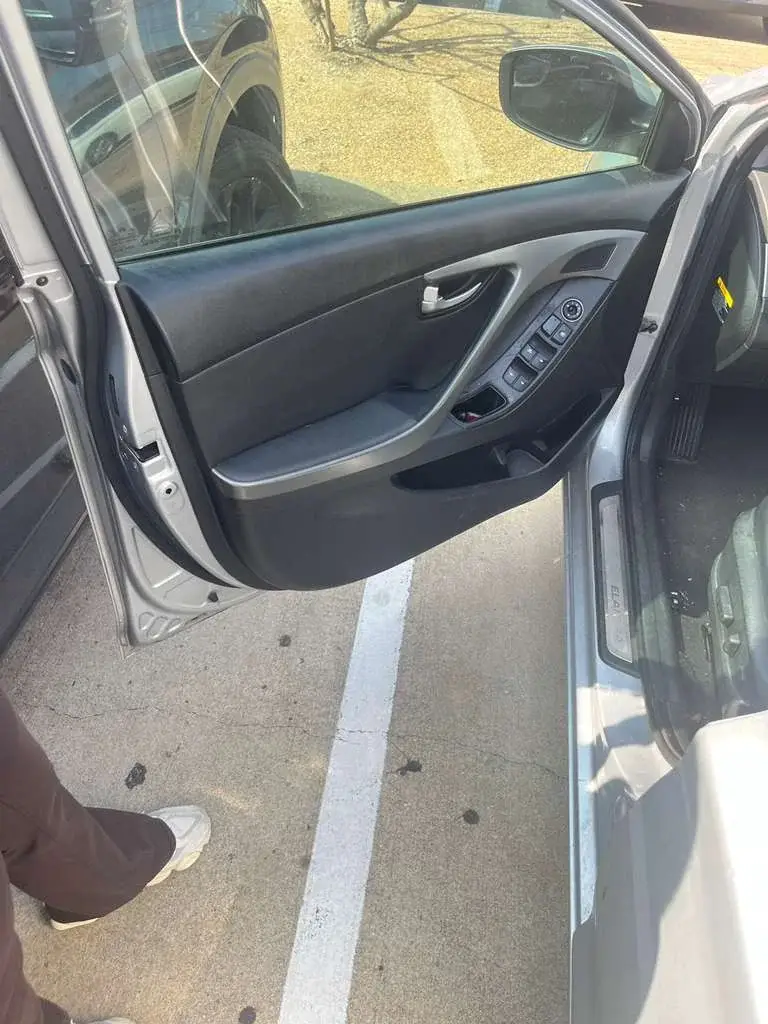
A broken key fragment can get pushed deeper or damage the lock. Stop turning and avoid glue, magnets, prying tools, and spare keys. Secure the car and arrange key extraction help.
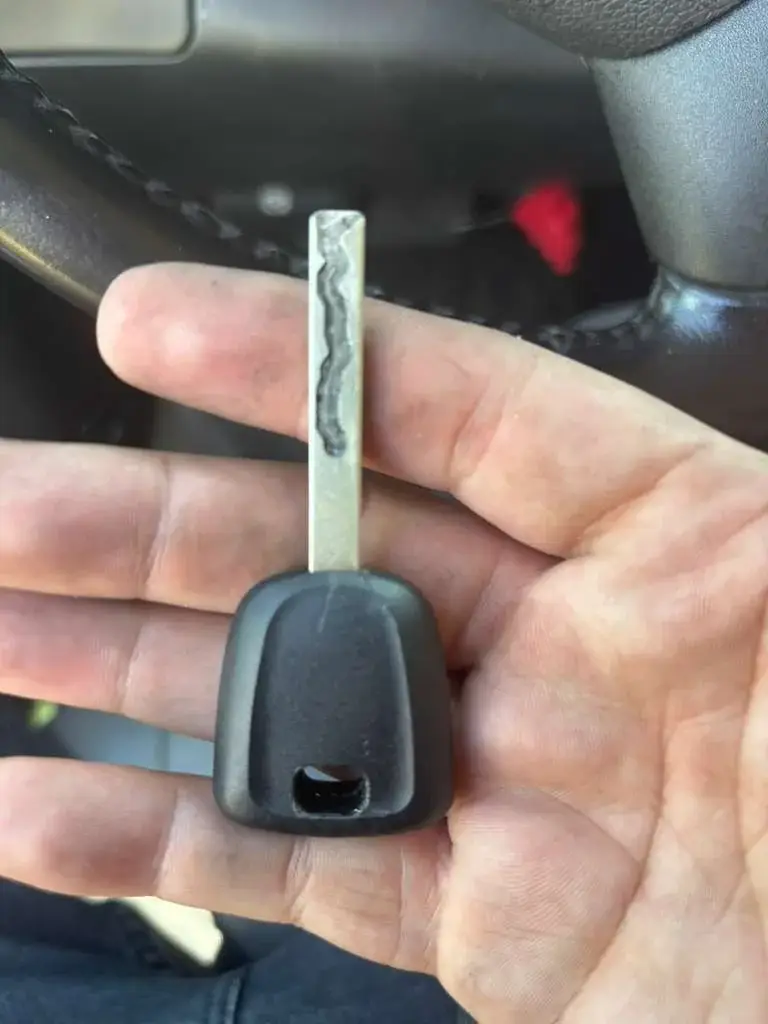
Lost your only car key? A mobile locksmith may be able to make and program a replacement once they confirm your vehicle details and authorization.