Automotive Locksmith
Key Fob Works Sometimes? When Key Fob Programming May Help
An unreliable key fob may point to a weak battery, damage, signal trouble, or lost pairing. Use these checks before arranging key fob programming.
Commercial Locksmith In Houston by Mobile Locksmith offering 24 hour rekey access control master keys and panic bars for Houston businesses call now
Commercial locksmith service in Houston covers business lockouts, rekeying, lock repairs, key control, and door security. Mobile Locksmith helps Houston, TX businesses address access problems and choose practical security options. We focus on how your doors work, who needs entry, and how to keep daily operations moving.
Commercial locksmith service helps your business control entry while keeping doors practical for employees, customers, and deliveries. A useful solution must fit the door, the building, and the way people use the space.
At Mobile Locksmith, we start with the problem you need solved. That might be a missing office key, a storefront lock that sticks, or a stockroom that too many people can access.
Different doors often need different approaches. Your public entrance may need simple customer access during business hours, while a records room needs restricted entry throughout the day.
Who can enter your building right now? If the answer includes former employees or unknown key holders, reviewing your locks and access procedures is a sensible next step.
Sticking keys, loose handles, and doors that fail to latch are reasons to schedule a lock inspection. Small changes in operation can signal wear before a door becomes unusable.
A key should not need a special wiggle known only to the opening manager. If the door has developed its own morning routine, something needs attention.
Report whether the problem happens constantly or only during certain hours. That detail can help separate lock wear from alignment or door movement.

A commercial lockout requires checking authorization and choosing an entry method suited to the lock and door. Forcing the entrance can turn a simple access problem into damage that interrupts business longer.
Before calling, check whether another authorized manager has a working key. Do not ask employees to climb through windows or force a rear door.
When you contact Mobile Locksmith, explain whether the key is missing, broken, or turning without opening the lock. Mention whether anyone is inside and whether another approved entrance is available.
Have identification and evidence of your authority to access the property ready. A tenant, property manager, or business owner may need to coordinate approval before work begins.
If someone is in immediate danger, contact emergency services first. Locksmith assistance is not a substitute for emergency response.
Rekeying changes a compatible lock’s internal key configuration so previous keys no longer operate it. It can be a practical choice when the existing lock is in usable condition.
Employee departures, misplaced keys, and tenant changes are common reasons to consider rekeying. Taking over a Houston commercial space is another good time to review who may still hold keys.
Rekeying does not correct every security problem. A worn cylinder, damaged latch, or poorly fitted lock may need repair or replacement instead.
Before requesting service, list the doors you want included. Check offices, storage rooms, delivery entrances, and gates rather than focusing only on the front entrance.
We can discuss whether compatible locks can share a key. That decision should reflect who needs access, not just the convenience of carrying fewer keys.
Lock repair corrects a serviceable component, while replacement addresses hardware that is damaged, unsuitable, or beyond practical repair. The right choice depends on the condition of the full door opening.
A loose mounting screw can feel like a failing lock. A shifted strike can keep a good latch from seating correctly.
That is why inspection should include the cylinder, latch, strike, hinges, and mounting points. Replacing the lock alone may leave the original problem untouched.
For replacement work, useful details include the following.
Commercial doors often use mortise locks, rim cylinders, lever sets, or other application-specific hardware. Matching the existing opening helps avoid unnecessary changes to the door.
A master key system lets selected keys open assigned groups of compatible locks. It can help managers access multiple rooms while limiting employees to the spaces they need.
For a multi-office building, individual keys might operate separate suites while an authorized management key opens selected common doors. The access plan should be settled before cylinders are configured.
Our commercial locksmith service in Houston can help you review which doors belong together and which should remain separate. A useful plan follows job responsibilities rather than giving everyone broad access.
Start by writing down three things.
Keep a record of issued keys and retrieve them when responsibilities change. A master key carries wider access, so losing it can affect more doors than losing an individual key.
Access control uses approved credentials to manage entry through selected doors. Depending on the system, credentials may include codes, cards, or fobs.
These systems can help businesses change staff access without collecting a physical key from every person. Certain systems also support schedules or entry records, but features vary by product and setup.
The door must still close and latch correctly. An electronic reader cannot fix a dragging door or a misaligned strike.
Before choosing equipment, review these points.
Ask about compatibility before buying hardware. We can review the opening and discuss locksmith work needed alongside any electrical or system support.
Panic bars allow occupants to operate compatible exit hardware by pushing a bar or touchpad. Their condition matters because an exit door must function properly from inside.
A bar that sticks, a latch that fails to retract, or a door that does not close deserves prompt attention. Do not chain, tape, or block exit hardware to solve an access problem.
Business owners sometimes focus on keeping people out and overlook how occupants will leave. Both functions need to be considered together.
We can inspect the door’s mechanical operation and discuss repair or replacement options. Requirements depend on the building and its use, so confirm applicable needs with the appropriate building or fire authority.
Tell us if an alarm, outside trim, or access control device connects to the opening. These components may affect the work needed.
A door closer and properly aligned frame help a lock engage as intended. If the door never reaches the correct position, even a new lock may not secure the opening.
Houston weather, frequent deliveries, loose hinges, and general wear can all contribute to door trouble. A slamming door may also damage hardware or make entry uncomfortable.
Watch how the door moves without pushing or pulling it into place. Does it drag, bounce, stop short, or strike the frame?
Note whether the issue changes during the day. Heat exposure, wind, and building pressure can affect how an exterior door behaves.
Closer adjustments should be made carefully and within the hardware’s limits. Avoid randomly turning adjustment screws, since incorrect changes can worsen operation or damage the closer.
A useful service visit starts by confirming the problem, checking authorization, and inspecting the opening. We then discuss suitable work before making changes.
Our goal is to address the cause rather than treat only the symptom. A lock that feels jammed may actually be under pressure from a misaligned door.
The process generally follows these steps.
Have someone familiar with the daily problem available if possible. Their observations can help when a fault does not appear during the first test.
Preparing door details and access approval helps reduce avoidable delays for building locksmith work. You do not need to identify every component before calling.
A few clear photos can be useful if requested. Capture the full door, the lock from both sides, and any visible brand markings.
Do not send alarm codes or access credentials through an unsecured message. Ask how sensitive information should be handled.
The time needed depends on the number of doors, hardware condition, and work requested. An inspection provides a better basis for planning than a description alone.
A single compatible cylinder rekey is a different task from correcting several damaged storefront openings. Access control changes may also require coordination beyond the mechanical lock work.
Conditions that can extend a visit include the following.
Tell us if the entrance must remain usable during business hours. We can discuss work sequencing and whether another approved entrance is available.
For urgent requests or problems outside regular business hours, call to check current availability. Arrival timing depends on the request and current conditions.
Houston businesses benefit from lock choices that match traffic, staffing, weather exposure, and property rules. The busiest door is not always the door needing the tightest access control.
A retail entrance may cycle constantly during the day. A warehouse side door may see fewer people but handle regular deliveries and after-hours staff entry.
Office suites across Houston, Texas often need access updates after a move or staffing change. Shared properties may also require coordination between tenants and building management.
Consider how your space actually operates.
These answers help connect hardware decisions to everyday work. The strongest plan on paper is not useful if employees routinely bypass it.
Regular checks help you catch loose hardware, missing keys, and poor door operation before they interrupt work. A short closing routine is often enough to spot a change.
Test doors using normal pressure rather than lifting or pulling them into position. Confirm that each latch engages and that authorized keys work without force.
After service, keep these habits.
Do not label keys with the full business address. Store spare keys in a controlled location, not in a predictable hiding place near the entrance.
Mobile Locksmith helps you take the next practical step with business locks, keys, and door access. Tell us what is happening, which doors are affected, and when the space is accessible.
If you need a commercial locksmith in Houston, call (281) 528-1703 or visit our contact page. We can discuss your request, confirm current availability, and explain what information is useful before a visit.
Whether you manage a storefront, office, warehouse, or shared commercial property, start with the door causing concern. Clear details help us focus on the work your Houston, TX business needs.
A commercial locksmith assists with locks and access needs for business properties. Mobile Locksmith provides this service.
A business may need assistance with lock issues, lost keys, changes in occupancy, or access updates.
Rekeying changes which key operates an existing lock without replacing the entire lock.
Replacement may be worth considering when locks are worn, damaged, or no longer suit the business’s needs.
Commercial locksmith services commonly include help with office lockouts, subject to authorization and service availability.
A master key system allows designated keys to open selected groups of locks within a property.
Keyless entry is an option for some commercial properties, depending on their doors and access requirements.
Reviewing key access can help a business decide whether rekeying or other access changes are appropriate.
An owner, property manager, or authorized representative typically arranges the work and may need to confirm authorization.
Contact Mobile Locksmith to discuss your business’s general lock needs and confirm service availability.
An unreliable key fob may point to a weak battery, damage, signal trouble, or lost pairing. Use these checks before arranging key fob programming.
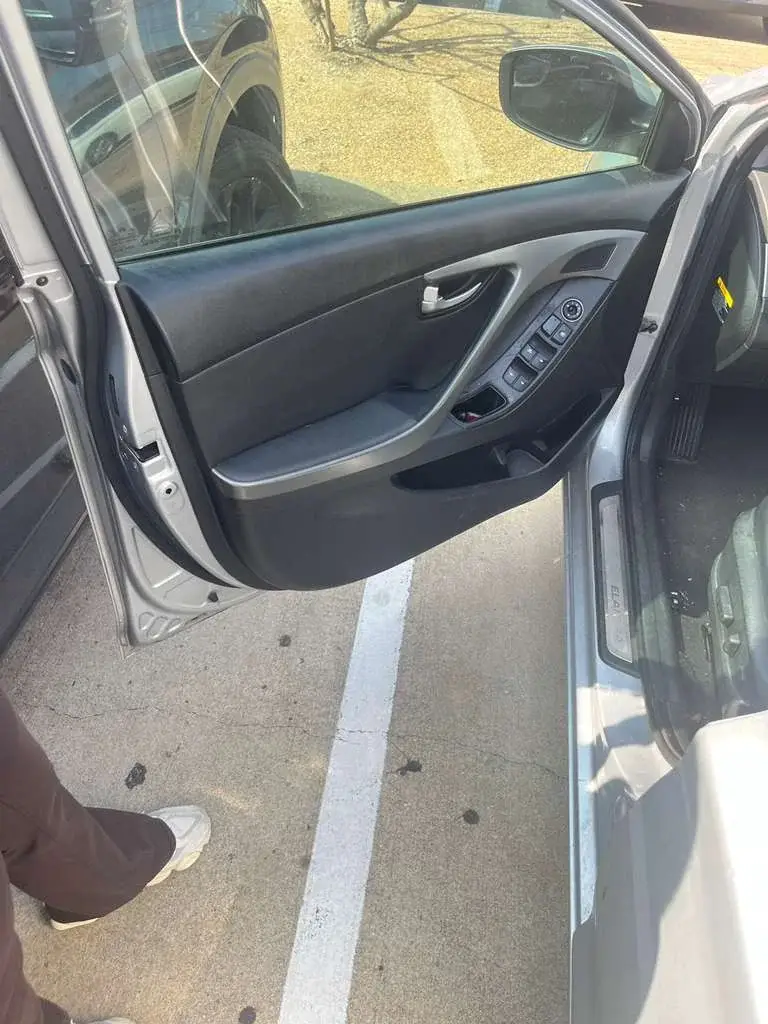
A broken key fragment can get pushed deeper or damage the lock. Stop turning and avoid glue, magnets, prying tools, and spare keys. Secure the car and arrange key extraction help.
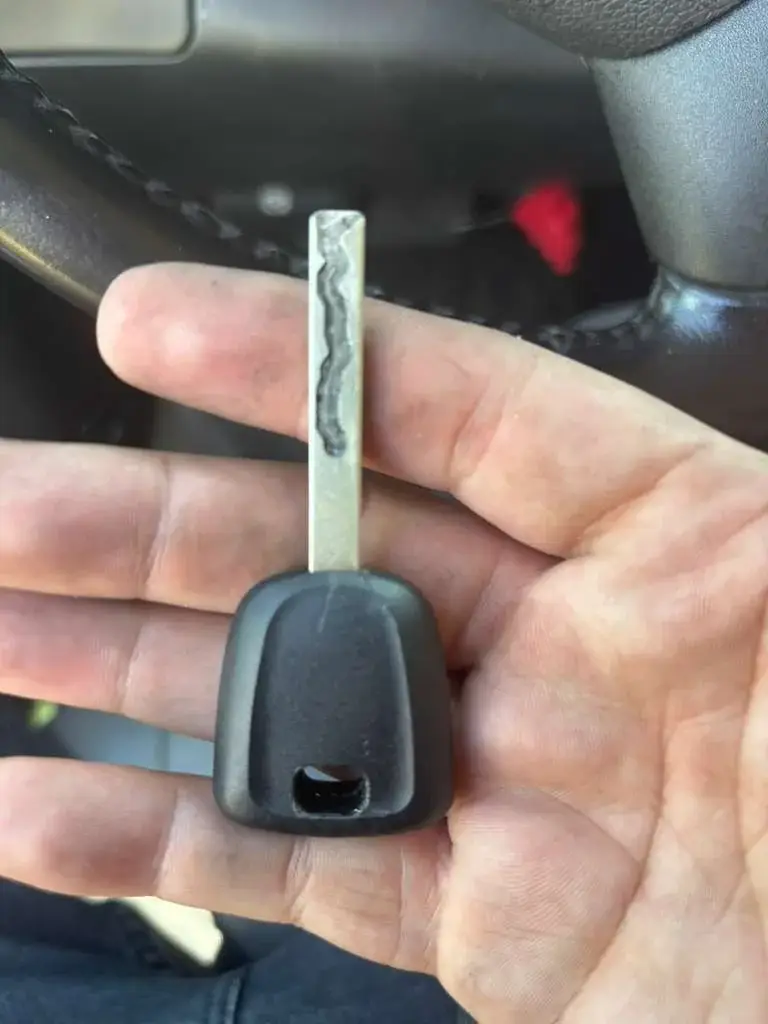
Lost your only car key? A mobile locksmith may be able to make and program a replacement once they confirm your vehicle details and authorization.