Automotive Locksmith
Key Fob Works Sometimes? When Key Fob Programming May Help
An unreliable key fob may point to a weak battery, damage, signal trouble, or lost pairing. Use these checks before arranging key fob programming.
Need a trusted Residential Locksmith In Houston Mobile Locksmith offers 24 7 home lockout help rekey and lock installation fast response and upfront prices
Home Lock Help for Houston Households
Residential locksmith service in Houston helps homeowners restore entry, control access, and fix worn or damaged locks. Mobile Locksmith helps Houston, TX, households with home lockouts, rekeying, lock replacement, and new lock installation. We focus on the door, the hardware, and the access needs behind your call.
Residential locksmith service addresses both access problems and the hardware that helps keep your home secure. A locked front door matters, but so do the back door, garage entry, and any other entrance people use.
Some calls involve an immediate problem, like a key that will not turn. Others involve planning, like changing access after a move or replacing a lock that has become difficult to use.
Not sure which service fits?
Tell us what the door does, what changed, and whether you can currently enter your home.

A home lockout calls for an entry approach that fits the lock and confirms your permission to enter. We assess the door and hardware before choosing a method, rather than treating every lockout the same way.
Are your keys inside, missing, or turning without opening the door? Those details help separate a simple access issue from a damaged lock or a latch problem.
Avoid climbing through windows or pushing tools into the keyway. A locked door is frustrating enough without adding a fall or broken glass. If someone inside faces immediate danger, call 911 first.
Rekeying changes the internal pin arrangement of a compatible lock so a different key operates it. The old key should no longer open the rekeyed cylinder, while the existing lock hardware stays in place.
This option often makes sense after moving, losing keys, or ending an arrangement with someone who had access. A lock that still works properly may not need complete replacement just because the keys changed hands.
How many copies of your current house key are out there? If the answer is uncertain, reviewing access is a useful first step.
During rekeying, we check the lock’s condition and confirm whether it supports the requested change. Worn, damaged, or incompatible hardware may call for another option. Bring every door into the discussion, including side entries and the door between your garage and living space.
Lock replacement addresses damaged hardware, poor operation, or a need for different features. Rekeying changes access, but it does not repair a cracked housing, a worn latch, or a failing internal mechanism.
Replacement may make sense when a lock keeps sticking despite proper door alignment. It can also help when existing hardware no longer fits the way your household uses the entrance.
Check the door and hardware requirements before choosing a replacement.
We explain whether the problem is inside the lock or connected to the door around it. A new lock should not be used to hide a frame problem that still needs attention.
A deadbolt works best when it fits correctly and extends fully into a sound frame. The bolt, strike plate, fasteners, and surrounding material all affect how the entrance functions.
Adding a deadbolt may require new holes or adjustments to existing openings. We check clearance and placement before installation so the hardware can operate without rubbing or binding.
Keep exit needs in mind when discussing lock choices. A household should have a clear, usable way out, not a door that becomes a puzzle during an emergency.
A keypad or smart lock can change how your household enters, but it must fit the door and your daily routine. Not every model works with every door, deadbolt, or existing hardware arrangement.
Before buying a device, consider who will use it and how access will be managed. Some households want simple keypad entry, while others need temporary codes or remote features.
Share the model information when you call so installation suitability can be discussed. Keep account passwords and recovery details under your control. A helpful feature should make entry easier, not add another household mystery.
A broken key or sticking cylinder needs inspection before anyone forces the lock. The issue may involve a worn key, debris, internal wear, or pressure caused by poor door alignment.
Stop turning the key if it bends, catches sharply, or feels close to snapping. Pliers and household glue can make extraction harder and may damage parts that were still usable.
We can assess extraction and the condition of the cylinder afterward. Removing the broken piece is only part of the job if the lock still binds. The cause needs attention before another key suffers the same fate.
A door alignment problem can prevent a working lock from operating smoothly. If the latch misses the strike opening, even sound hardware may feel stiff or refuse to close.
Does your lock work with the door open but struggle when it is closed? That difference often points to contact between the door, bolt, and frame rather than an internal cylinder problem.
Houston humidity and seasonal moisture changes can affect some wood doors. Loose hinges, worn weatherstripping, and movement around the frame can also change how an entrance fits.
We inspect the contact points before recommending lock replacement. Minor hardware adjustments may help, while damaged frames or larger door problems may need a door repair professional. Repeatedly slamming the door usually adds wear without solving the cause.
Rekeying or replacing selected locks after a move helps establish control over who can enter. Receiving keys at closing does not tell you how many copies were previously made.
Walk through the property and make a list of every keyed entrance. Include doors that are easy to overlook, even if you expect to use them only occasionally.
For a rental home, confirm the owner’s or property manager’s permission before changing hardware or access. Let us know about any required key arrangement. Planning that conversation early can prevent confusion during the visit.
Compatible locks may be rekeyed to work with a single key, making everyday access simpler. Whether this is possible depends on the lock brands, cylinder types, and condition of the hardware.
If your key ring has started resembling a small wind chime, a lock review may help. The goal is fewer unnecessary keys without removing useful access boundaries.
You may want family members to open every main entrance. You may prefer a separate key for a storage area or another space with limited access.
We can review which locks can share a key and which cannot. Hardware changes may be needed when existing cylinders use different key systems. Discuss the full plan before work begins, rather than assuming every lock can match the front door.
Our residential locksmith service in Houston begins with a conversation about your door, access, and immediate concerns. Clear details help us understand whether you need entry assistance, hardware work, or an access change.
The process generally follows these steps.
You do not need to know the lock’s technical name before calling. Describe what happens when you insert the key, turn the handle, or close the door. A photo may also help explain an unusual setup if requested.
Service time depends on the task, the number of locks, and what the inspection reveals. A straightforward rekey differs from extracting a broken key or fitting hardware to a damaged door.
We discuss the expected scope after reviewing the situation. We do not assume a familiar-looking lock will behave like every other lock.
If you have an appointment or another time limit, mention it when you call. Share your Houston address and any property access instructions so arrival can be coordinated.
Having access information and a clear work area ready helps us inspect the door without unnecessary delays. You do not need to remove the lock or take anything apart yourself.
For a lockout, leave keys or documents inside if retrieving them would be unsafe. Explain the situation when you call so authorization needs can be discussed.
If the property has controlled entry, share the proper visitor instructions. Avoid posting access codes publicly or leaving them where others can read them.
A lock damaged during forced entry needs a check of the surrounding door and frame. Replacing only the cylinder may leave loose material, a split jamb, or a weakened mounting point unaddressed.
If you suspect a break-in, stay outside until it is safe to enter. Contact emergency services when there is an immediate threat, and avoid disturbing possible evidence.
Once the property is safe, document visible damage before repairs begin. Tell us whether the door still closes and whether the latch or deadbolt can engage.
We can assess the lock-related work and explain when another trade may be needed. Major door or frame damage can limit what new hardware alone can do. The goal is a functioning entrance supported by sound material, not just a new-looking lock.
Simple checks can reveal loose hardware or changing door fit before the entrance stops working. A lock should operate without repeated lifting, hard pushing, or excessive force on the key.
Avoid spraying random household products into a lock. The wrong substance can attract debris or interfere with operation.
After service, test each supplied key and review how the hardware works. If resistance returns, note whether it happens only in certain weather or when the door is closed. These details can help with a lock repair assessment.
Houston households benefit from reviewing both frequently used entrances and doors that stay closed for long periods. A rarely used back door can develop trouble unnoticed until you need it.
In Texas heat, an exposed entry can be uncomfortable during a lockout. Move to a safe shaded place when possible, and tell us if someone is waiting outside with children or pets.
Covered entries still need attention to moisture, dirt, and door fit. After prolonged wet weather, notice whether a wood door starts rubbing or a deadbolt needs extra pressure.
Think about daily access too. Does a caregiver need temporary entry, or does a household member struggle with a small thumb turn? Those needs can guide hardware choices without making the setup harder for everyone else.
Mobile Locksmith helps you choose a practical next step for a lockout, access change, or hardware problem. You can describe the symptoms first and discuss the service that fits, rather than guessing which lock to buy.
For residential locksmith help in Houston, have your address, door details, and immediate access needs ready. Tell us whether the home is occupied, whether you can enter, and how many locks need attention.
Call (281) 528-1703 or contact us to discuss service in Houston, TX. Whether you are moving in, replacing a stubborn deadbolt, or dealing with missing keys, we can help you address the lock and the reason for the call.
A residential locksmith assists with home locks, keys, and access needs. Mobile Locksmith provides this service.
Home lockout assistance is a common residential locksmith service. Available options depend on the situation.
Rekeying changes which key operates an existing lock, while replacement involves installing a different lock.
Rekeying may be worth considering if you do not know who has copies of the existing keys.
A residential locksmith can assess lock problems and discuss whether repair or replacement may be appropriate.
Lock installation is a common residential locksmith service. Suitability depends on the door and the type of lock.
Some residential locksmith services include smart lock assistance. Ask about support for your particular lock.
Contact a residential locksmith to discuss access and whether changes to your locks may be appropriate.
You may be asked to provide identification and proof that you are authorized to access the property.
Contact Mobile Locksmith to describe your needs and ask about service availability.
An unreliable key fob may point to a weak battery, damage, signal trouble, or lost pairing. Use these checks before arranging key fob programming.
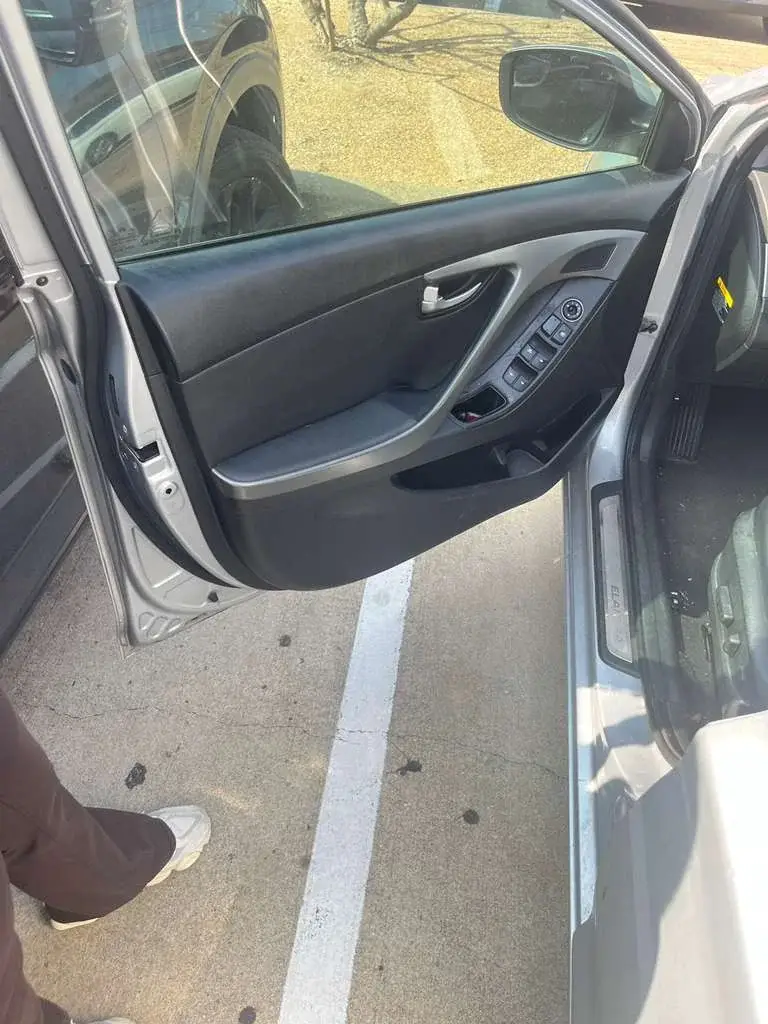
A broken key fragment can get pushed deeper or damage the lock. Stop turning and avoid glue, magnets, prying tools, and spare keys. Secure the car and arrange key extraction help.
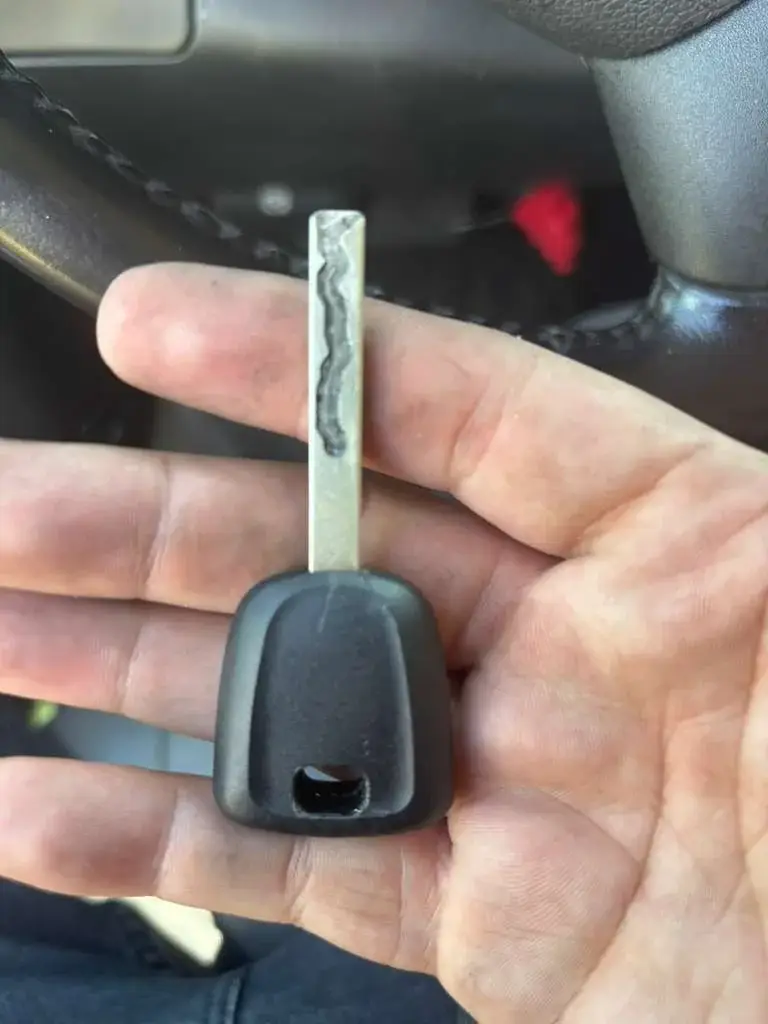
Lost your only car key? A mobile locksmith may be able to make and program a replacement once they confirm your vehicle details and authorization.