Locksmith Tips
Tweezers, Glue, Magnets, What Actually Works for a Broken Key in a Lock
If you have a broken key in lock, tweezers work only in a small number
Stuck in a Car lockout In Houston Mobile Locksmith offers fast damage free car door unlocks 24 7 with upfront prices and rapid arrival across the city
Car lockout service in Houston helps you regain access when your keys are inside your locked vehicle or your entry system stops responding. Mobile Locksmith provides mobile car door unlocking assistance in Houston, TX. Call with your location and vehicle information so we can discuss your situation and the next steps.
A locked car can interrupt a workday, grocery run, or trip home. You may see your keys through the window, yet still have no safe way to reach them.
Our car locksmith assistance focuses on understanding the problem, checking the vehicle, and using an entry method suited to its locks. Call (281) 528-1703 to request help.
Our car lockout service focuses on opening a locked vehicle when you cannot access it through the normal entry method. The approach depends on the vehicle, lock condition, and location of the keys.
You may need help with keys left on a seat, a fob locked in the cabin, or a door that will not respond. Some situations involve a trunk, a weak vehicle battery, or a mechanical lock problem.
Door unlocking does not always solve a missing-key or ignition issue. Tell us what happened before the lockout so we can discuss the right next step.

A child, vulnerable person, or pet trapped inside a vehicle needs an emergency response, not a routine locksmith service request. Call 911 immediately if someone is trapped or may be in danger.
Houston heat can make a locked vehicle unsafe quickly. Do not assume shade, a cracked window, or a running engine makes the situation safe. Review NHTSA vehicle heatstroke safety guidance for more information.
Follow the emergency dispatcher’s instructions and stay near the vehicle if you can do so safely. Tell the dispatcher whether the person or animal is responsive and whether the engine is running.
Are you locked out beside moving traffic? Move away from the roadway and avoid standing between vehicles while you call for help.
A few simple checks may reveal a working entry option without putting your vehicle at risk. Stop if a handle, key, or lock resists normal use.
Look through the windows to confirm where the keys are. Then check the following without forcing anything.
Do not repeatedly pull a handle or twist a stuck key harder.
A simple access problem can become a broken-key problem, which is a much less useful plot twist.
Car lockouts often happen during an ordinary distraction or an unexpected change in how the vehicle responds. Knowing the cause helps us choose a sensible approach.
You might set your keys down while loading groceries, securing a child seat, or reaching for something in the back. Automatic locking behavior can also vary between vehicles and settings.
A weak fob battery may prevent remote entry, even when the key still has a usable backup blade. A weak vehicle battery can also affect power locks or electronic access.
Did the door stop responding before you left the keys inside? Mention that detail, since it may point to a lock or electrical issue rather than an accidental lockout alone.
Your location, vehicle information, and key status help us assess the request before a visit. Clear information also reduces confusion in large parking lots or garages.
For lockout help in Houston, call (281) 528-1703 with the following information ready.
If you do not know the model year, say so rather than guessing. A clear description is still useful, and we can ask follow-up questions.
A precise parking location helps our car locksmith find your vehicle without unnecessary searching. A street address alone may not identify the correct entrance or parking area.
At a shopping center, share the nearest store entrance and parking row. At an apartment property, provide the building number and explain any visitor access instructions.
For a parking garage, identify the floor, section, and vehicle height restrictions if posted. If you are near the Texas Medical Center or another large campus, name the garage rather than only the destination building.
An I-10 or I-45 frontage road also needs a clear direction and nearby cross street. Never walk into traffic to read a sign or confirm an address.
Our lockout visit begins with a check of the vehicle and your access situation before entry work begins. We need to understand both the lockout and any existing problems.
Tell us about loose trim, cracked glass, or a door that already sticks. That information helps separate an existing problem from the current lockout.
Once the door opens, keep your keys in your hand or pocket. Check normal lock operation before closing the vehicle again.
Different vehicles need different entry approaches because their locks, windows, and security systems are not identical. The same tool or technique is not right for every door.
A vehicle with frameless glass needs different handling from a truck with a framed window. Mechanical linkages, electronic locks, and theft-deterrent features also affect access.
Prior bodywork or collision damage can change how a door fits. Aftermarket alarms or replacement locks may create additional limits.
We consider these factors before choosing an approach. Our aim is to avoid damage, but no responsible service description should promise that every vehicle presents the same conditions.
Trunk lockouts need a separate assessment because opening a passenger door may not provide access to the trunk. Some vehicles restrict interior trunk controls when the key is not detected.
Let us know whether the vehicle is a sedan, hatchback, SUV, or another body style. Also mention whether the rear seats normally fold from inside the cabin.
Do not pry at the trunk lid or pull interior panels loose. Weather seals, wiring, and latch parts can be damaged by improvised attempts.
If groceries or luggage are inside, tell us where the keys were last seen. We can discuss the access limits before treating the situation like a standard door unlock.
An unresponsive key fob does not automatically mean the door lock has failed. The issue may involve the fob battery, vehicle battery, or a backup entry procedure.
Some fobs contain a hidden mechanical key, while some door locks sit behind a removable cover. Check the manufacturer’s instructions before trying to remove any cover.
Do the fob buttons work only occasionally, or has the vehicle shown other electrical symptoms? Mention those observations when you call.
Car door unlocking restores access, but it does not necessarily correct an electrical fault with electronic entry. After entry, the vehicle may need a separate battery check or other appropriate service.
A missing key or a key that will not turn may require more than door unlocking. Opening the cabin does not provide a replacement key or make the vehicle ready to drive.
If every key is missing, explain that before requesting an unlock. The next steps depend on the vehicle and whether a usable spare exists.
If your key is stuck in the door, avoid pliers and repeated twisting. A worn or damaged key can break under added force.
Tell us whether the key worked recently and whether another key operates the lock. We can discuss whether the situation fits an entry service or needs a different type of locksmith work.
The time needed for car lockout assistance depends on travel conditions, vehicle access, and the lockout itself. Call for current availability and an arrival estimate based on your location.
Houston traffic, weather, garage entrances, and property access can affect travel. A vehicle parked tightly against a wall may also limit the usable door.
During the visit, lock condition and vehicle security features influence the work. A damaged lock or an earlier forced-entry attempt may require additional assessment.
Be cautious about expecting every car to open within the same short window. Accurate information is more useful than a fixed promise that ignores the vehicle sitting in front of us.
Improvised entry can damage a door before it releases the lock. Wire hangers, screwdrivers, and household wedges may contact parts you cannot see.
Door cavities can contain wiring, lock components, and safety equipment. Prying near glass or seals can also create problems that remain after the keys are recovered.
If you already tried something, tell our car locksmith what you used and where. There is no need for embarrassment. The information simply helps us inspect the right area.
You can prepare for locksmith assistance by staying safe, keeping your phone accessible, and gathering useful vehicle information. There is no need to stand beside the door throughout the wait.
If conditions allow, choose a nearby public place with shade or shelter. Keep the vehicle’s location clear and stay reachable for access questions.
During heavy rain or lightning, prioritize shelter over watching the parking lot. You can describe where you are and coordinate a safe meeting point.
We ask about authorized access because vehicle unlocking should only help someone permitted to enter the vehicle. Be ready to explain your connection to the car.
A driver’s license, registration, rental agreement, or other relevant documentation may help establish that connection. The appropriate information depends on the situation.
If your documents are inside, say so during the call. We can discuss how access can be checked without pretending the locked glove box is already open.
For borrowed, rental, or work vehicles, contact the owner or fleet contact when practical. Their instructions may affect how you should proceed.
After entry, check that you have the keys and that the door works normally before closing it again. This small pause can prevent an immediate repeat lockout.
Report any sticking, unusual movement, or continued lock trouble. An entry service may resolve the lockout while leaving an older mechanical or electrical issue to address.
A consistent key routine reduces the chance of locking yourself out again. Pick a habit you can follow even when you are distracted.
Before closing the door, touch the pocket or bag compartment holding your keys. Keep the fob with you while loading the trunk rather than setting it beside your bags.
Store a spare key with a trusted person who can reach you when needed. Avoid hiding a key in an obvious exterior location on the vehicle.
If remote unlocking has become unreliable, address it before the next busy day. A fob that works only after several button presses is asking for attention, not encouragement.
Mobile Locksmith helps Houston drivers take the next step when a locked vehicle blocks their plans. Tell us where you are, what you drive, and what happened.
We will discuss the access problem, relevant vehicle details, and current service availability. If the situation involves a missing key or another issue, explain it so the request stays clear.
Call (281) 528-1703 or contact us to request car lockout assistance in Houston, Texas. Keep your phone nearby and choose a safe place while you arrange help.
A car lockout happens when you cannot access your vehicle, often because the keys are inside, lost, or not working.
Mobile Locksmith provides car lockout services. Contact them to discuss your situation.
Stay in a safe place and contact a locksmith for assistance rather than attempting to force entry.
Yes, you can contact Mobile Locksmith to discuss assistance with accessing your vehicle.
You may be asked for identification and proof of ownership or authorization before service begins.
Yes, keyless entry vehicles can experience lockouts due to misplaced fobs, battery issues, or other problems.
Provide your location, basic vehicle information, and a brief description of the lockout.
Timing varies based on availability, location, and the circumstances of the lockout.
If a child or pet is at risk, contact emergency services immediately rather than waiting for locksmith assistance.
Check that you have your keys before locking the vehicle and consider keeping a spare in a secure, accessible place.
If you have a broken key in lock, tweezers work only in a small number
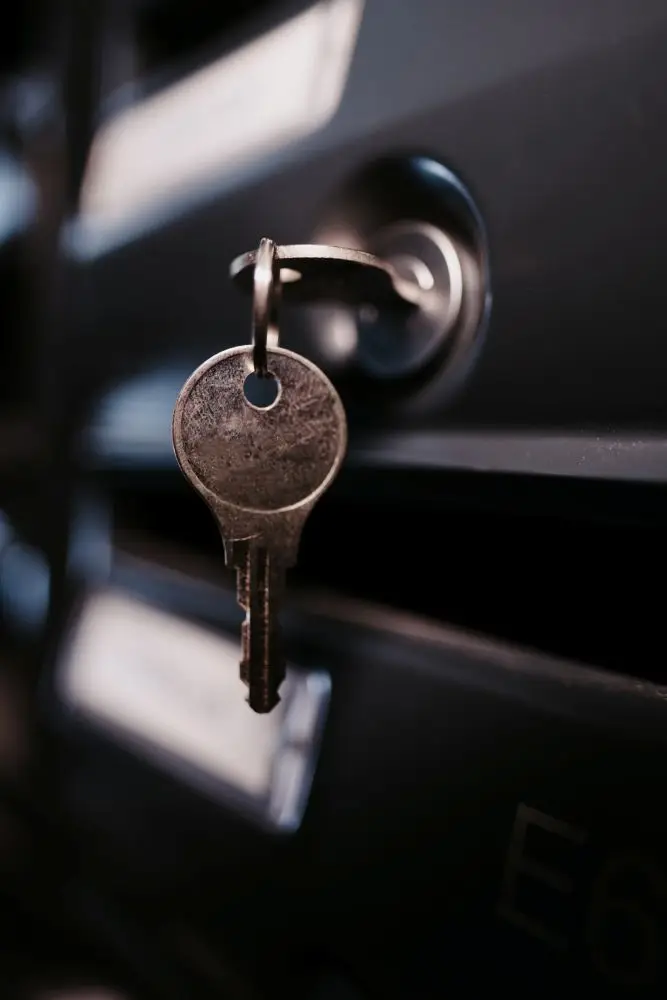
If your key won’t turn after the car sat all night, the cause is often
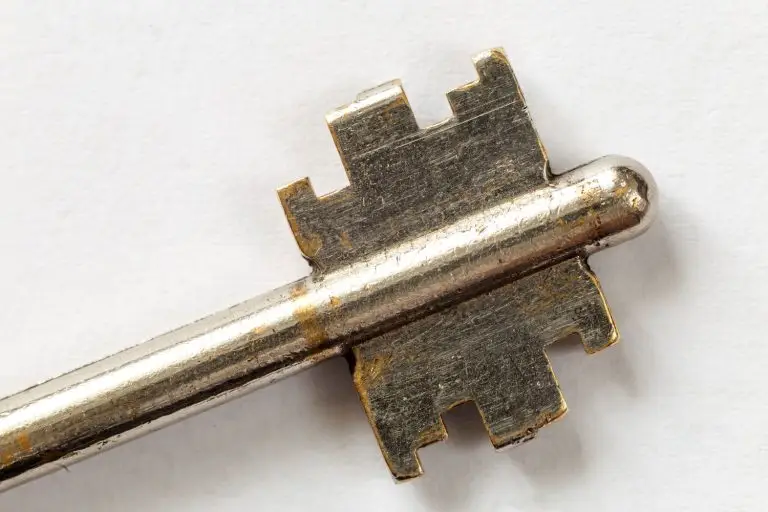
Keys break because they wear down little by little, get cut the wrong way, or