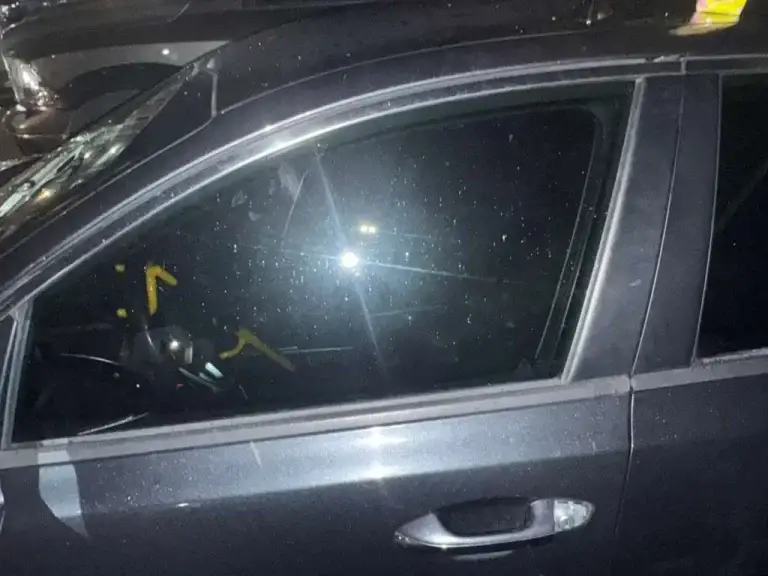
Automotive Locksmith
Key Fob Works Sometimes? When Key Fob Programming May Help
An unreliable key fob may point to a weak battery, damage, signal trouble, or lost pairing. Use these checks before arranging key fob programming.
Need Commercial Lock installation In Houston Mobile Locksmith delivers same day business lock upgrades master key and access control installs call now
Commercial lock installation in Houston involves fitting business doors with hardware that controls entry and supports safe exit. Mobile Locksmith helps Houston, TX businesses choose suitable locks, check door conditions, and plan installation around daily operations. We focus on practical access needs for employees, managers, tenants, and visitors.
Commercial lock installation starts with checking how the entire opening works. A strong lock cannot solve a sagging door, a loose frame, or a latch that misses its strike.
Our commercial locksmith review considers the door material, existing hardware, traffic, and how people enter and leave. These details help determine whether the opening needs a cylindrical lock, mortise lock, exit hardware, or another compatible option.
Your daily routine matters just as much as the hardware. Does the door stay locked during business hours? Do delivery drivers need access without entering employee-only rooms?
We also discuss who will manage access after installation.
That helps prevent a new lock from becoming another key nobody can identify.

A lock should be reviewed when it becomes unreliable or no longer matches your business access needs. Waiting until the key stops turning can interrupt opening hours, deliveries, and closing routines.
Watch for a lever that droops, a latch that sticks, or a cylinder that moves inside the door. These symptoms can come from worn components, loose fasteners, or alignment problems that may need commercial lock repair.
Changes within the business can also justify new hardware. A new tenant, revised floor plan, or growing staff may need a different approach to access.
Is your closing routine built around a stubborn door? That is worth addressing before it becomes a nightly wrestling match.
Replacing a lock changes the hardware, while rekeying changes which key operates a compatible existing cylinder. The right choice depends on the lock’s condition and what you want to change.
If a lock operates properly but former employees still have keys, rekeying may address the access concern. If the mechanism is worn, damaged, or unsuitable for the door, replacement may make more sense.
New installation can also be useful when a room needs a different lock function. An office door, supply room, and public entrance may each need different operating features.
We can discuss whether a new lock is necessary rather than treating every key problem as a hardware replacement. Adding another lock without checking the opening can create new problems instead of solving the original one.
The best lock type depends on the opening, traffic, and required operation. Matching those needs helps avoid hardware that fits physically but works poorly for the business.
Commercial cylindrical locks are common on office and interior doors. Their lever operation and available functions make them useful for many employee spaces.
Mortise locks fit into a pocket within the door and combine several components in one body. They require suitable door preparation and careful compatibility checks.
Other options may include the following, depending on the opening.
Hardware appearance also matters, but function comes first. Matching finishes will not help if employees cannot operate the door correctly.
We explain how the proposed lock behaves from both sides. That includes what happens when the door closes, when it is locked, and when someone needs to leave.
A lock works properly only when the door, hinges, closer, and strike work together. We check those parts before deciding how new hardware should fit.
Steel, wood, aluminum, and glass entry systems have different mounting needs. Existing holes, door thickness, frame shape, and previous modifications can limit replacement options.
A closer that shuts too weakly may leave the latch unengaged. Too much closing force can make a door difficult to use and put stress on hardware.
We explain any door condition that could prevent the new lock from working correctly. Some openings may need door, frame, or related work before installation proceeds.
A master key system allows selected keys to operate defined groups of compatible locks. It can help managers access several areas while limiting other keys to specific rooms.
The plan should follow actual job duties rather than convenience alone. Giving everyone broad access defeats the purpose of separating public, employee, and restricted spaces.
Master keying does not replace key records or careful issuance. A lost key with broad access may require changes across several cylinders.
Commercial lock installation in Houston should account for future access changes, not just today’s staff list. We can discuss compatible hardware and a clear key structure before work begins.
Keypads and access control systems can reduce reliance on shared physical keys. Their usefulness depends on compatible hardware and someone taking responsibility for access management.
A standalone keypad may suit a room with a small group of authorized users. A connected system may offer individual credentials and access records, depending on its features.
Not every existing door can accept every electronic lock. Door construction, power needs, and exit operation must be reviewed together.
We discuss the requested setup and any related work it may require. A keypad is useful, but it cannot fix a door that refuses to close.
New locks must support appropriate exit operation for the opening. Security changes should not leave occupants struggling to get out.
Public entrances, employee exits, and fire-rated doors may have specific hardware requirements. The right arrangement depends on the property, occupancy, and applicable rules, including exit route requirements.
Adding a deadbolt or changing an exit device without reviewing the door can create a safety concern. Modifying a fire-rated assembly can also affect its intended function.
We keep exit operation in the discussion from the beginning. If an opening needs further review, that should happen before incompatible hardware is installed.
Our installation process connects the hardware choice to how your business operates. We discuss the doors, users, and current problems before moving into installation details.
A typical visit follows these steps.
Testing should include the door closing normally, not just the lock turning while the door stands open. That catches problems a quick key check can miss.
We also discuss any remaining issues outside the agreed installation work. You should know if a closer, frame, or related component still needs attention.
Installation timing depends on the number of doors, hardware availability, and the condition of each opening. A compatible replacement is generally less involved than work requiring new preparation or wiring.
Hidden damage, missing components, or previous modifications can affect the schedule. Access restrictions and building approval requirements can also slow the work.
Need work around customer hours? Tell us when you call so we can discuss scheduling options.
For urgent requests, contact Mobile Locksmith to confirm current availability. We will discuss the work needed rather than promise a completion time before reviewing the job.
Houston heat, humidity, and rain can affect door operation and exposed hardware. Weather seals, moisture, and building movement may change how a latch meets its strike.
An exterior door may behave differently during wet weather than it does on a dry afternoon. Tell us if the problem follows a pattern, including certain times of day.
Do not assume every weather-related problem requires a different lock. The cause may involve the frame, hinges, closer, or building conditions.
We consider those observations during the door review when assessing lock repair needs. Your everyday experience can help point us to a problem that is not present during the visit.
Commercial spaces benefit from door-by-door planning rather than one lock choice everywhere. A customer entrance and a records room do not serve the same purpose.
Retail stores often need dependable opening and closing routines. Back doors also need attention because deliveries can leave them propped open or incompletely latched.
Office suites may need shared entry with separate access for private rooms. Warehouses may have employee entrances exposed to heavier traffic and outdoor conditions.
Restaurants and service businesses should also consider staff turnover and vendor access. Who still has a key after a role changes?
For multi-tenant properties, clarify which doors belong to the tenant and which are managed by the property owner. Shared entrances may require coordination before any hardware changes.
We use these differences to guide the conversation. The goal is a setup employees can follow without relying on informal exceptions.
A little preparation helps us review the right doors and understand your priorities. Have an authorized decision-maker present or reachable during the visit.
Photos can help with an early discussion of existing hardware. They do not replace an on-site inspection, especially when internal components or door preparation are unknown.
Avoid disassembling the lock before the visit unless instructed. Keeping the existing hardware intact makes it easier to review the problem and identify compatible options.
Regular checks can catch loose hardware and changing alignment before the door stops working. Include the lock in your normal opening or closing inspection.
Avoid using random oils or cleaners inside the cylinder. The wrong product can attract dirt or affect internal parts.
If a key becomes difficult to turn, stop forcing it. A broken key adds another problem without fixing the first.
Report changes early, especially on exit doors, so lock repair concerns can be reviewed. A lock should not require a special push, pull, or whispered encouragement to work.
Mobile Locksmith helps you connect business access needs with suitable commercial door hardware. We focus the discussion on door condition, daily use, key control, and safe operation.
For commercial lock installation in Houston, have your property address, door count, and main concerns ready. Tell us whether you need replacement locks, new access arrangements, or help choosing compatible hardware.
Call (281) 528-1703 or visit our contact page to discuss your Houston, TX business. We can review your request, confirm availability, and explain the next steps.
It involves fitting locks on doors or entry points used by businesses and commercial properties.
Mobile Locksmith provides commercial lock installation for business properties.
Businesses may consider new locks when moving premises, renovating, or updating access arrangements.
General considerations include door compatibility, daily use, access needs, and applicable building requirements.
Installation may be possible on existing doors, depending on their condition and compatibility with the selected locks.
Commercial locks are generally intended for business settings, where usage and access requirements may differ from those in homes.
New locks can be part of updating how a business manages access for employees and other authorized people.
Identify the doors involved, outline access needs, and coordinate entry to the relevant areas.
Some access adjustments may be needed during installation, so scheduling should take business activity into account.
Maintenance needs vary by lock type and usage. Follow the manufacturer’s general care guidance.
An unreliable key fob may point to a weak battery, damage, signal trouble, or lost pairing. Use these checks before arranging key fob programming.
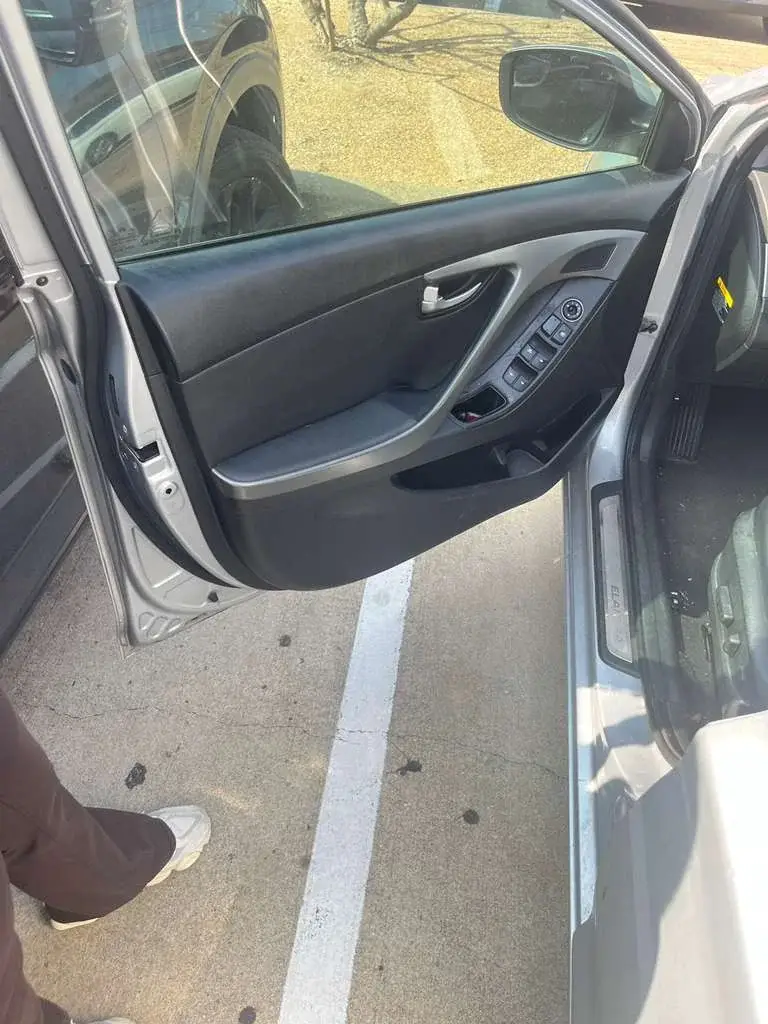
A broken key fragment can get pushed deeper or damage the lock. Stop turning and avoid glue, magnets, prying tools, and spare keys. Secure the car and arrange key extraction help.
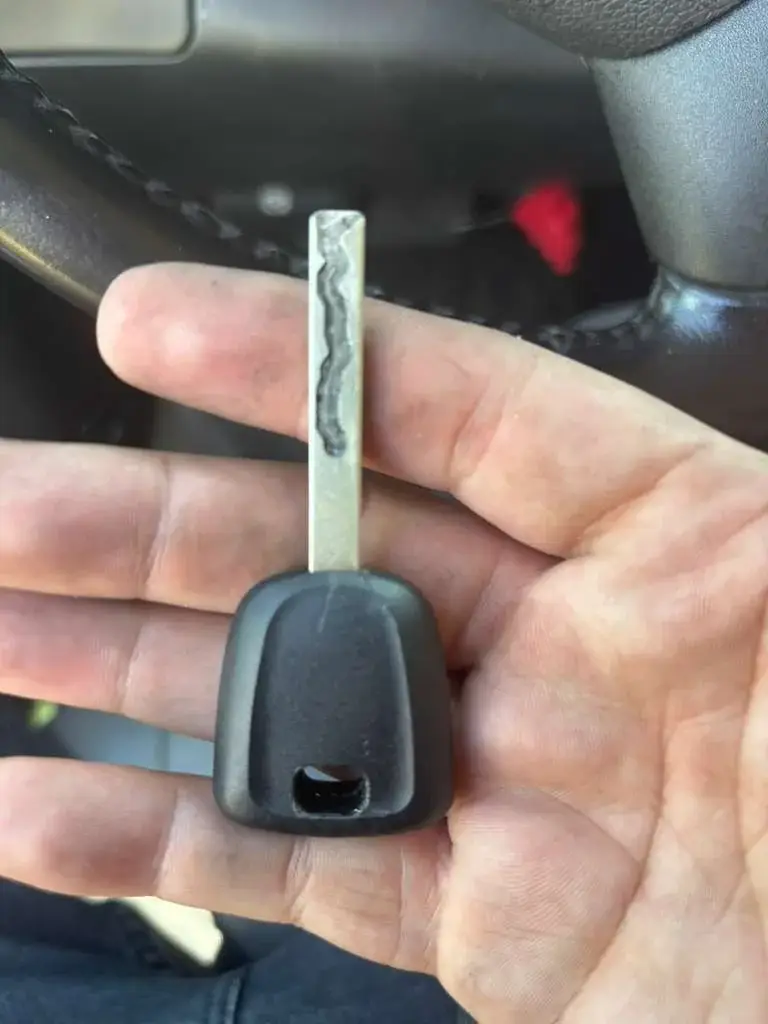
Lost your only car key? A mobile locksmith may be able to make and program a replacement once they confirm your vehicle details and authorization.