Automotive Locksmith
Key Fob Works Sometimes? When Key Fob Programming May Help
An unreliable key fob may point to a weak battery, damage, signal trouble, or lost pairing. Use these checks before arranging key fob programming.
Need Commercial Lock repair In Houston Mobile Locksmith secures offices with fast expert repair rekey and upgrades for doors safes and access control systems
Commercial lock repair in Houston addresses worn locks, sticking keys, loose handles, and doors that will not secure. At Mobile Locksmith, we help Houston, TX, businesses identify the cause, repair suitable hardware, and assess whether rekeying or replacement is needed so staff can control access without fighting the door.
A business lock should work without a special trick, a hard shove, or instructions taped beside the handle. If employees have learned to “lift, jiggle, then turn,” the door needs attention.
We focus on the full opening, not just the keyhole. A lock problem may involve the cylinder, latch, strike plate, hinges, or door closer. Finding the source helps avoid replacing a working lock while leaving the actual problem untouched.
Call (281) 528-1703 or visit Mobile Locksmith to discuss your commercial door lock problem.
Commercial lock repair corrects mechanical problems that keep business doors from locking, latching, or opening properly. The work depends on the lock type, its condition, and how the door is used.
An office entrance may need a cylinder adjustment, while a busy stockroom door may have worn lever hardware. A rear service door might have a good lock but a strike opening that no longer lines up.
Our inspection helps separate these issues before recommending work. Depending on the findings, repair may involve tightening loose mounting screws, correcting alignment, servicing a cylinder, or replacing a damaged component.
The goal is practical. Authorized users should enter normally, and the door should secure when closed. Exit operation also needs attention, particularly on doors used by employees, visitors, and delivery crews.
Changes in how a lock feels often show up before the door becomes unusable. Catching those changes early gives you a chance to address the problem before opening or closing time.
Does the key work only after several attempts? Does the lever droop after someone releases it? Those symptoms deserve a closer look.

Do not assume a door is secure because the lock made a clicking sound. Confirm that the latch or bolt actually holds.
A door that shifts or closes poorly can prevent a sound lock from working. Replacing the cylinder alone will not correct sagging hinges or a misaligned frame.
Houston heat, humidity, frequent use, and building movement can affect how a door meets its frame. On exterior openings, moisture and wind-driven dirt can also contribute to wear.
A useful clue is whether the key turns normally while the door is open. If it does, but binds when the door is closed, pressure or alignment may be involved.
We check the relationship between the door, latch, bolt, and strike before deciding what needs repair. Where the problem extends beyond locksmith work, we explain what may require attention from a door, frame, or building maintenance provider.
The repair approach depends on the hardware installed and the job that hardware performs. Commercial doors do not all use the same lock body, cylinder, or latch arrangement.
We assess the existing opening before recommending changes. Matching the hardware matters for fit, daily use, and the door’s exit function.
Hardware appearance does not tell the whole story. Two similar handles may have different internal mechanisms.
Photos and model information can help prepare for the visit.
Storefront lock repair checks both the locking mechanism and the alignment of the glass-and-aluminum door. Narrow frames leave less room for hardware, making correct fit especially important.
If a storefront deadbolt scrapes against its strike, forcing the key can damage the key or cylinder. A door that drags across the threshold may also prevent the bolt from lining up.
We look at the lock, strike, mounting points, and visible door movement. The condition of the closer and pivots may also explain why the lock has become difficult to use.
Is your entrance easy to lock in the morning but stubborn at closing time? Tell us when the problem occurs. Changes during the day can help point to pressure, movement, or changing door alignment.
Interior business locks should match how each room is used and who needs access. A storage closet, private office, and shared corridor may need different locking functions.
A broken interior lock can leave records, supplies, or equipment exposed. It can also trap a key or keep staff from reaching a room they need.
We inspect the lever, cylinder, latch, and mounting hardware, then discuss the intended use before recommending repair. If the existing lock function creates confusion, we can explain whether another suitable option should be considered.
Tell us if employees routinely prop the door open or leave a key in the lock. These habits may point to a hardware problem, an access problem, or both. The door should support the workday, not become another task on the checklist.
Exit hardware needs to release correctly from inside while providing the intended control from outside. A sticking push bar or incomplete latch deserves prompt attention.
A door may close without fully latching if the strike, closer, or exit device is out of adjustment. External trim can also wear, leaving a handle that turns without operating the mechanism.
Never chain an occupied exit shut or add hardware that blocks normal exit use. Avoid improvised fixes that hold a latch in the wrong position.
We assess the mechanical issue and explain any limits to the repair. Questions about required exit arrangements, fire-rated openings, or permitted hardware changes may need review by the building’s responsible authority or a qualified fire-door provider.
Rekeying changes which key operates a compatible lock, while repair corrects a physical fault. A door may need either service or both.
If a key is missing but the lock works smoothly, rekeying may address the access concern. If the lever is broken or the latch jams, changing the key combination will not fix that damage.
During commercial lock repair in Houston, we also ask about lost keys, staff changes, and who currently has access. This helps keep a mechanical repair from leaving an unresolved key-control concern.
Before requesting matching keys across several doors, identify which openings should share access. Cylinders must be compatible, and some doors may need separate key control. We can discuss suitable options after checking the existing hardware.
Replacement may be the better choice when the lock body is damaged, worn beyond useful repair, or unsupported by available components. Repair is not always the right answer for every lock.
We explain the condition we find and whether a repair can address the actual fault. Repeated trouble after prior adjustments may indicate wear elsewhere in the mechanism.
A heavier lock does not automatically solve poor alignment. Any replacement should work with the door, frame, and intended use.
An access-control door can have a mechanical lock problem even when its reader accepts a credential. The reader, electric strike, latch, closer, and power system each play a different role.
If the reader responds but the door stays shut, pressure on the latch may be involved. If the door opens but will not secure afterward, alignment or latching may need attention.
Tell us whether the issue affects keys, cards, fobs, keypads, or every entry method. Also note whether the trouble began after a power interruption or system change.
We can assess the door hardware and discuss the scope before work begins. Wiring faults, programming changes, and managed-system settings may require coordination with your access-control provider. We do not recommend bypassing safety features to keep a troublesome door working.
Our repair process begins with understanding the symptom and checking the complete opening. We look for the cause before deciding which work makes sense.
This approach keeps the conversation clear. You should understand what was wrong, what changed, and what still needs attention.
The time needed for commercial lock repair varies with the fault and the hardware involved. A loose fitting is different from a damaged mortise lock or an access-controlled entrance.
Some work can be completed during the visit, while other jobs depend on compatible components or coordination with another provider. Concealed damage can also change the scope after inspection.
Let us know if the door is your only customer entrance or a busy delivery opening. That helps us discuss how the work may affect traffic through the building.
A binding key or jammed handle should not be forced. Extra pressure can break a key, damage internal components, or leave the door stuck.
If a key begins to bend, stop turning it. Do not use pliers for added grip or hammer a bolt into position.
If there are signs of forced entry, address personal safety first. Contact the appropriate authorities when needed, and avoid disturbing visible damage before it has been documented.
Having access details and a clear work area helps the visit proceed with fewer interruptions. You do not need to take the lock apart before we arrive.
Choose a contact who can explain the issue and approve work. For leased space, check whether the property manager must approve changes to exterior locks or shared access.
Please do not post keys or access codes in public messages. Share sensitive access information only through an appropriate private channel.
Simple checks can reveal wear before it disrupts business access. Staff do not need to dismantle hardware to notice a change.
Choose a regular time to check that each door closes, latches, and secures without force. Pay special attention to busy entrances, rear delivery doors, and doors exposed to rain.
Houston, Texas, businesses often have doors with very different use patterns. A quiet office door and a frequently used service entrance should not receive attention only when both stop working.
Mobile Locksmith helps businesses address lock problems with a practical inspection and clear next steps. Tell us what the door is doing, whether it currently secures, and who can authorize the work.
For commercial lock repair in Houston, call (281) 528-1703 or contact us. Share your Houston, TX, location and any photos that show the lock and door condition.
Whether the issue is a sticking storefront key, a loose office lever, or a rear door that will not latch, start with the symptom. We will help you determine the next step without asking your staff to become full-time door wranglers.
Commercial lock repair addresses problems with locks used on business properties. Mobile Locksmith provides this service.
Difficulty turning a key, a loose lock, or trouble locking a door may indicate a need for repair.
Repair may be an option, depending on the lock’s condition and the nature of the problem.
Offices, shops, warehouses, and other commercial properties may need lock repairs as issues arise.
Wear, damage, and door alignment issues can affect how a lock functions.
Avoid forcing the key or lock, and contact a locksmith to discuss the issue.
No. A sticking lock may be related to wear, the key, or the door’s alignment.
No. Repair addresses how a lock functions, while rekeying changes which key operates it.
A general description of the lock problem and the affected door can help explain your needs.
Mobile Locksmith provides commercial lock repair. Contact the business to discuss your lock issue and service availability.
An unreliable key fob may point to a weak battery, damage, signal trouble, or lost pairing. Use these checks before arranging key fob programming.
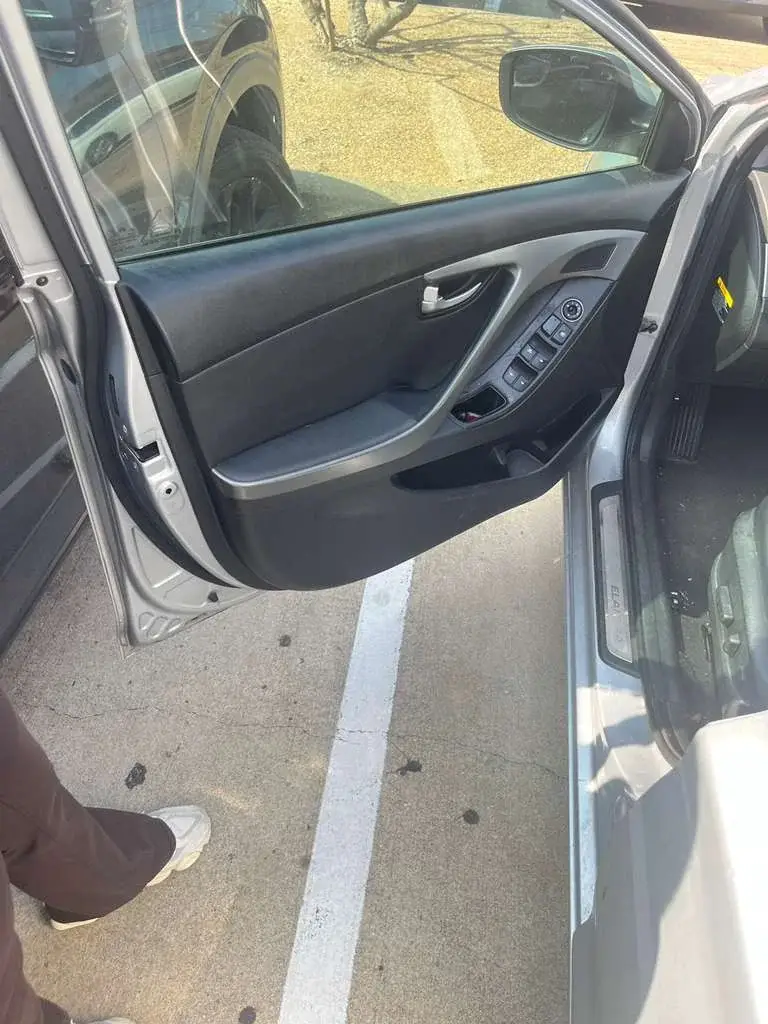
A broken key fragment can get pushed deeper or damage the lock. Stop turning and avoid glue, magnets, prying tools, and spare keys. Secure the car and arrange key extraction help.
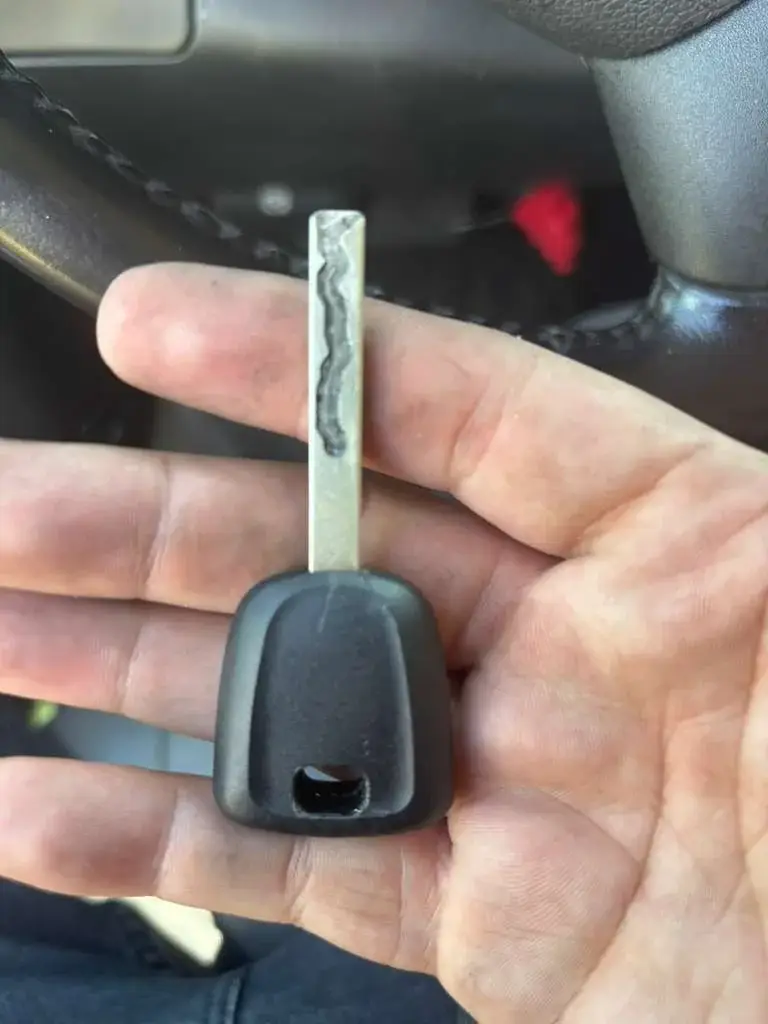
Lost your only car key? A mobile locksmith may be able to make and program a replacement once they confirm your vehicle details and authorization.