Automotive Locksmith
Key Fob Works Sometimes? When Key Fob Programming May Help
An unreliable key fob may point to a weak battery, damage, signal trouble, or lost pairing. Use these checks before arranging key fob programming.
Commercial Lock replacement In Houston by Mobile Locksmith for fast same day business lock service high security upgrades and master key solutions
Commercial lock replacement in Houston replaces worn, damaged, or unsuitable business locks with hardware that fits the door and its use. Mobile Locksmith helps Houston, TX businesses assess lock problems, choose suitable replacement options, and plan access changes for staff, managers, tenants, and vendors.
A business lock needs to do more than turn smoothly. It must secure the opening, handle regular use, and work with the rest of the door hardware. A replacement should also fit how people enter and leave your building.
Are you replacing a damaged lock, taking over a leased space, or changing employee access? Tell us what prompted the change so we can focus on the actual problem.
Call (281) 528-1703 or visit Mobile Locksmith to discuss your doors and service needs.
Commercial lock replacement involves removing an existing lock or lock component and installing a suitable replacement. The scope may cover a cylinder, a complete lockset, or several locks across a business property.
Not every opening needs the same approach. A storefront entrance, storage room, office door, and employee entrance can each have different hardware and access needs. We look at the door’s purpose before recommending a change.
The goal is a working door system, not just a new lock in an old opening.
If the frame or hinges need attention, that should be discussed before replacement begins.

A lock needs assessment when it becomes difficult to operate, shows damage, or no longer supports your access needs. Waiting until it stops working can disrupt opening, closing, and deliveries.
Does your staff have to lift the handle, pull hard on the door, or wiggle the key every morning? Those workarounds may point to worn hardware or poor alignment. The door should not require its own training manual.
Lost keys and uncertain key ownership also deserve attention. The lock may work perfectly while the access plan no longer does.
Replacement changes lock hardware, while rekeying changes which key operates a compatible existing cylinder. Choosing between them depends on hardware condition, key control, and the way the door is used.
Rekeying may be suitable after employee turnover or a lost key if the existing lock remains serviceable. Replacing sound hardware is not always necessary just to stop an old key from working.
Replacement may make more sense when the lock is damaged, worn, incompatible, or unsuitable for regular commercial use. It can also support a change to a different lock function or key system.
A clear assessment helps avoid replacing the wrong component. It also keeps a key-control problem from being mistaken for a mechanical failure.
A sticking lock may be caused by the door or frame rather than the lock itself. Replacing the cylinder alone will not correct a latch that misses its opening.
Loose hinges, door sag, frame movement, and worn strikes can affect operation. Houston weather and moisture exposure can also contribute to corrosion or changes in door fit, especially at exterior entrances.
A door closer deserves a check, too. If the door does not close fully, the latch may never engage, even with new hardware.
Tell us if the problem changes after rain or during certain hours. That pattern can help narrow down the cause during a lock repair assessment.
The right replacement lock must fit the door, match its function, and tolerate expected use. Appearance matters, but fit and operation come first.
Commercial doors may use cylindrical lever locks, mortise locks, narrow-stile hardware, or cylinders connected to exit devices. These systems are not interchangeable without checking their dimensions and mounting requirements.
For a glass storefront with a narrow metal frame, space can limit hardware choices. A rear service door may need a different arrangement because employees use it for deliveries and frequent entry.
Matching these details reduces unnecessary modifications during lock installation. It also helps preserve a usable opening instead of turning a lock change into an avoidable door project.
A commercial lock should support daily routines without encouraging unsafe shortcuts. Different rooms need different access rules, even within a small business.
An employee entrance may need controlled entry from outside while allowing appropriate exit from inside. A private office may need a different locking function from a shared supply room.
Who opens the building, who closes it, and who enters after hours? Those questions help determine the right hardware and key arrangement.
Commercial lock replacement is a useful time to correct confusing arrangements. A clear access plan is easier to manage than several mystery keys on a crowded ring.
High-security lock options can improve key control and resistance to certain forms of attack, but the full opening still matters. A stronger cylinder cannot correct a weak frame or a poorly secured strike.
Depending on compatibility and availability, options may include restricted key systems or cylinders with added resistance to manipulation. Ask how key duplication is controlled and what authorization future copies require.
The hardware should match the business’s actual exposure. A public storefront and a restricted records room may have different priorities.
We can discuss suitable choices after reviewing the existing setup. Product features should be clear before you decide.
A master key system can let selected keys open specific doors while allowing an authorized manager’s key to open several doors. The arrangement requires careful planning to keep access boundaries clear.
For businesses with multiple offices, storage rooms, or tenant spaces, separate keys can become difficult to track. A planned system can reduce that confusion without giving every employee access everywhere.
Not all existing cylinders can join the same system. Some may need replacement, and the plan should allow for expected changes.
Master keying also creates tradeoffs. Losing a key with broad access can affect several openings, so storage and reporting procedures matter.
Our replacement process begins with permission, inspection, and a review of the requested access change. We confirm the scope before removing hardware so everyone understands what the work involves.
The person requesting service should be authorized to approve changes at the property. For leased spaces, landlord or property manager approval may be needed.
Testing includes more than turning a key once. The door should close, latch, and operate correctly during repeated checks under normal use.
The time needed for replacement depends on the number of doors, hardware compatibility, and the condition of each opening. A straightforward cylinder change differs from replacing a damaged lockset on a misaligned door.
Commercial lock replacement in Houston may also require coordination with managers, tenants, delivery schedules, or building access rules. Sharing those details early helps us plan the visit.
If you need urgent help, call and describe the situation. Ask about current scheduling and whether same-day service is available rather than assuming a specific arrival window.
Lock changes must preserve appropriate exit operation and account for the opening’s safety requirements. An entrance can also serve as an emergency exit, which affects hardware choices.
Do not add a lock that could trap people inside or interfere with an exit device. Panic hardware, fire-rated openings, and access-controlled doors need careful review before modifications.
Exact requirements depend on the building and its use. Questions about compliance may require input from property management or the appropriate local authority.
After a break-in, follow law enforcement instructions before disturbing possible evidence. Then arrange for the damaged opening to be assessed.
A prepared work area and a clear contact person help the commercial locksmith visit move forward with fewer interruptions. You do not need to identify the exact lock model before calling.
Photos can help explain the setup. If requested, provide views of the door, lock, door edge, and frame without exposing sensitive access information.
Let staff know which entrance may be temporarily unavailable. Avoid sharing key codes or access credentials through public messages, and use the communication method agreed upon for sensitive details.
Houston businesses need lock plans that reflect their buildings, traffic, and operating hours. A retail entrance in a shopping center does not function like a warehouse service door.
Storefront doors may face frequent customer use and repeated closing cycles. Offices may focus on employee turnover, private rooms, and access after business hours.
Warehouses and service businesses may have delivery entrances exposed to moisture, dirt, and heavy use. Medical and professional offices may need controlled access to records or supply areas without disrupting staff movement.
For leased commercial spaces in Houston, Texas, ask who controls shared doors before changing them. A tenant’s interior office lock may fall under a different approval process from the main building entrance.
Are you moving into an existing business space? Review every authorized entry point, not just the front door, before deciding which keys and locks to change.
Routine checks and sensible key handling help preserve reliable operation after replacement. New hardware still needs attention if the door begins dragging or staff notice resistance.
Use only maintenance products appropriate for the installed hardware. Random sprays can leave residue or interfere with components, so ask for product-specific care guidance.
Avoid forcing a reluctant key or using it to pull the door shut. Small changes in operation are worth checking before they become a closing-time interruption.
Mobile Locksmith helps you plan commercial lock replacement in Houston around your doors, access needs, and operating schedule. Start with the problem you want to solve, whether that is damaged hardware, uncertain key ownership, or inconsistent locking.
Tell us how many doors are involved and whether any entrance currently fails to secure. Mention exit hardware, connected access systems, or property approval requirements during the call.
We can discuss what needs assessment, which details to gather, and the next available scheduling options. Clear information at the start helps keep the work focused on your business.
Call (281) 528-1703 or contact us to arrange commercial lock service in Houston, TX.
It involves replacing locks on business premises to address wear, access changes, or security needs.
Mobile Locksmith provides commercial lock replacement for businesses.
Replacement may be appropriate when locks are damaged, worn, or no longer suitable for the business.
Yes. Replacement changes the lock hardware, while rekeying changes which key operates an existing lock.
Missing keys are a reason to review access arrangements and consider replacement or rekeying.
Yes. A change of tenancy is a common occasion to review locks and update access.
Consider the door, how it is used, access needs, and applicable building requirements.
Not necessarily. The scope depends on the condition of the locks and the business’s access needs.
Work may temporarily affect access to certain doors, so scheduling should be discussed beforehand.
Identify the doors involved, confirm authorization for the work, and discuss access arrangements with the service provider.
An unreliable key fob may point to a weak battery, damage, signal trouble, or lost pairing. Use these checks before arranging key fob programming.
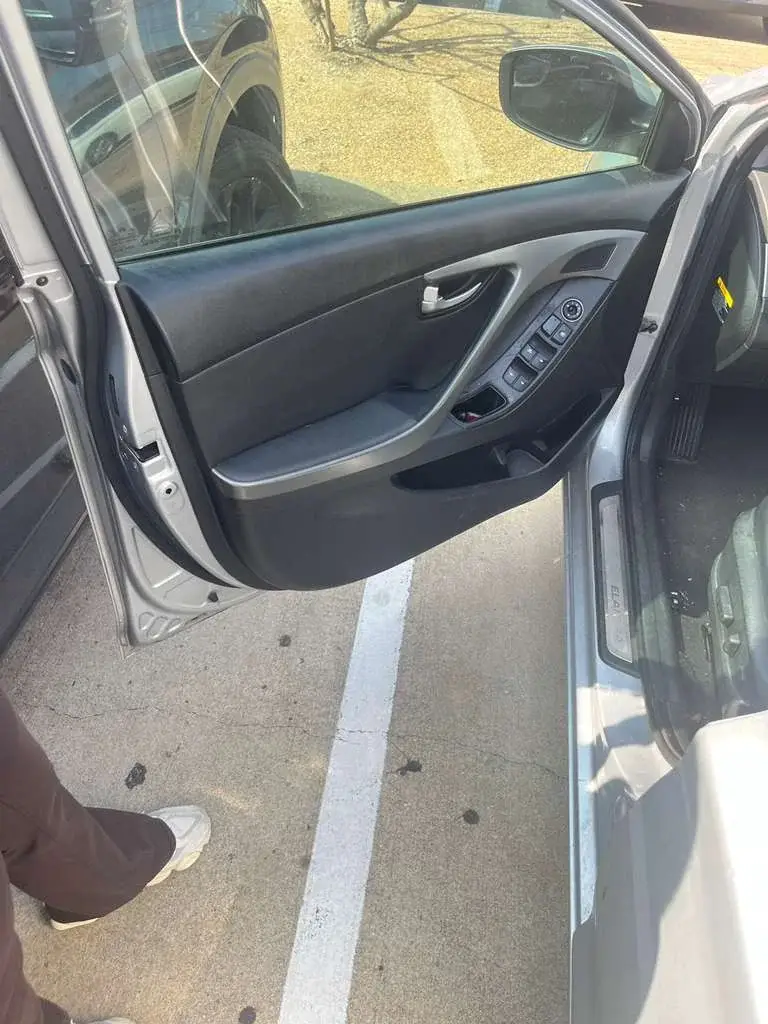
A broken key fragment can get pushed deeper or damage the lock. Stop turning and avoid glue, magnets, prying tools, and spare keys. Secure the car and arrange key extraction help.
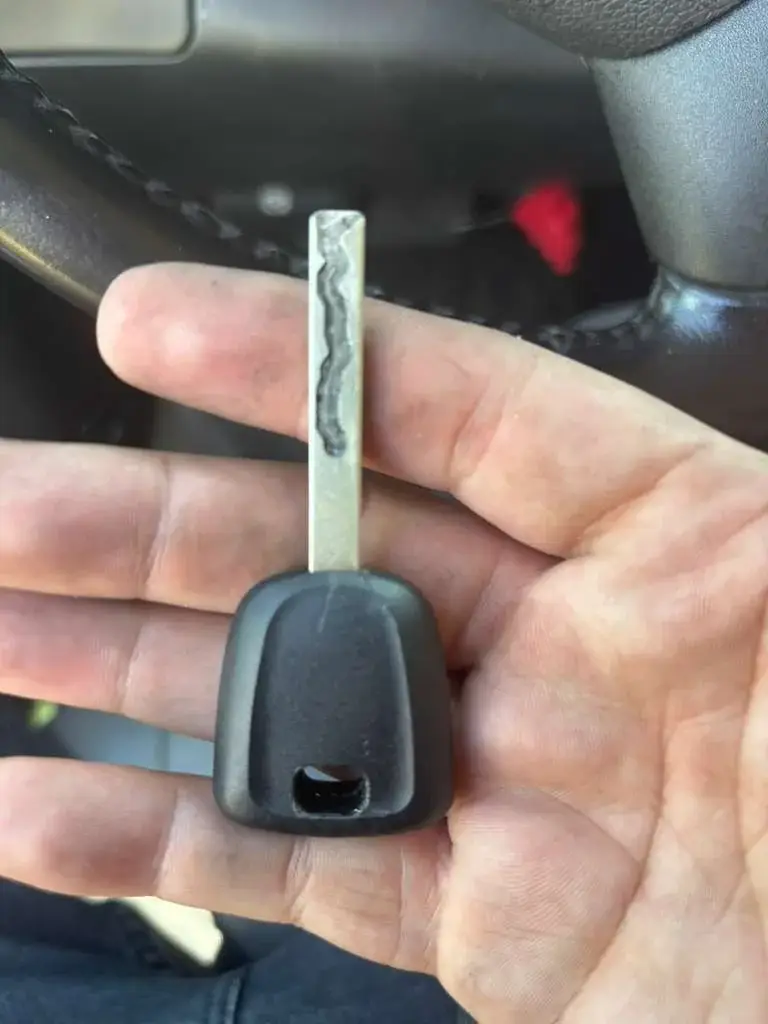
Lost your only car key? A mobile locksmith may be able to make and program a replacement once they confirm your vehicle details and authorization.