Houston mobile locksmith service | Open 24 hours
Open 24 hours

Emergency Locksmith in Houston, TX

Locked out and need Emergency Locksmith In Houston Fast 20 minute mobile response by Mobile Locksmith for home auto and business lockouts call now

Table of Contents

Emergency Locksmith in Houston, TX

Emergency Locksmith

Emergency Locksmith Help for Houston Homes, Vehicles, and Businesses

Emergency Locksmith in Houston helps restore access when keys are lost, locks stop working, or doors close behind you. Mobile Locksmith helps Houston, TX residents and businesses address urgent lock problems through mobile service. Call with your location and lock issue so we can discuss the next step.

Need Help? Call Mobile Locksmith near you

Get Safe Before You Focus on the Lock

Your safety comes before opening a door or fixing a lock. If someone is trapped, threatened, or exposed to dangerous heat, call 911 first.

Is a Child or Pet Locked Inside Your Vehicle

Houston heat can make that situation urgent, even when the weather does not feel unusually hot. Review vehicle heat safety guidance. Tell emergency responders what is happening and follow their instructions.

Routine Lockout Safety Steps

For a routine lockout, move to a safe, visible place while you call for emergency lock help. Stay clear of moving traffic, loading zones, and poorly lit areas.

  1. Check whether anyone inside needs immediate help.
  2. Move away from traffic or other hazards.
  3. Keep your phone with you and preserve its battery.
  4. Contact someone you trust if you feel unsafe.
  5. Call Mobile Locksmith with your exact location.
Avoid Unsafe Openings

Do not climb onto a roof, force a window, or crawl through an unsafe opening.

Safety Note

A locked door is frustrating, but an injury makes the problem much worse.

Mobile Locksmith TX Main Logo

We Help Identify the Right Emergency Locksmith Service

The right service depends on whether you need access, a working lock, or control over missing keys. Mobile Locksmith starts by asking what happened and what type of door or vehicle is involved.

Access, Damage, and Missing Keys

A door that closed with your keys inside presents a different problem from a lock damaged during a break-in. Lost keys also raise questions about who could use them later.

Common Reasons to Request Help

  1. House keys left inside a locked home.
  2. Vehicle keys locked in the cabin or trunk.
  3. A broken key stuck in a lock.
  4. A business entrance that will not open or secure.
  5. Missing keys that create a security concern.
  6. A deadbolt or latch that no longer moves correctly.

When you call for emergency locksmith service in Houston, describe the symptoms rather than guessing the repair. “The key turns, but the door stays locked” gives us useful information.

Need Help? Call us for Locksmith Services!

Home Lockouts Need a Careful Entry Plan

A home lockout calls for an entry method suited to the door, lock, and access permissions. The goal is to restore access without unnecessary damage.

Did the door lock behind you while you checked the mailbox? That quick trip can become a longer outing than planned. Before calling, check whether another authorized resident has a key or can meet you.

Tell us whether the locked entrance has a deadbolt, a knob lock, or an electronic keypad. Mention a security door, gate, or enclosed entry that could affect access.

  1. Have identification ready when possible.
  2. Explain whether your identification is locked inside.
  3. Tell us if you rent or own the property.
  4. Contact the property manager if approval may be needed for apartment locksmith service.
  5. Keep children and pets away from the work area.

Entry methods depend on the hardware and its condition. If a different approach becomes necessary, the work should be explained before it proceeds.

Vehicle Lockouts Depend on the Car and Key System

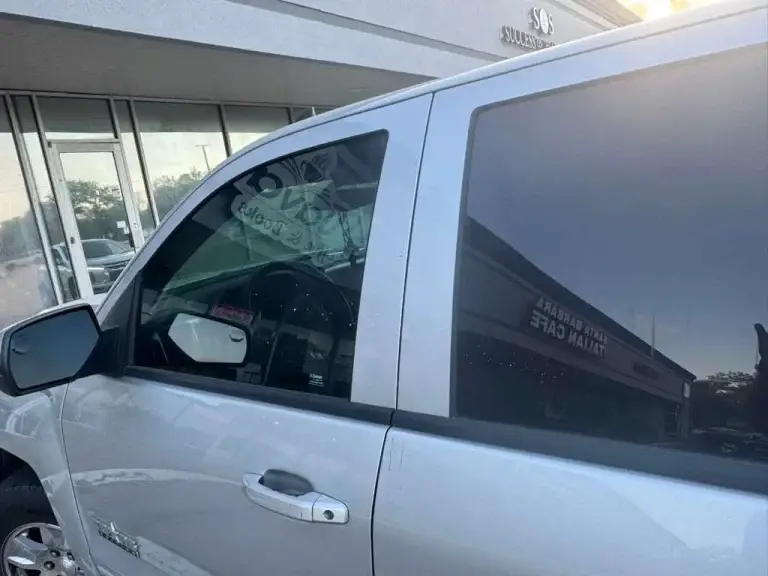
Vehicle lockout service must account for the car’s locking system and where the key is located. Give us the make, model, approximate model year, and exact parking location when you call.

Keys on the driver’s seat are not the same situation as keys inside a separate trunk. A lost key or a remote that stopped responding may require a different service from opening the door.

Avoid pushing wire, tools, or wedges into the door yourself. Improvised attempts can damage seals, trim, wiring, or glass.

  1. Check all doors without forcing them.
  2. Confirm whether the key is visible.
  3. Note whether the vehicle has a physical key or push-button ignition.
  4. Tell us if the engine is running.
  5. Ask whether your vehicle and key type can be serviced.

Not every vehicle uses the same equipment or procedure. Confirming those details first helps prevent confusion and identifies what assistance may be available.

Business Lock Problems Need Access and Security Considered Together

A business lock emergency requires a plan that protects the property while restoring authorized access. A locked storefront, stuck office door, or failed rear entrance can interrupt daily work.

Entrance Access and Work Approval

Are employees outside while customers are expected? Tell us which entrance is affected and whether another approved entrance remains usable. Mention delivery access, restricted rooms, or building rules that could affect the visit.

Prepare the Following for a Commercial Service Call

  1. The business address and suite number.
  2. The name of the person authorized to approve work.
  3. A description of the door and lock.
  4. Any property manager contact needed for permission.
  5. Information about recent damage or missing keys.

A door that opens but will not lock also needs attention. Keep valuable items away from the affected entrance and arrange responsible supervision until the property can be secured.

Broken Keys and Stuck Locks Need Less Force, Not More

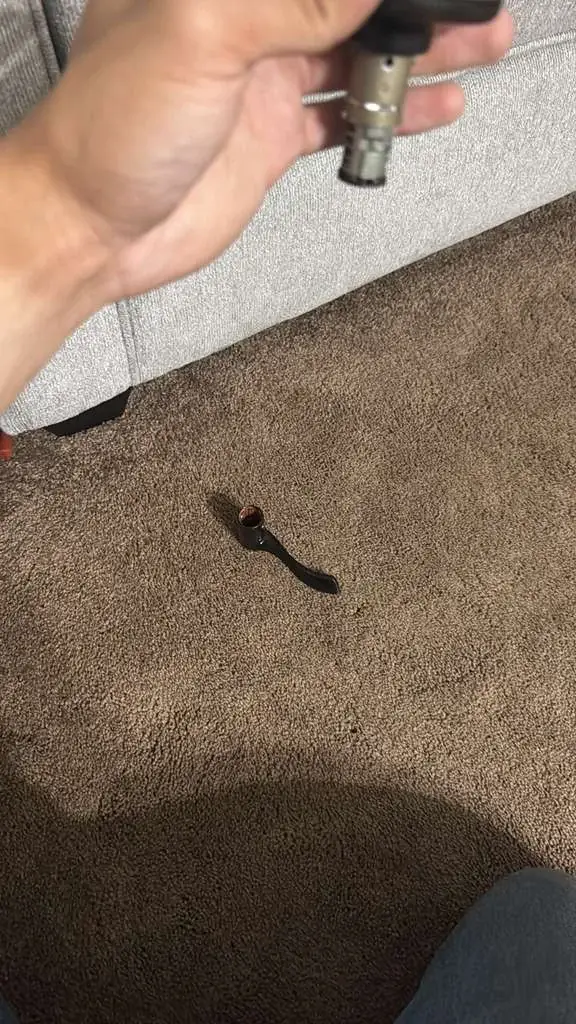
Stop turning the key if it bends, catches hard, or feels close to breaking. Extra pressure can snap the key or worsen an existing lock problem.

A key can break because it is worn, damaged, or working against a lock that does not move correctly. Door pressure can also make a working lock feel stuck.

If part of the key remains inside, leave it alone until it can be assessed. Do not push another key or tool into the opening.

  1. Keep any broken key pieces.
  2. Note whether the door is open or closed.
  3. Describe whether the key broke while entering or turning.
  4. Avoid glue or household oil inside the lock.
  5. Keep the door from closing if it is already open and safe to hold.

A broken-key removal may not resolve the cause. The lock and door should also be checked for lock repair needs before normal use resumes.

Lost Keys May Call for More Than Opening the Door

Lost or stolen keys can create a security concern after access is restored. Opening the door solves the immediate lockout, but it does not stop a missing key from working.

Rekeying changes the internal key setup of a compatible lock so a different key operates it. Replacement may make more sense if the existing lock is damaged, badly worn, or unsuitable for the door.

Consider where the key went missing and whether it could be linked to your address. A key lost with identification deserves a different discussion from a spare misplaced inside your home.

  1. Identify every door the missing key operates.
  2. Tell us whether several locks use that same key.
  3. Check who needs access after the work.
  4. Ask whether the existing hardware can be rekeyed.
  5. Plan how replacement keys will reach authorized users.

Renters should check with their property manager before authorizing changes. Business locations may also require approval from an owner or designated manager for changes to key access.

Damaged Doors Need More Than a Working Cylinder

A lock cannot secure a door properly if the frame, strike plate, or door edge is damaged. After forced entry, the full opening needs inspection rather than attention to the key cylinder alone.

If you suspect someone is still inside, do not enter. Move somewhere safe and contact law enforcement.

Once the property is safe to approach, describe the visible damage when you call for emergency locksmith service. Photos may help explain the condition if there is a suitable way to share them.

  1. Look for a split frame without touching loose material.
  2. Note whether the door closes normally.
  3. Check for loose hardware from a safe position.
  4. Preserve damaged pieces that may be relevant to a report.
  5. Explain whether the opening can currently be secured.

Some damage requires door, frame, or glass work beyond locksmith service. Ask what can be addressed during the visit and what needs another trade.

Useful Call Details Help Us Plan the Visit

Clear location and lock details help us understand the job before traveling to you. A complete street address is useful, but access instructions can be just as important.

Location and Access Instructions

For a Houston apartment property, include the building number and unit. For a parking garage, give the floor, nearest entrance, and a visible landmark.

Have This Information Ready

  1. Your name and callback number.
  2. The full service address.
  3. Whether the problem involves a home, business, or vehicle.
  4. What happened immediately before the lock stopped working.
  5. Whether keys are inside, missing, or broken.
  6. Gate codes or visitor entry instructions you are permitted to share.
  7. Any immediate safety concern.

Tell us if your phone battery is low. You can also provide an alternate contact who has agreed to receive updates.

Accurate details help reduce unnecessary back-and-forth. They also help us discuss whether the requested work fits the situation.

Our Visit Starts With Permission and an Inspection

A service visit begins with confirming authorized access and checking the affected lock. That inspection helps determine an appropriate entry or repair method.

Confirming Authorized Access

Be ready to show identification or other reasonable proof that you may access the property or vehicle. If those documents are inside, explain that before the visit so verification can be discussed.

The Process Generally Follows These Steps

  1. Confirm the location, problem, and person approving the work.
  2. Check the door, lock, or vehicle for relevant damage.
  3. Explain the proposed approach and any limits.
  4. Proceed with the approved work.
  5. Test access and lock operation.
  6. Review any remaining concern with you.

You should understand whether the work only restores entry or also addresses a lock fault. Those are different outcomes, especially when hardware was already sticking before the lockout.

Keep the work area clear while tools are in use. Questions are useful, but give the person working enough room to work safely.

Arrival and Job Time Depend on Current Conditions

An arrival estimate depends on your location, current availability, traffic, and the information provided. The time needed on site depends on the lock system and its condition.

Travel and Service Estimates

Houston travel can vary across nearby streets, major roads, and controlled-access properties. A gate delay or unclear garage entrance can also affect the visit.

When arranging emergency locksmith service in Houston, ask for the current estimate rather than relying on a fixed response claim. Report any change in your location promptly.

Several Factors Can Affect the Work

  1. Unusual or damaged lock hardware.
  2. Vehicle systems that need specific tools.
  3. A key broken inside the cylinder.
  4. Doors under pressure from alignment problems.
  5. Missing access permission or identification.
  6. Damage hidden until the lock is inspected.

A straightforward lockout and a damaged commercial door are different jobs. Clear expectations help you decide where to wait and whom to notify.

Houston Properties Can Add Access Obstacles

Gates, shared entrances, parking restrictions, and building procedures can affect a mobile locksmith visit in Houston, Texas. Mention these conditions when you request service.

At an apartment property, confirm which gate visitors should use. At an office building, find out whether security staff must approve entry or accompany service personnel.

Rain and humidity can also affect doors and exposed hardware. If a door rubs against its frame or only locks when lifted, describe that symptom rather than assuming the cylinder has failed.

  1. Send someone authorized to meet us when practical.
  2. Keep the entrance visible and clear.
  3. Tell building staff about the planned visit.
  4. Explain any loading or parking restrictions.
  5. Keep weather-sensitive belongings away from the opening.

Do not force a swollen or misaligned door into position. A lock repair alone may not correct a door that no longer sits properly in its frame.

Test the Lock Before Returning to Your Routine

Check the completed work while help is still present. A door should open, close, latch, and lock without unusual force.

Check Keys and Door Operation

Test each key that will be used, not just the first key handed to you. For a repaired entrance, check operation from both sides where safe and appropriate.

Use This Short Checklist

  1. Open and close the door several times.
  2. Confirm that the latch catches.
  3. Turn the key without pushing it sideways.
  4. Check that the deadbolt moves fully.
  5. Ask about any remaining stiffness or rubbing.
  6. Confirm which old keys no longer work after rekeying.

For vehicle service, confirm you have the keys before closing the door again. Keys have a habit of being exactly where you left them, including the least useful place.

Report repeated sticking instead of adding force. Early attention can help prevent another urgent lock problem.

Related Services

Call Mobile Locksmith With Your Location and Lock Problem

Call Mobile Locksmith to discuss emergency lock help at your Houston, TX location. Tell us what is locked, where you are, and whether anyone faces an immediate safety risk.

We focus the conversation on the information needed to assess your request. That includes access permission, the hardware involved, and whether you need entry, repair, or a change to key access.

Need emergency locksmith service in Houston for a home, vehicle, or business? Ask about current availability, the expected arrival window, and service suitability for your lock or vehicle.

Call (281) 528-1703 or use our contact page to contact Mobile Locksmith. For an urgent request, calling lets you explain the situation and discuss the next step directly.

Frequently Asked Questions (FAQs)

What is an emergency locksmith service?

It is assistance for urgent lock or access problems. Mobile Locksmith provides this service.

You may need one if you are locked out, have lost your keys, or cannot secure a door.

Home lockouts are a common reason to contact an emergency locksmith. Ask whether assistance is available for your situation.

Avoid forcing the key or lock, and contact a locksmith to discuss the problem.

Business lock problems may require locksmith assistance. Contact Mobile Locksmith to discuss your needs.

Describe the lock problem, your location, and whether you are unable to enter or secure the property.

A locksmith may request identification or other evidence that you are authorized to access it.

A locksmith can discuss general options for addressing access and security concerns.

Availability can vary. Contact Mobile Locksmith to ask about service for your current situation.

Contact local emergency services first if someone is at risk. Locksmith assistance is not a substitute for an emergency response.

Blogs