Automotive Locksmith
Key Fob Works Sometimes? When Key Fob Programming May Help
An unreliable key fob may point to a weak battery, damage, signal trouble, or lost pairing. Use these checks before arranging key fob programming.
Locked out Need Locksmith for Apartment In Houston Mobile Locksmith gives 15 to 30 minute arrival 24 7 rekey lock repair and smart lock installs in Houston
Mobile Locksmith provides locksmith services for apartments in Houston for renters, owners, and property managers who need help with lockouts, rekeying, damaged locks, and approved lock upgrades. We check the door, confirm authorized access, and explain the next steps so you can make a practical choice for your apartment.
A missing key or stuck deadbolt can interrupt your whole day. Maybe you stepped outside with the trash, or your key turns without opening the door. Apartment locks need attention that respects both your security and the property’s access rules.
Call (281) 528-1703 or visit Mobile Locksmith online to discuss your lock problem. Tell us whether you are locked out, unable to secure the door, or planning an approved change.
We help with apartment entry problems and lock work that supports secure daily access. The right approach depends on the lock, the door’s condition, and who can approve the work.
An apartment entrance may have a keyed deadbolt, a handle lock, an interior-only locking device, or an approved keypad. Each component has a different job. A problem with one does not always require replacing everything.
Building entrances and shared access systems may require property management involvement. Let us know whether the problem affects your apartment door or a common entrance.

We check that you have permission to enter before working on an apartment lockout. This protects residents and helps keep the visit focused on the right door.
Have a photo ID and proof of occupancy available if possible. A lease, resident account, or confirmation from management may help establish access. If your identification is inside, tell us during the call so we can discuss verification.
While you wait, avoid pushing cards, tools, or improvised picks into the lock. These attempts can damage the latch, weatherstripping, or door frame without getting you inside.
Is a child alone inside, or is there an immediate threat from fire, heat, or a medical problem? Contact emergency services first. A routine lockout call is not a substitute for emergency response. For fire safety guidance, review Ready.gov’s home fire guidance.
We can help you consider whether lost keys create an ongoing access concern. Getting inside solves the immediate problem, but an unaccounted-for key may still operate the lock.
Think about where the keys disappeared and what was attached to them. Keys lost with an address label create a different concern from keys left with a trusted person.
We can discuss the options after checking the hardware. The goal is to address access without disrupting building procedures.
Rekeying changes the internal key arrangement so a different key operates the existing lock. It can be a practical option when the hardware is sound but key access needs to change.
A roommate moving out, missing spare keys, or a tenant change may prompt a rekey request. Permission still matters, especially if management must retain approved access.
Rekeying does not fix a bent bolt, damaged housing, or door that drags against the frame. We check for those problems before treating a key change as the complete solution.
If your apartment has several keyed locks, tell us which keys currently work in each. Matching approved locks to one key may be possible, depending on their type and compatibility.
We inspect both the lock and the door because either can cause trouble turning a key. Finding the source of a sticking lock matters because replacing a cylinder will not solve every sticking deadbolt.
Does the lock work with the door open but bind when it closes? That can point to alignment or pressure at the strike opening. A key that catches in both positions may suggest a cylinder or key problem.
Avoid forcing the key or pulling hard on the handle. A stiff lock is a warning, not a test of grip strength.
We assess broken keys before attempting extraction because a trapped fragment can damage the lock further. The remaining piece, cylinder condition, and key position affect the approach.
Stop using the lock if the key bends or begins to crack. If a piece breaks inside, do not push another key or a tool behind it.
Glue is also a poor choice. It can spread inside the cylinder and turn a removal job into a larger hardware problem.
Keep any broken pieces and an intact spare if you have one. They may help us understand the key’s condition. Once the fragment is removed, we check why it broke rather than assuming extraction alone solves the problem.
We discuss replacement when a lock is damaged, badly worn, or unsuitable for the door. The decision should follow an inspection rather than a guess based only on appearance.
A cracked lock body, damaged mounting points, or repeated mechanical failure may call for new hardware. Replacement also needs to fit the existing door preparation and property requirements.
We explain what can remain and what needs attention. A sound handle does not necessarily need replacement because the deadbolt has failed.
We can assess approved smart lock options for compatible apartment doors. A keypad or connected lock must suit the door and the building’s access requirements.
Start by asking management which models or installation methods are allowed. Some properties restrict changes to exterior hardware or require compatibility with their existing key system.
A smart lock still needs a properly aligned door. Electronics cannot correct a bolt that scrapes against the frame.
We coordinate apartment lock work around the person authorized to approve it. Residents can describe the problem, while an owner or manager may need to approve hardware changes.
Our locksmith service for apartments in Houston accounts for these shared responsibilities. Clear permission helps prevent work that conflicts with a lease or property access plan.
Renters should check their lease and contact management before requesting permanent changes. Property managers should identify the unit, approved scope, and person who can confirm access on site.
For occupied units, arrange communication with the resident before the visit. A clear plan reduces confusion at the door and helps everyone understand what will happen.
If approval is still pending, tell us. We can discuss the information needed before work proceeds.
We use the initial call to gather access details and understand what the lock is doing. A clear description helps us prepare for apartment lock work without asking you to take the lock apart.
Tell us whether the door is open or closed. Also explain whether the key is missing, broken, turning normally, or refusing to turn.
You do not need to know lock terminology. “The key turns, but the bolt stays put” is a useful description.
We check the problem, explain the proposed work, and test the lock after service. This keeps attention on both restoring access and securing the door afterward.
We prioritize methods that avoid unnecessary damage. The lock’s condition and construction determine what is possible.
We discuss current availability when you call because travel and job conditions vary. An arrival estimate should reflect the situation rather than a fixed promise.
Houston traffic, weather, gated entrances, and building access can affect travel. Once on site, damaged hardware or a difficult door condition can extend the work.
An apartment lockout also differs from a rekey involving several cylinders. Smart lock installation may require setup and testing beyond the physical installation.
Need to leave for work or meet someone soon? Tell us your timing needs at the start. We can discuss whether the available visit window fits your situation.
Keep your phone nearby and provide any visitor-entry instructions. A locked gate should not become a second lockout story.
You can help by keeping access information, approval, and any available keys ready for your apartment locksmith visit. Good preparation reduces avoidable interruptions without requiring you to attempt repairs.
If the door cannot lock, remain somewhere safe while arranging help. Avoid leaving an unsecured apartment unattended when a safer option is available.
Do not post entry codes or personal documents in public messages. Share sensitive access information only through an appropriate direct channel.
Heat, moisture, and building movement can change door fit and place pressure on a lock. In Houston, Texas, exposed apartment entrances may also collect dust and wind-driven debris.
A door that worked yesterday may need a push today before the deadbolt turns. That pattern can point to alignment rather than a failed key.
Pay attention to when the problem occurs. Does it happen after rain, during hot afternoons, or whenever the door closes hard? Those observations help guide an inspection.
We check how the door and lock interact. If the frame or door needs work outside the locksmith task, we explain what management may need to address.
Avoid repeatedly slamming a stubborn door. It can loosen hardware and make an existing fit problem worse.
Regular checks can help you catch wear before a key breaks or a door stops locking. You do not need to disassemble anything to notice changes in operation.
After service, test the lock with the door open first, then closed while you remain inside. It should operate without excessive force.
Before closing the door behind you, check that you have your key or another approved entry method. That quick pause can save a long wait outside.
Mobile Locksmith helps Houston residents and property contacts address apartment lockouts and approved lock work. We focus on the actual problem, clear communication, and practical next steps.
For a locksmith for your apartment in Houston, call (281) 528-1703 or visit Mobile Locksmith online. Tell us your location, whether you can enter the apartment, and whether the door can lock securely.
Have a rekey or smart lock project in mind? Confirm property approval and share the existing hardware information before arranging the visit.
Whether you have a missing key, a sticking deadbolt, or a damaged latch, contact us with a clear description. We will discuss availability and what is needed to move forward.
An apartment locksmith assists with lock and key needs in residential rental units. Mobile Locksmith provides this service.
Contact your landlord or property manager first to check the building’s lockout procedures before arranging locksmith assistance.
Permission may be required under your lease or building rules. Check with your landlord before making changes.
Notify your property manager and discuss whether replacement keys or a lock change may be appropriate.
Rekeying may be an option, depending on the lock and your landlord’s requirements. A locksmith can discuss suitable options.
You may be asked to provide identification and evidence that you are authorized to access the apartment.
Avoid forcing the key or lock, and notify your property manager about the issue before arranging repairs.
This depends on your lease, building rules, and the door’s compatibility. Obtain any required approval before installation.
Ask your landlord about key control and whether the lock has been rekeyed or changed between occupants.
Work on shared entrances generally needs to be arranged or authorized by building management.
An unreliable key fob may point to a weak battery, damage, signal trouble, or lost pairing. Use these checks before arranging key fob programming.
A broken key fragment can get pushed deeper or damage the lock. Stop turning and avoid glue, magnets, prying tools, and spare keys. Secure the car and arrange key extraction help.
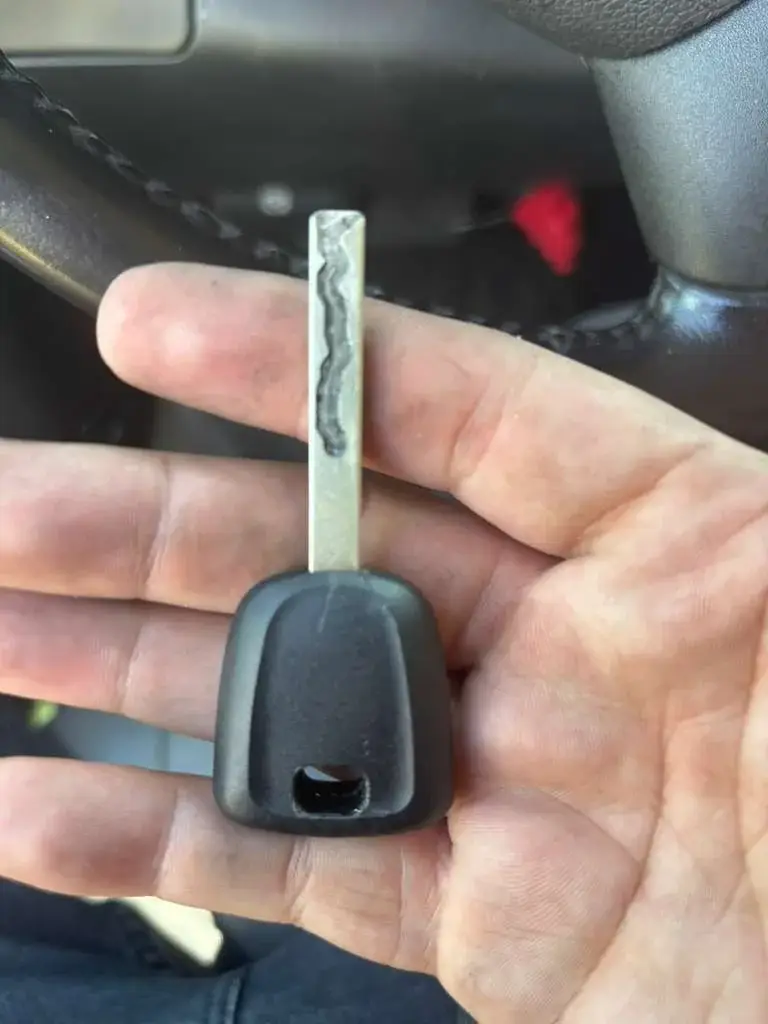
Lost your only car key? A mobile locksmith may be able to make and program a replacement once they confirm your vehicle details and authorization.