
Locksmith Services
Child or Pet Locked in a Car: Urgent Actions to Take Right Now in Houston, TX
When a child or pet is locked in a car, move fast but stay calm.
Locksmith for Buildings In Houston by Mobile Locksmith with 24 7 rapid response rekey master key access control and building lockouts for offices and complexes
Locksmith for Buildings in Houston covers lockouts, rekeying, lock repairs, and controlled entry for commercial and shared properties. Mobile Locksmith helps Houston, TX property owners and managers address access problems, review door hardware, and plan key changes so authorized people can enter while restricted spaces stay protected.
A building lock problem can interrupt an entire workday. Staff may be stuck outside, a tenant may hold an old key, or a rear door may refuse to latch. We focus on the affected opening and how people use it before recommending the next step.
Need help with an active lockout or a planned key change? Call (281) 528-1703 or visit our website to discuss the property, the problem, and current scheduling.
Building locksmith service addresses locks, keys, and access hardware across a property. That includes main entrances, office suites, storage rooms, shared corridors, and other doors that separate public areas from restricted spaces.
Different doors have different jobs. A lobby entrance may handle constant traffic, while a supply room needs limited access. A useful repair or replacement must fit both the door and its daily use.
We can discuss needs across several property types.
Who uses each opening, and who should not? Those answers help guide the work more than the appearance of the lock alone.

Rekeying changes a compatible lock cylinder so its previous key no longer operates it. It can be a practical choice when existing hardware works properly but control over old keys has been lost.
A tenant move-out, employee departure, or missing key may call for a rekey. Replacing the entire lock is not always necessary, but worn or incompatible hardware can change that decision.
Before arranging a building rekey, gather a basic access list.
Rekeying only the front door may leave another entrance accessible with an old key. We help you consider the full access route rather than treating each cylinder as an isolated problem.
A master key system lets selected keys open specific groups of compatible locks. Staff can receive access to their work areas, while an authorized manager may use a master key for several doors.
This approach can reduce the number of keys someone carries. It still requires careful planning, because a missing master key can affect many openings.
Not every existing cylinder can join the same system. We review compatibility and the intended key groups before discussing changes to the locks’ keying.
A smaller key ring is useful, but only if the access rules remain clear.
Building lockout service helps restore entry after keys are lost, locks stop working, or doors close unexpectedly. We first confirm that the person requesting access has authority over the property or affected space.
Have identification and property authorization ready when possible. A manager, owner, or other authorized contact may need to confirm access before work begins.
During the call, describe what happened just before the lockout. Did the key turn without moving the latch, or did an access credential stop working? Those details help separate a cylinder problem from an electronic or door alignment issue.
Do not force a key or pry against the frame. That can turn an entry problem into a damaged door. If someone is in immediate danger, contact emergency services first rather than waiting for locksmith assistance.
Lock repair works best when the cause is identified before hardware is replaced. A sticking key may point to cylinder wear, while a door that needs lifting may have a hinge or alignment problem.
Houston heat, moisture exposure, and frequent door use can affect how an opening operates. The lock is not always the guilty party, even when it gets all the blame.
We look at the lock and the surrounding hardware together. Correcting the cause helps avoid repeated strain on a repaired or replacement component.
Lock replacement is appropriate when hardware is damaged, badly worn, or unsuitable for the opening. The replacement must fit the door preparation, frame, traffic demands, and access needs.
An interior office door and a busy shared entrance do not face the same conditions. Handle style, cylinder type, latch function, and exposure all matter during selection.
We discuss whether you need to preserve an existing key system or change access completely. We also consider how the door should behave when closed and how occupants leave the space.
A replacement should not create a new problem with exit hardware or door operation. Where fire-rated doors or specialized openings are involved, the work may require coordination with building management or another qualified trade.
Access control uses approved credentials, codes, or connected hardware to manage entry. It can help properties that need frequent access changes without collecting physical keys each time.
The right approach depends on the door, existing equipment, power supply, and management needs. Some projects involve more than a lock cylinder and may require coordination with electrical or access system providers.
Mobile Locksmith can review the opening and discuss the locksmith work involved. Existing equipment may limit what can be changed without broader system work.
Exit hardware must let occupants leave through the intended route without improvised barriers. A door that sticks, a push bar that binds, or a latch that refuses to retract needs prompt attention.
Never add a padlock, chain, or makeshift fastener to solve an exit-door problem. Avoid propping open a door that is meant to remain closed.
During a hardware check, we look at how the door opens, closes, and latches. A closer, hinge, strike, or frame problem can interfere with otherwise functional exit hardware.
Building rules and applicable exit-route requirements vary by opening and property use. Ask management to provide relevant door information, and involve the appropriate building or fire-safety contact when needed. A lock change alone does not establish that an entire opening meets every requirement.
Our visit begins with the reported problem and the access needs of the property. For Locksmith for Buildings in Houston, that can mean one stuck entrance or several doors affected by a tenant change.
For larger properties, a door list helps keep decisions organized. It also gives managers a useful reference for later access changes.
The time needed depends on the number of doors and the condition of the existing hardware. A straightforward cylinder rekey differs from a multi-door project with damaged parts and several access groups.
Some issues become clear only after inspection. Unusual lock models, incompatible cylinders, broken components, or frame movement may require another step before the opening can work properly.
Ask about current availability when you call. We can discuss scheduling more usefully when we know whether the property is inaccessible and needs lockout assistance or the work is planned.
Preparation helps the locksmith visit stay focused on the doors that need work. Assign a contact who knows the property and can answer questions about keys, tenants, and restricted spaces.
Clear the immediate work area without leaving tools or objects in walking paths. Let affected occupants know that a door may be temporarily unavailable during service.
Do you have several identical doors with different key rules? Label them by room or door number before the visit. “The door near the other door” rarely helps anyone move faster.
Regular checks help Houston property teams catch small door problems before access is interrupted. Exterior openings deserve attention after heavy rain, noticeable building movement, or periods of frequent use.
Moisture can affect exposed hardware, and debris can collect around thresholds. A change in how a door closes may also signal a hinge, closer, or frame issue rather than a lock fault.
For Texas properties with several tenants, shared entrances need clear reporting habits. Ask occupants to report sticking doors early instead of developing their own shoulder-push technique.
Key control is the routine of tracking issued keys and reviewing who still needs access. It supports the lock work by reducing uncertainty after staff changes, tenant moves, or contractor visits.
Keep a secure record of each key assignment. Avoid labels that expose the full property address or identify a sensitive room if a key is lost.
A returned key does not prove that no copy exists. If continued access would create a concern, discuss rekeying rather than relying only on collection.
Routine care helps repaired or replacement hardware keep working as intended. Follow the product’s care instructions and use only a lubricant appropriate for that lock.
Avoid household oils unless the manufacturer calls for them. The wrong product can attract dirt or interfere with operation.
Test the door during normal use and watch for changes.
If a problem returns, note whether it happens with every key or only one. Also note whether the door behaves differently when open and closed, without forcing any component.
Mobile Locksmith approaches building access work around the people, doors, and key rules involved. We discuss the problem in plain language so you can make an informed decision about the next step.
A useful service plan considers both the immediate issue and related openings. If an old key still operates a side entrance, changing the lobby lock alone may not resolve your concern.
We also separate locksmith work from issues that need another trade. A damaged frame, power problem, or broader access system fault may need coordinated attention.
Whether you manage a single office or several shared entrances, clear communication matters. Tell us what is urgent, what access must remain available, and who can approve changes.
Call Mobile Locksmith to discuss a lockout, rekey, repair, or planned access change in Houston, TX. We can review the basic situation and explain what information will help with scheduling.
For Locksmith for Buildings in Houston, have the property location, affected door count, and authorization contact ready. Mention any blocked entrance, exit concern, or occupied space that may affect the visit.
Call (281) 528-1703 or contact us to request service. We’ll help you work through the next step for your building’s locks, keys, and access hardware.
A locksmith for buildings assists with locks and access-related needs at residential and commercial properties. Mobile Locksmith provides this service.
A locksmith may be needed for lock issues, misplaced keys, changes in occupancy, or access updates.
A locksmith can assess lockout situations and discuss access options, subject to authorization.
Rekeying changes which key operates an existing lock, while replacement involves installing a different lock.
Changes in tenancy are a useful time to review who has keys and whether access arrangements need updating.
A locksmith can discuss lock and access needs for shared entrances with the authorized property representative.
The property owner, building manager, or another authorized person typically coordinates the service.
Describe the general lock or access issue and confirm your authority to request work at the property.
A locksmith can assess the issue and discuss whether maintenance, repair, or replacement may be appropriate.
Contact Mobile Locksmith to discuss the building’s general lock needs and available service options.
When a child or pet is locked in a car, move fast but stay calm.
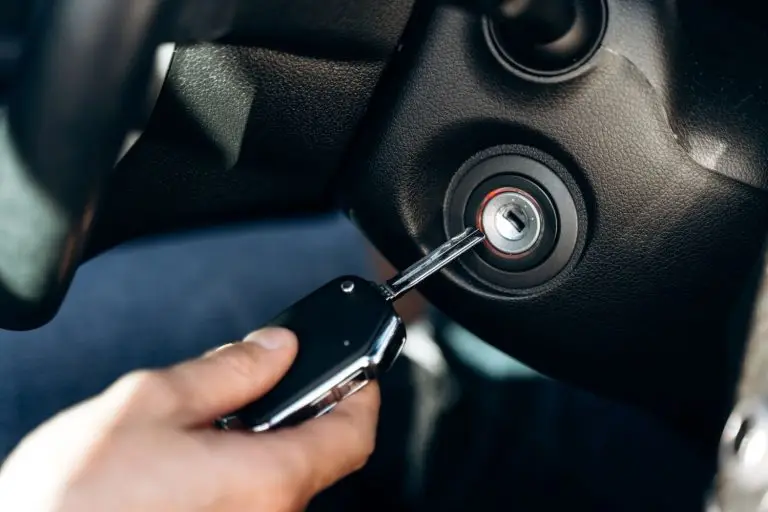
When an ignition key snapped inside the lock, the best move is to stop twisting,
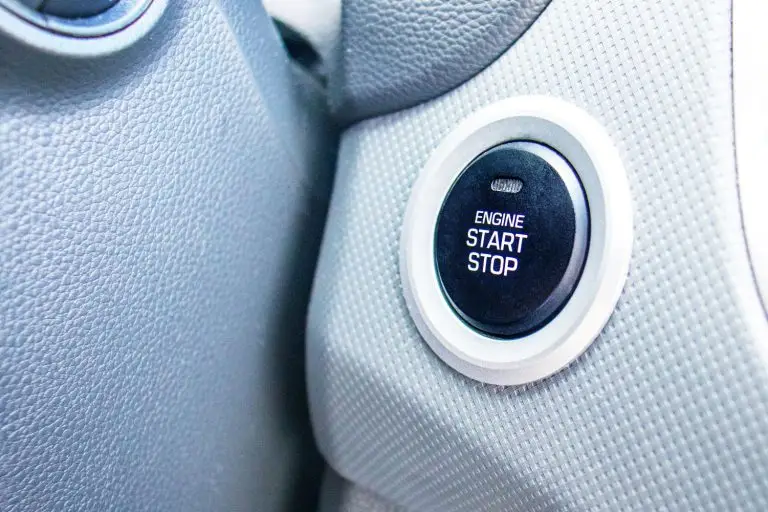
Push-button start keys missing can feel like your car is playing keep-away. The good news