Automotive Locksmith
Key Fob Works Sometimes? When Key Fob Programming May Help
An unreliable key fob may point to a weak battery, damage, signal trouble, or lost pairing. Use these checks before arranging key fob programming.
Need Locksmith for Garage In Houston Mobile Locksmith gives 24 7 garage lockout rekey opener repair and keypads Fast local techs with upfront prices
Locksmith for Garage in Houston covers help with garage lockouts, lost keys, worn locks, and access problems. Mobile Locksmith helps Houston, TX property owners identify the issue and choose a practical next step, whether that involves opening a locked entry door, rekeying a cylinder, or checking keypad access.
A garage often holds more than a vehicle. Tools, bikes, storage boxes, and a door into your home can all sit behind the same entry point.
If your garage key stops working or access changes unexpectedly, start with the lock and door involved. Call (281) 528-1703 to describe the problem, or contact Mobile Locksmith online.
Garage locksmith service addresses locks, keys, and compatible access hardware rather than every problem with an overhead door. The right solution depends on whether the trouble involves a side door, a manual garage lock, or an electronic entry device.
When you need a Locksmith for Garage in Houston, these details help us understand the request.
A lock problem and a door movement problem can look similar from outside. Describing what you see helps separate locksmith work from repairs that need a garage door technician.

A garage lockout calls for checking the entry hardware before attempting to open it. Forcing a key, drilling without an assessment, or prying at the frame can turn a simple access issue into damaged hardware.
Locked your keys inside while taking out the trash? Your garage has picked an inconvenient moment to become private storage.
Before calling for lockout help, check whether another authorized entrance is accessible. Do not climb through a window, crawl under a partly open door, or try to reach the opener release from outside.
During a service visit, we assess the available entry point and explain the proposed approach.
Entry methods depend on the lock, door condition, and access permission, so damage cannot be ruled out before inspection.
If someone is trapped or faces immediate danger, contact emergency services first. A locksmith visit is not a substitute for an emergency response.
A garage lock needs attention when normal use starts requiring extra force or repeated attempts. Small changes often provide a chance to address the problem before access stops completely.
Does the lock work better with the door open? That can point to alignment trouble rather than a faulty cylinder.
Keep observations simple and avoid repeated testing if the key feels close to breaking. A description of the symptom is more useful than a key snapped during another trial.
Rekeying changes a compatible lock cylinder so its previous key no longer operates that cylinder. It can be a practical choice when the existing lock remains usable but you no longer know who has a key.
Consider a rekey assessment after moving into a property, losing a garage key, or ending access for a former occupant. A missing key does not need to have an address attached to create concern.
Rekeying and replacement solve different problems. Rekeying changes key access, while replacement changes the hardware itself.
If you want the garage entry and another door to share a key, compatibility must be checked first. Different lock brands and cylinder types do not always work together.
Remember that rekeying a mechanical lock does not remove stored remotes or keypad codes. Those access methods need separate attention if they are also at risk.
Replacing a garage lock may be the better option when the current hardware is broken, badly worn, or unsuitable for the door. A new cylinder alone will not correct every weakness in an old lock assembly.
We look at how the lock fits, how the latch engages, and whether the surrounding door material remains sound. Loose mounting holes, a bent latch, or damage around the strike can affect the result.
A larger lock is not automatically a better fit. Correct operation and proper installation matter more than appearance alone.
A broken garage key should be assessed before anyone tries to turn or pull the remaining piece. Improvised tools can push the fragment farther inside or damage the cylinder.
If part of the key is visible, resist grabbing it with a tool that could crush or twist it. Do not add glue, and do not insert another key behind the broken piece.
Keep any pieces you have and tell us whether the key broke during insertion, turning, or removal. That information can help identify a worn key, a sticking cylinder, or pressure from a misaligned door.
Removing the fragment is only part of the job. The lock also needs checking so a replacement key does not meet the same fate on its first use.
A garage keypad problem can come from weak batteries, incorrect programming, worn buttons, or a fault elsewhere in the access system. A failed code does not automatically mean the keypad needs replacement.
Avoid guessing through repeated programming steps. Some procedures remove stored devices or change settings you did not intend to alter.
Tell Mobile Locksmith whether the keypad operates a door lock or an overhead garage opener. Support for garage access hardware depends on the device and system, and we can discuss that before arranging work.
A lost garage remote may require removing its stored access from the opener rather than changing a door lock. The procedure depends on the opener model and can affect other paired devices.
Think about where the remote disappeared. A remote stolen from a vehicle near your home deserves a prompt review of garage access.
Gather the opener brand, model, and instructions if available. Do not post keypad codes, remote programming details, or clear photos of working keys online.
Some systems allow individual devices to be removed. Others require clearing stored remotes and pairing the devices you still use.
A replacement remote also needs to match the opener system. Similar buttons or a matching color do not establish compatibility, so check the model before buying hardware.
A garage door technician is usually the right contact for broken springs, damaged cables, bent tracks, or motor-driven movement problems. Locksmith work focuses on access hardware and should not be treated as a replacement for mechanical door repair.
Stop operating the overhead door if it hangs crooked, drops unexpectedly, or has a loose cable. Springs and cables can hold dangerous tension even when the door looks still.
Never run an automatic opener against an engaged manual slide lock. That can damage the door or opener, and repeated attempts will not persuade either component to cooperate.
Houston heat, humidity, and wind-driven rain can contribute to corrosion, swelling, and alignment changes around garage entry doors. Outdoor hardware often faces tougher conditions than locks inside the home.
A side door exposed to afternoon sun may behave differently after the temperature drops. Moisture around a frame can also change how the latch meets the strike.
In Houston, Texas, garages may be attached to the house, stand behind the property, or open onto an alley. Each setup changes access, visibility, and exposure.
Mention recent flooding, storm damage, or water inside an electronic lock when you call. Wet electrical equipment should not be tested casually.
Weather may explain a symptom, but it does not establish the cause. We still need to check the lock, frame, and door operation before recommending lock repair work.
A useful garage locksmith visit begins with confirming the request and inspecting the affected entry point. We need to understand both what stopped working and what outcome you want.
The process generally follows these steps.
If the problem falls outside locksmith work, we explain that boundary. Replacing a lock will not fix a twisted overhead door or a failed spring.
Tell us about other symptoms during the inspection. A latch that sticks only in the evening can be useful information.
The time needed for garage locksmith work depends on the hardware, access conditions, and damage found during inspection. A working cylinder requested for rekeying presents a different task from a jammed lock in a damaged frame.
Ask about current scheduling when you call rather than assuming immediate availability. We can discuss the request more usefully when we know the address, door type, and main symptom.
Clear photos of the lock and door can also help with initial planning.
Preparing the work area helps the locksmith inspect the garage entry without unnecessary obstacles. You do not need to remove the lock or take apart the door before the visit.
Use this short checklist.
If you are locked out, wait somewhere safe rather than standing close to traffic or an unstable door. Do not leave the property unsecured while searching for a tool.
Let us know if a vehicle inside is blocking the work area. That affects planning even if the vehicle itself is not involved.
Shared garage access works better when each user knows which keys, codes, and remotes they are permitted to use. Rentals, small workplaces, and multi-user households can lose track of access over time.
After an occupant or worker leaves, review every entry method rather than changing only the most visible lock. A side door key and an overhead remote may both provide access to the same space.
Property managers should arrange authorization before the appointment. Clear permission helps prevent confusion over who can approve changes to shared hardware.
Garage locks benefit from gentle use, clean hardware, and attention to changes in door fit. Regular checks can reveal loose components before they interrupt access.
Follow the lock maker’s care instructions and use only a product suitable for that hardware. Heavy oil can collect grime, while the wrong cleaner may damage finishes or internal parts.
If sticking returns soon after service, note when it happens and whether temperature or door position changes the symptom. Stop forcing the hardware and arrange another assessment.
Mobile Locksmith can help you discuss a garage lock problem and plan the appropriate service in Houston, TX. Whether you have a lost key, a jammed entry lock, or uncertain keypad access, start by telling us what the door is doing.
For Locksmith for Garage in Houston, have your location, door type, and main symptom ready. Mention any damage, recent access changes, or trouble with the overhead door mechanism.
Call (281) 528-1703 or use our contact page to reach Mobile Locksmith. We will discuss the request, confirm service suitability, and help you choose the next practical step.
Mobile Locksmith provides garage locksmith services.
A locksmith may assist with garage access, depending on the lock and situation.
Contact a locksmith to discuss access and whether a lock change or rekeying is appropriate.
Repair may be an option, depending on the lock’s condition.
Replacement may be worth considering if the lock is damaged, worn, or no longer suitable.
Some garage locks can be rekeyed, depending on their type and condition.
Avoid forcing it and contact a locksmith to discuss the problem.
A locksmith can discuss general options based on your garage door and access needs.
Lock work and opener repairs are different services, so confirm the scope before arranging assistance.
Describe the lock issue and the type of assistance you need.
An unreliable key fob may point to a weak battery, damage, signal trouble, or lost pairing. Use these checks before arranging key fob programming.
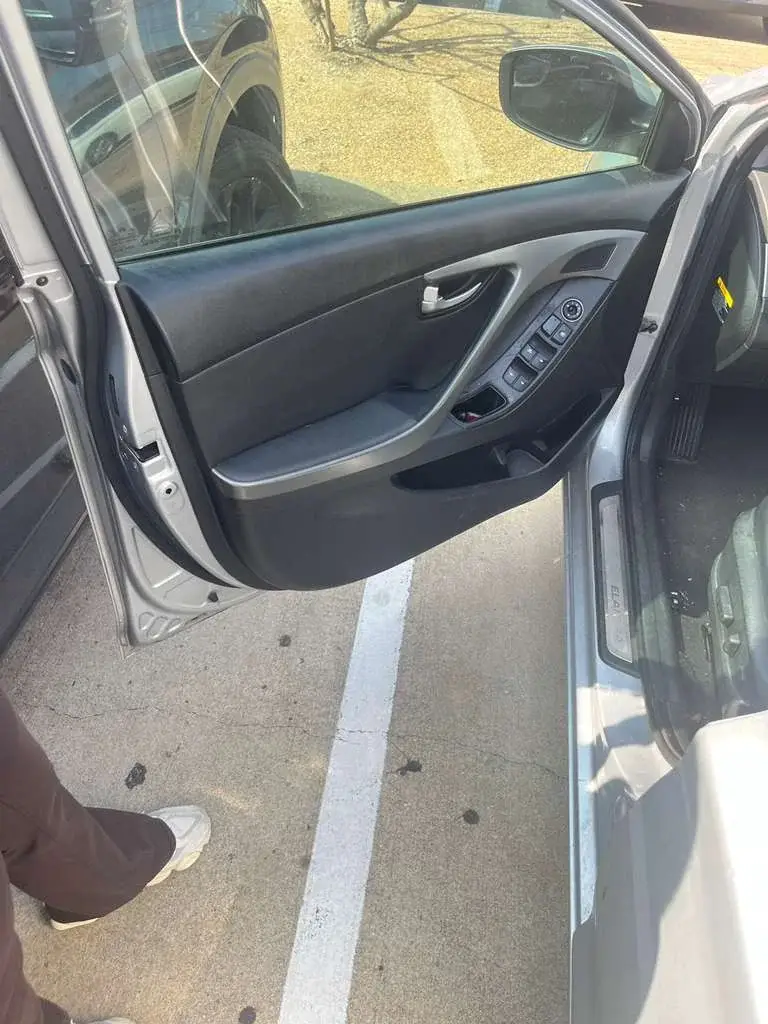
A broken key fragment can get pushed deeper or damage the lock. Stop turning and avoid glue, magnets, prying tools, and spare keys. Secure the car and arrange key extraction help.
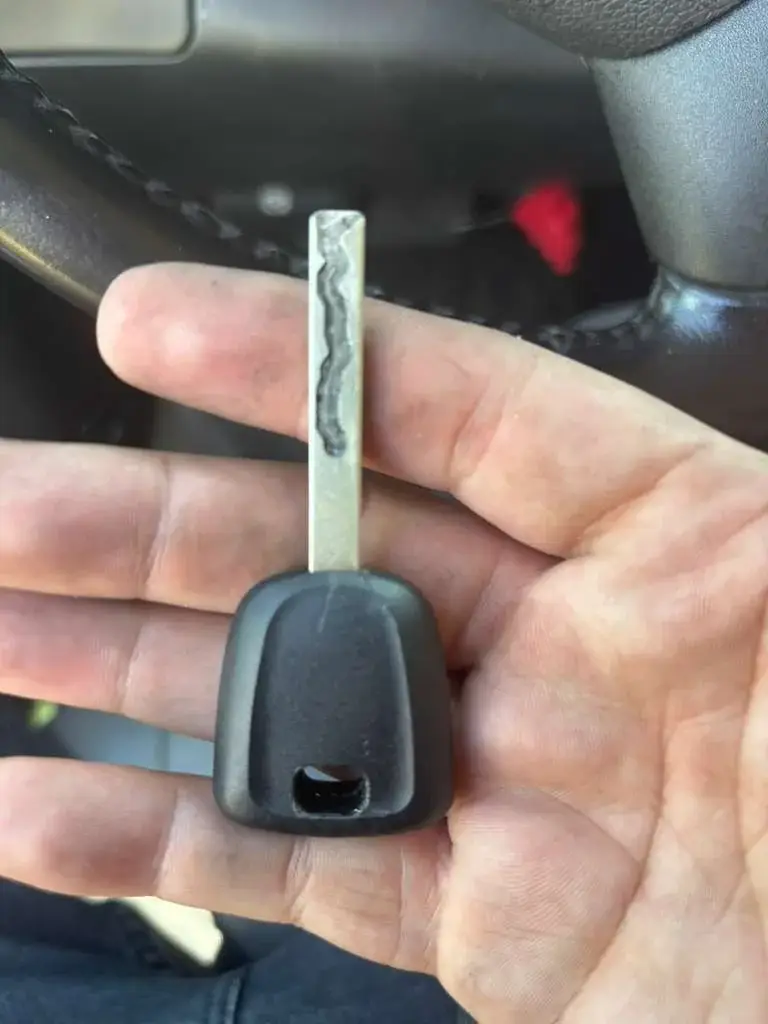
Lost your only car key? A mobile locksmith may be able to make and program a replacement once they confirm your vehicle details and authorization.