Automotive Locksmith
Key Fob Works Sometimes? When Key Fob Programming May Help
An unreliable key fob may point to a weak battery, damage, signal trouble, or lost pairing. Use these checks before arranging key fob programming.
Push bars locksmith In Houston by Mobile Locksmith for code compliant panic exit devices installation repair 24 7 response fast arrival and upfront pricing
Push bars locksmith in Houston covers installation, repair, and replacement of door hardware that lets people exit by pushing a bar. Mobile Locksmith helps Houston, TX property owners address sticking latches, loose bars, and exit door problems, with service based on the door’s condition and use.
A push bar should release the door without a struggle. If people must shove the door, press repeatedly, or lift the handle while pushing, the opening needs attention. An exit door should not require a pep talk.
Call (281) 528-1703 or visit our homepage to discuss push bar service for your property.
Push bar service addresses the exit device and the door components that affect its operation. A working bar cannot solve a dragging door, a damaged frame, or a strike that misses the latch.
We assess how the hardware works together before recommending a repair or replacement. That includes the bar, latch, strike, mounting points, hinges, and door closer.
Does the door open easily from inside but refuse entry from outside? Those functions involve different components, so describing both helps us understand the problem.

A push bar needs attention when normal pressure no longer releases the latch consistently. Changes in sound, movement, or closing behavior can point to wear before the device stops working.
Watch the entire opening during regular use. The problem may appear only after the door closes, during heavy traffic, or when someone pushes near either end of the bar.
A door that opens normally sometimes can still need repair. Intermittent trouble is worth reporting, especially on an exit people depend on.
Push bar trouble can come from door movement rather than a broken internal mechanism. Loose hinges, frame movement, worn pivots, and an incorrect closer adjustment can change how the latch meets its strike.
Houston heat, humidity, and wind can also affect an opening. Weather seals may press tightly against the door, while rust or dirt can interfere with exposed hardware.
Heavy use adds another source of wear. Deliveries, carts, and repeated impacts can loosen mounting screws or bend exposed rods.
We check these conditions before treating the push bar as the only problem. Replacing a device without addressing a dragging door can leave the same complaint in place.
Think back to when the trouble began. Did it follow a delivery impact, door painting, new weather stripping, or work on the frame? That history can guide the inspection.
Our visit focuses on finding the cause, explaining the options, and checking the completed work. We look at how people use the opening, not just whether the bar moves once.
Our push bars locksmith service in Houston considers the door, frame, and exit device as a working system. A useful repair should address the source of the complaint.
Repair can be appropriate when the device remains suitable for the opening and the damage is limited. Loose mounting hardware, certain worn components, and minor alignment problems may not require replacing the entire unit.
The decision depends on the manufacturer, model, condition, and availability of compatible components. Some devices allow individual components to be serviced. Others offer fewer practical repair options.
We also consider repeated trouble. If the same latch keeps sticking, another quick adjustment may not address the underlying cause.
Before calling, avoid taking the device apart or adding lubricant without checking the manufacturer’s instructions. Incorrect products can collect dirt or affect internal operation.
A photo of the device and any visible label can help identify the hardware. Take photos without removing covers or disturbing the mechanism.
Replacement is appropriate when the existing device is damaged beyond practical repair or no longer suits the opening. The new hardware must match more than the old bar’s general appearance.
Door width, construction, handing, latch position, and mounting holes all influence the selection. Exterior trim and existing access controls may also affect which replacement works.
Cover plates may address unused holes in some installations, but they do not correct structural damage. A split door edge, bent frame, or weak mounting area may need other work before hardware installation.
Exit devices use different latching arrangements, so the correct choice for exit device installation depends on the door assembly. A similar-looking bar is not always a suitable substitute.
Rim devices typically latch into a strike at the frame or a center mullion. They are common on single doors and some paired openings.
Vertical rod devices secure the door at multiple points, often near the top and bottom. Their operation depends on proper rod adjustment and clear strike locations.
Mortise exit devices use a lock case fitted into the door edge. Replacing them requires attention to the existing door preparation and compatible trim.
Fire exit hardware has additional restrictions, including limits on holding the latch retracted. Ordinary panic hardware and fire exit hardware are not automatically interchangeable.
We check the existing arrangement before recommending a change. Keeping the correct function matters more than matching a finish.
A new push bar installation starts with checking whether the door and frame can accept suitable exit hardware. Not every existing door can receive a bar without additional preparation.
The review includes door measurements, mounting strength, swing, clearance, and the proposed exterior entry method. Existing locks also need attention so they do not interfere with the required exit function.
For a change in building use or a larger renovation, confirm the hardware requirements with the appropriate project professional or local authority. Installing a push bar alone does not establish compliance for the entire opening.
Exit safety depends on the complete opening, not just the presence of a panic bar. Building use, occupant load, door arrangement, and local requirements can affect the hardware needed.
Mobile Locksmith can discuss hardware concerns found during service. Questions about required equipment or approval should go to the local authority responsible for the property.
An added deadbolt, slide bolt, chain, or other restraint can interfere with exit operation. Do not add hardware simply because the existing door will not latch properly.
Fire-rated openings need particular care. Unauthorized drilling, hardware substitutions, or changes to the latching function may affect the assembly.
If a door sticks closed or cannot provide its intended exit function, notify building management promptly. Follow the property’s emergency procedures and keep people away from an unsafe opening.
Exterior entry control should work without defeating the door’s required exit operation. A push bar can provide inside release while compatible exterior trim controls access from outside.
Depending on the device, exterior trim may use a key cylinder, lever, pull, or electrically controlled component. The correct arrangement depends on how the building operates.
Electrified exit hardware may involve wiring, power supplies, alarms, or a separate access control provider. We discuss those connections before changing components that affect other systems.
Service timing depends on the fault, hardware availability, and condition of the opening. An accessible adjustment differs from replacing concealed components or correcting damage around the mounting area.
Some concerns can be addressed during an initial visit. Others require identifying the device, obtaining compatible components, or coordinating related door work.
Need help today? Call to describe the problem and ask about current scheduling. We can discuss the next step without assuming every door needs the same amount of work.
A clear work area and accurate door information help the commercial locksmith visit move efficiently. You do not need to diagnose the mechanism before calling.
If the complaint happens only at certain times, write that down. A door that sticks after afternoon sun exposure may behave differently during an early visit.
Stop repeated testing if the bar is loose, the door binds hard, or the latch will not release. Forcing the opening can worsen damage and leave people with an unreliable exit.
Do not tie the bar down, wedge a fire door open, remove rods, or disconnect alarms as a temporary fix. These actions can create a separate safety problem.
If people are trapped or there is an immediate threat, contact emergency services. For a malfunction without an immediate emergency, notify the responsible building staff and request prompt service.
Keep the area clear while the issue is assessed. Building management should handle any temporary access changes under the property’s safety procedures.
A stuck exit is not a good candidate for improvised repairs. The goal is dependable operation, not getting through the next push.
Routine visual checks help property staff notice changes before the door stops operating. Keep a simple record of complaints, adjustments, and repairs for each opening.
Follow the device manufacturer’s care instructions. Avoid spraying cleaners directly into the mechanism or painting over moving components.
Ask staff to report the first sticking incident when discussing push bar service. “It only happens sometimes” is still useful information, not a reason to ignore the door.
Houston properties need exit hardware that suits each opening’s use and exposure. A shaded office entrance faces different conditions from a warehouse door beside a loading area.
Retail and restaurant doors may cycle frequently throughout the day. Delivery doors may receive impacts from carts, while exterior steel doors can show corrosion around exposed components.
In Houston, Texas, weather and building conditions deserve attention during diagnosis. Wind pressure, tight seals, and frame movement can affect how a door closes and latches.
Managing several properties across Houston, TX? When arranging locksmith service for buildings, identify each problem door by location and use, rather than reporting that “the back door sticks.” Clear descriptions help separate hardware faults from recurring building issues.
Contact Mobile Locksmith to discuss a sticking, damaged, or unreliable exit device. We focus on practical recommendations based on the opening, its hardware, and the symptoms you report.
Our push bars locksmith service in Houston helps property owners and managers take the next step with installation, repair, or replacement. Tell us what the door does now and how it needs to function.
Have the property address, door location, and any hardware photos ready when you call. Mention right away if the door cannot open from inside or will not latch shut.
Call (281) 528-1703 or contact us to request push bar service in Houston, TX.
A push bar is door hardware that allows people to open a door by pressing a horizontal bar, commonly used on exit doors.
Yes, Mobile Locksmith provides push bar locksmith services. Contact them to discuss your door hardware needs.
Difficulty opening the door, loose hardware, or inconsistent latching can indicate that the push bar needs attention.
Repair may be possible depending on the hardware’s condition and the nature of the issue.
Replacement may be considered when the hardware is damaged, worn, or no longer suitable for the door.
Suitability depends on the door, its intended use, and applicable building requirements.
Push bars are common in commercial and public buildings, but their use depends on the building and exit requirements.
Periodic maintenance can help identify wear or operating issues. Maintenance needs vary by hardware and usage.
Some push bars can be used with compatible security hardware, provided the arrangement supports applicable exit requirements.
Contact Mobile Locksmith with a general description of your door and the issue to discuss service options.
An unreliable key fob may point to a weak battery, damage, signal trouble, or lost pairing. Use these checks before arranging key fob programming.
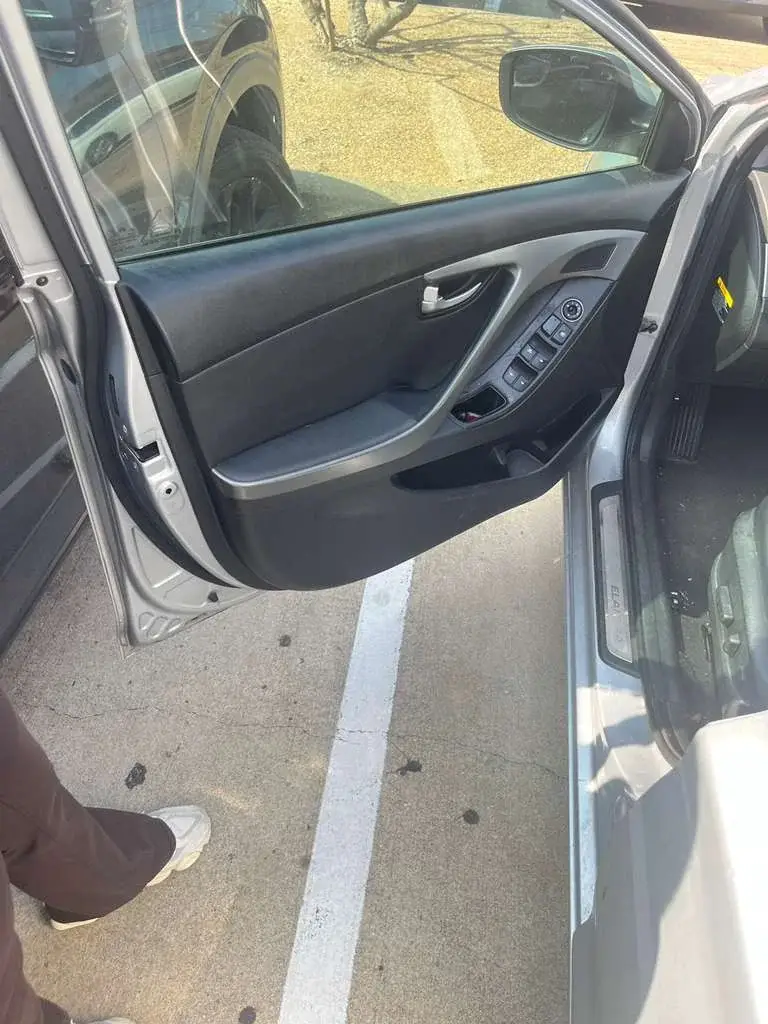
A broken key fragment can get pushed deeper or damage the lock. Stop turning and avoid glue, magnets, prying tools, and spare keys. Secure the car and arrange key extraction help.
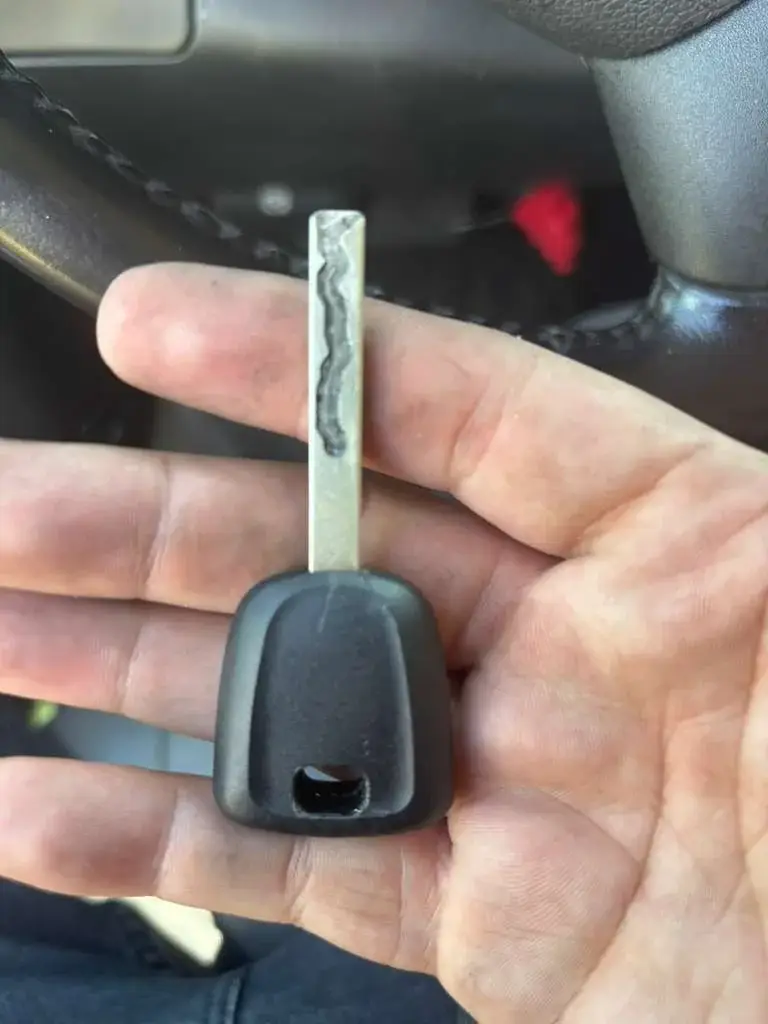
Lost your only car key? A mobile locksmith may be able to make and program a replacement once they confirm your vehicle details and authorization.