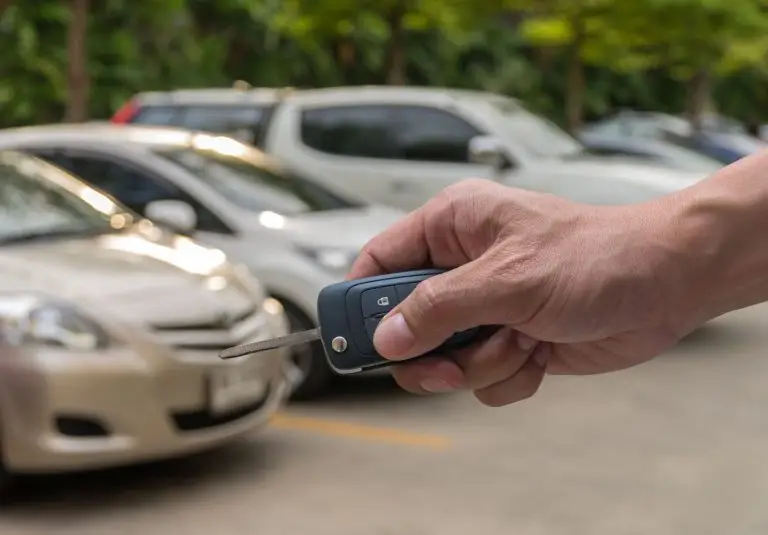
Automotive Locksmith
Spare Key Planning for Daily Drivers in Houston
Spare key planning is a simple way to keep a bad day from getting worse.
Residential Key duplication In Houston by Mobile Locksmith same day mobile service accurate house key copies upfront pricing licensed local technicians

Residential key duplication in Houston creates spare house keys from a usable original. At Mobile Locksmith, we help Houston, TX homeowners arrange mobile service, check key condition, and identify the right copying approach. A properly matched, tested spare gives household members access without passing one key around all day.
A spare house key is a small item with a useful job. It can help a teenager get inside after school, give a trusted relative access, or keep a misplaced key from disrupting your afternoon. The goal is simple, a copy that works smoothly in the intended lock.
Have only one working key left? That is a good time to plan ahead, before that key disappears into a couch cushion or leaves town with someone else.
Call (281) 528-1703 or visit Mobile Locksmith to discuss your key and arrange service in Houston, Texas.
Residential key duplication makes another key with the same working cuts as an existing house key. The copy must use a compatible blank and match the lock’s keyway, which is the shaped opening where the key enters.
House keys can serve several doors around a property. A front entry, back door, side entrance, and detached garage may each use separate keys. Some homes have several locks that already share a key.

Before copying, identify exactly what the original opens. Two keys that look similar may have different cuts or fit different lock brands.
Making a duplicate does not change who can use existing copies.
Every old key that worked before will generally still work afterward.
An extra house key helps when more than one trusted person needs independent access. It also reduces the daily habit of leaving your only key somewhere temporary and hoping everyone remembers where it is.
Think about how your household enters and leaves the property. Different work schedules, school activities, and travel plans can make sharing one key inconvenient.
Who actually needs ongoing access? Make that decision before ordering copies, rather than cutting several extras without a storage plan.
Keep a simple record of who receives each spare. You do not need an elaborate system, just enough organization to know where your keys are.
A straight, dependable original gives the locksmith a better reference than a worn or unreliable key. Duplication follows the existing cuts, so damage or wear can affect the copy.
Look at the blade, shoulder, and tip before the visit. Rounded cuts, cracks, bends, or heavy wear are reasons to have the key checked rather than copied without review.
If you have several keys for the same door, set aside the one that works most consistently. A less-used original may be a better starting point than the key carried every day.
Does your current key need a lift, shake, or special angle before it turns? Mention that behavior before cutting begins.
A key that only works with a familiar trick may point to worn cuts, a lock problem, or door pressure. Copying it alone may not solve the issue.
We begin by confirming the key, the intended lock, and any existing access problems. That helps separate a routine house key copy from a situation that needs another approach.
For residential key duplication in Houston, have the working key and access to the matching door ready whenever possible. The lock itself provides the most useful place to check the finished copy.
The exact approach depends on the key type and condition. Describe unusual keys when you call so we can discuss service suitability before scheduling.
Many household pin tumbler keys can be duplicated when a suitable blank and usable original are present. Less common key systems may require a different process, specific equipment, or authorization.
A standard-looking key is not always a standard copying job. The shape of the blade, grooves, and lock mechanism all affect compatibility.
If you rent your home, check your lease and ask the property manager about duplicate key rules. For a controlled key system, the system provider may direct how authorized copies are obtained.
Do not assume a marking can simply be ignored. Tell us what appears on the key, and we can discuss the next step without making promises before inspection.
A house key copy should work in the lock, not merely resemble the original. Small differences in the blank or cuts can affect whether a key inserts fully and turns correctly.
Whenever practical, begin testing with the door open. This lets you check the lock without accidentally leaving yourself outside if something does not work as expected.
A front door may have a knob lock and a deadbolt using the same key. Test both rather than assuming success in one confirms the other.
After open-door testing, check normal operation with the door closed while keeping another way inside available.
A duplicate key will not correct a door that presses against its frame or a lock with internal wear. The key, lock, latch, and door alignment all affect how easily the hardware operates.
Compare what happens with the door open and closed. If the key turns smoothly with the door open but resists when closed, pressure at the strike opening may be involved.
Also compare the original with the copy. If both behave poorly, the issue may extend beyond the new key.
Stop using extra force if the key begins to flex. A broken blade inside the cylinder creates a different problem from needing a spare.
Duplication adds a working copy, while rekeying changes which key operates a compatible lock. If a key is missing and someone untrusted might have it, extra copies do not remove that access risk.
Consider the reason behind your request before choosing the service. A household that needs two more keys has a different concern from a homeowner who cannot account for an old copy.
Recently moved into a Houston home? Finding a working key in a kitchen drawer does not tell you how many other copies exist.
Talk through access concerns first. The right next step should address the problem, not just add another key to the ring.
Having the correct key and access to its lock ready makes the visit more productive. A little preparation also helps prevent confusion when several household keys look alike.
If another household member has the only working key, coordinate before scheduling. A photograph may help identify some visible features, but it does not replace a usable original for ordinary duplication.
For a rental property or shared residence, confirm who can approve the work. Clear permission helps keep the visit focused on the requested service.
Timing depends on the key type, original condition, required blank, and current service availability. A routine copy and an unusual restricted key should not be treated as identical requests.
When you call Mobile Locksmith, describe whether the key works smoothly and whether you need copies for multiple doors. Mention any unusual markings or shapes.
Need access ready before a trip or a caregiver’s first visit? Contact us ahead of that deadline instead of depending on an unconfirmed arrival window.
We can discuss the request and current scheduling options when you call. Avoid assuming immediate availability before your appointment is confirmed.
Houston households benefit from planning spare key access around daily routines and property layout. A front entry may not be the door everyone uses, especially when parking and household schedules differ.
Walk through the entrances your family actually uses. A spare for the front door will not help with a separately keyed side gate or detached garage.
Heat, moisture, and seasonal movement can also affect how some doors close. If a door starts rubbing or a deadbolt becomes difficult to turn, mention the change rather than assuming the key needs copying.
For homes across Houston, TX, the useful question is not just how many copies to make. It is which working keys each trusted person actually needs.
A spare key is useful only when you can find it and keep it away from unauthorized users. Choose a storage plan before handing out copies.
Avoid obvious outdoor hiding places, including doormats and flowerpots. A trusted nearby contact or a suitable secured storage method can be a better option, depending on your household.
Do not use a house key to pry open a package or turn a screw. Your front door key does not need a second career as a toolbox.
If a key becomes difficult to use, stop forcing it. Ask about the lock and key together before adding lubricant or attempting adjustments.
Mobile Locksmith helps you take the next step by discussing your original key, the doors it operates, and your need for spare copies. Clear information at the start helps us focus on the actual access problem.
For residential key duplication in Houston, tell us whether you have a working original and whether it turns smoothly. Also mention how many copies you need and any copying restrictions marked on the key.
You do not need to know the lock’s technical name before calling. A plain description of the key, door, and problem is a useful starting point for residential locksmith service.
Ready to stop sharing the only house key? Call (281) 528-1703 or contact us to discuss residential key duplication and mobile service availability in Houston, Texas.
Residential key duplication is the process of making an additional copy of a key used for a home. Mobile Locksmith provides this service.
A duplicate can be useful for household members, trusted contacts, or keeping a spare.
Duplication options depend on the key type and any restrictions associated with it.
An existing key is generally used for duplication. If no key is available, ask about other locksmith services.
The condition of the key may affect whether it is suitable for duplication.
You can discuss the number of copies you need with Mobile Locksmith.
Check your lease or ask your landlord before duplicating a rental property key.
Restricted keys may require authorization and an approved duplication process.
Avoid forcing the key and contact the locksmith to discuss the issue.
Contact Mobile Locksmith to discuss your key type, duplication needs, and service availability.
Spare key planning is a simple way to keep a bad day from getting worse.
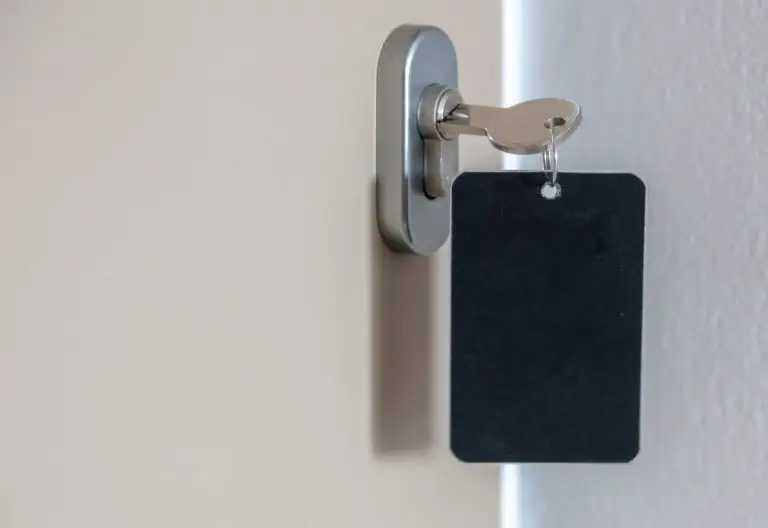
Keys get messy fast when you have suites, closets, and back doors. A simple key
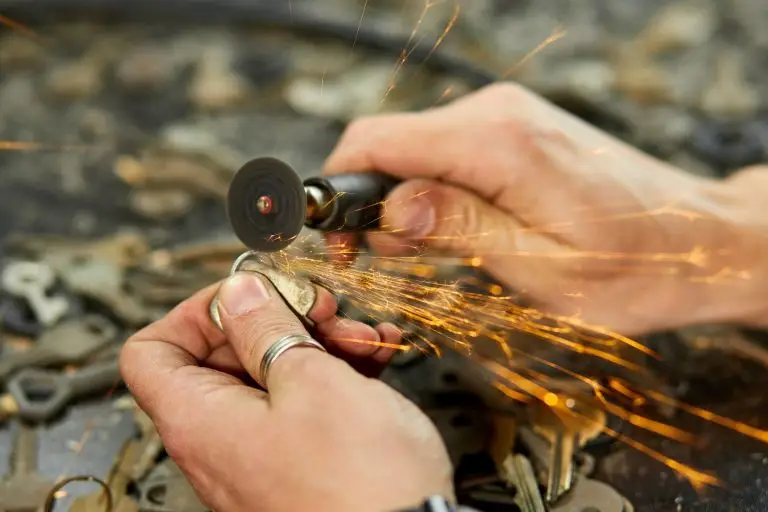
Copying a worn key often copies the problem, not just the shape. The new key