Automotive Locksmith
Key Fob Works Sometimes? When Key Fob Programming May Help
An unreliable key fob may point to a weak battery, damage, signal trouble, or lost pairing. Use these checks before arranging key fob programming.
Residential Lock rekeying In Houston by Mobile Locksmith with 24 7 rapid response, upfront prices, licensed techs, free spare key and doors keyed alike
Residential lock rekeying in Houston changes a lock’s internal pins so an old key no longer operates it. Mobile Locksmith helps homeowners in Houston, TX check existing locks, reset compatible cylinders, and simplify access with new keys. Rekeying is a practical choice after a move, lost keys, or changes in household access.
Rekeying lets you keep a working lock while changing which key opens it. For many standard home locks, we adjust the pins inside the cylinder to match a different key.
The outside knob, deadbolt housing, and door handle can often stay in place. Once that cylinder has been properly rekeyed and tested, its previous key should no longer operate it.
Residential lock rekeying is useful when the hardware works well but control over the keys is uncertain. It does not fix a cracked lock body, loose door frame, or damaged bolt.
Think about the problem you want to solve before choosing a service. If someone has an old key, rekeying addresses that access.
If the door will not close securely, the door and hardware need attention too, which may include lock repair.

Rekeying is worth considering whenever you cannot account for everyone who may have a working key. Getting a key back does not tell you whether copies exist.
Have you recently moved, changed roommates, or lost a house key? Those are useful moments to review every keyed entrance, not just the front door.
Rekeying can help establish a clear starting point for household key control. From there, keep track of new copies and give them only to people who need regular access.
A move-in rekey should cover the doors that provide access to your home. Changing only the front door leaves a gap if an old key still works elsewhere.
Before unpacking takes over your weekend, walk around the property and list the locks. Check the back door, side entrance, attached garage entry, and any keyed patio doors.
Detached garages and storage rooms may need a separate access plan. A yard gate can also require different hardware, so do not assume every lock on the property can share one key.
Our first step is to confirm that the existing hardware is suitable for rekeying. A working cylinder is only part of the picture, since the bolt, mounting screws, and door fit also affect use.
We check how the key turns and whether the lock operates with the door open and closed. That comparison helps separate a cylinder issue from a door alignment problem.
A deadbolt that turns smoothly while open but binds when closed may be rubbing against the strike opening. Changing the pins alone will not correct that friction.
We also review which doors you want included and who needs access afterward. A clear plan helps avoid overlooking a side door or leaving a seldom-used entrance on an old key. If a lock is worn or incompatible, we explain the issue before proceeding with that hardware.
A rekey visit involves checking access authority, servicing suitable cylinders, and testing the finished locks. The exact steps depend on the lock type and its condition.
Keep an existing key handy if you have one. It can help with assessment and access to some cylinders, though a missing key does not automatically rule out rekeying.
Doors can often be keyed alike when their cylinders use a compatible key system. Sharing a finish or brand name does not, by itself, prove that two locks can accept the same key.
Do you carry separate keys for the front knob, front deadbolt, and back door? We can check whether those locks can be set to one key without replacing otherwise useful hardware.
Compatibility depends on the keyway, cylinder construction, and supported pin arrangement. If the locks use different systems, matching them may require changing some hardware rather than simply rekeying it.
You can also keep certain doors separate on purpose. A detached workspace or storage area may need its own key if someone requires access there but not inside the house. The goal is convenient access without giving each key holder more access than intended.
Replacement makes more sense when a lock cannot work reliably after rekeying. New pins will not restore a broken housing or correct serious internal wear.
Sometimes the lock is sound, but the door needs adjustment. Loose hinges, shifting frames, and a misaligned strike can make good hardware feel defective.
We explain whether the concern involves key access, the lock itself, or the surrounding door. That distinction helps you choose work that addresses the actual problem instead of changing parts without a clear reason.
A lost key should prompt a check of every lock that key could operate. Rekeying just one cylinder may leave another entrance accessible with the missing key.
Start by listing the doors on that key, including the door between an attached garage and the house. If the key disappeared with items showing your address, explain that when you call.
If you are locked out, mention that separately because entry and rekeying are different tasks. If you suspect a break-in or face an immediate threat, contact emergency services rather than approaching the property alone.
Rental rekeying should begin with confirmation of who may authorize the work. Tenants should check their lease and contact the property owner or manager before changing locks.
For owners and managers, a tenant turnover is a useful time to review all entry hardware. A lock may still turn while having loose screws, a worn cylinder, or a bolt that does not seat properly.
Where ownership or occupancy is disputed, permission must be settled before lock changes proceed. Rekeying should not be used to bypass someone’s lawful access. Clear authorization helps keep the service focused on the property’s access needs.
Houston heat and humidity can contribute to changes in how some doors fit their frames. A door that drags or shifts may put pressure on the bolt, making the lock harder to turn.
Rekeying changes the cylinder’s key access, not the position of the door. If you must lift, push, or pull the door while turning the key, mention that during your call.
Across Houston, Texas, entry doors vary in age, material, and exposure to rain. Checking the door and lock together helps prevent a key-control service from being mistaken for a fix for every sticking-door problem.
Some smart locks have a mechanical key cylinder that can be rekeyed, while others use a different access system. The model determines what work is possible.
Changing a physical key does not automatically remove keypad codes, app access, or stored user permissions. If access needs have changed, review those settings separately using the manufacturer’s instructions.
Mortise locks, multipoint door locks, and certain patio door cylinders also need model-specific checks. Photos can help identify the hardware before a residential locksmith visit. Avoid taking unfamiliar hardware apart, since small parts can turn a simple assessment into a puzzle with missing pieces.
The work needed depends on how many cylinders are involved and how easily they can be serviced. A door with both a locking knob and a deadbolt may count as two separate cylinders.
Mixed brands, missing keys, stuck screws, and damaged hardware can add steps. Door alignment concerns may also require separate attention before the finished lock operates comfortably.
Ask about current scheduling when you call rather than assuming a specific arrival or completion time. Clear information helps us discuss the visit based on your home’s actual needs.
Clear access to the doors and ready authorization help the work move forward. You do not need to remove the locks before we arrive.
Move shoes, furniture, and stored items away from the entries being serviced. Keep pets away from open doors, especially if they see every visitor as a personal invitation to run outside.
Let us know about gate access, parking restrictions, or special entry instructions. For a managed property, arrange approval ahead of time so questions about permission do not interrupt the visit.
New keys should operate each intended lock smoothly before you rely on them for daily access. Begin testing with the door open so a sticking lock does not leave you outside.
Then close the door and check that the bolt extends and retracts without heavy pressure. If operation changes when the door closes, point it out before the service wraps up.
Avoid forcing a key or spraying an unknown lubricant into the cylinder. Ask which care method suits your hardware, and report new sticking or looseness before it becomes a lockout.
Mobile Locksmith helps you sort out which locks need new keys and which may need other attention. We focus on your doors, existing hardware, and household access needs rather than assuming every home needs the same work.
When you call about residential lock rekeying in Houston, tell us what prompted the change and how many locks are involved. Mention missing keys, difficult deadbolts, rental authorization, or a preference for doors keyed alike.
Ready to stop wondering who might still have a house key? Call (281) 528-1703 or contact us to discuss residential rekeying in Houston, TX and arrange the next step.
Rekeying changes a lock’s internal configuration so it works with a different key without replacing the entire lock.
Mobile Locksmith provides residential lock rekeying services.
Common reasons include moving into a home, losing a key, or changing who has access.
Rekeying changes which key operates the lock, while replacement involves installing different lock hardware.
Suitability depends on the lock’s type, condition, and design.
Rekeying is intended to make the lock operate with a different key rather than its previous key.
This may be possible when the locks are compatible.
Rekeying is an option if you are unsure who may have copies of the existing keys.
Renters should check their lease and obtain any required permission before arranging rekeying.
Rekeying changes key access; a damaged lock may need repair or replacement instead.
An unreliable key fob may point to a weak battery, damage, signal trouble, or lost pairing. Use these checks before arranging key fob programming.
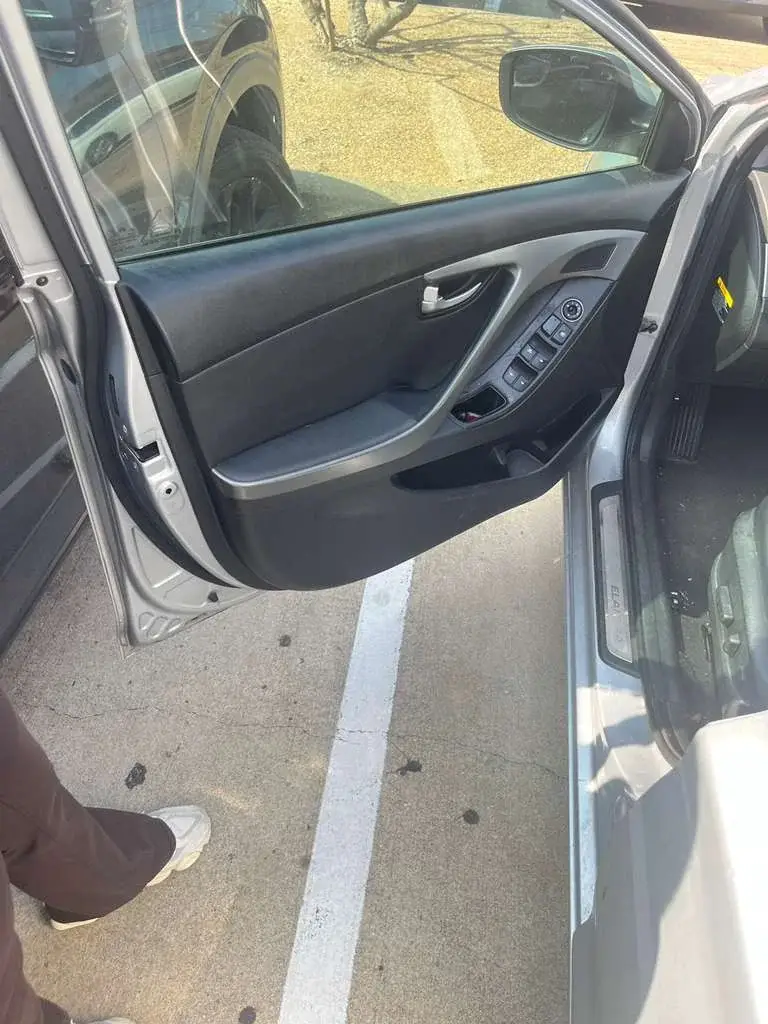
A broken key fragment can get pushed deeper or damage the lock. Stop turning and avoid glue, magnets, prying tools, and spare keys. Secure the car and arrange key extraction help.
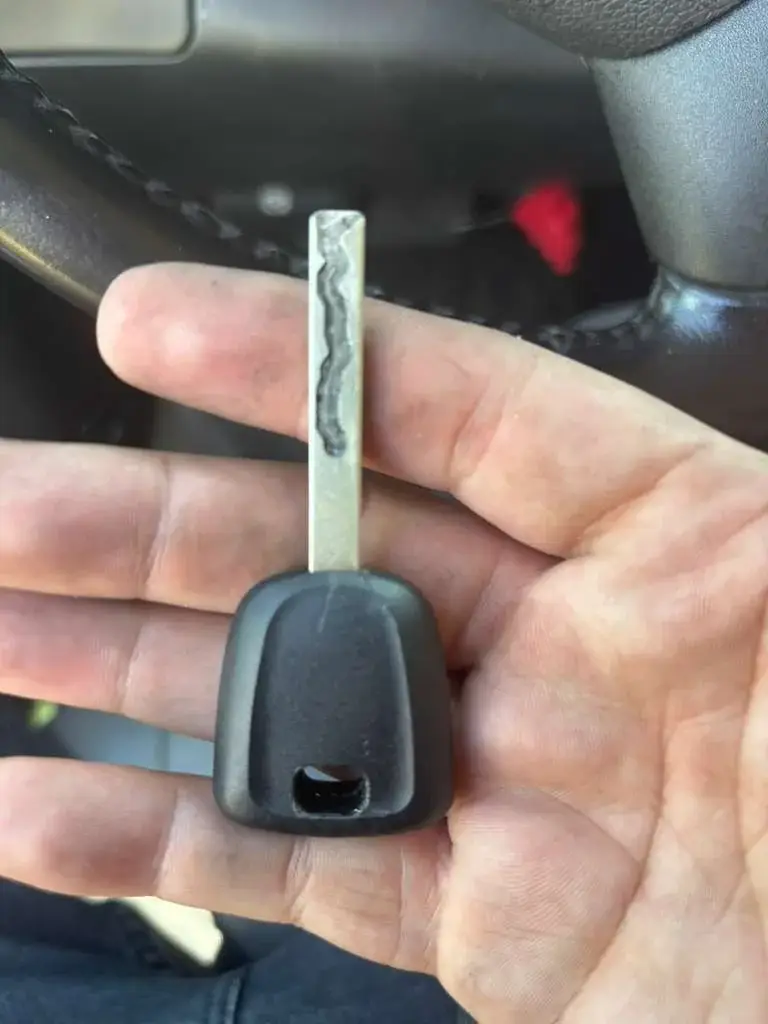
Lost your only car key? A mobile locksmith may be able to make and program a replacement once they confirm your vehicle details and authorization.