Locksmith Tips
Tweezers, Glue, Magnets, What Actually Works for a Broken Key in a Lock
If you have a broken key in lock, tweezers work only in a small number
Need Residential Lock repair In Houston Fast Mobile Locksmith offers trusted same day home lock repair rekey and upgrade services to secure your house today
Residential lock repair in Houston addresses sticking keys, loose hardware, jammed deadbolts, and doors that will not lock properly. Mobile Locksmith helps Houston, TX homeowners identify the cause, review repair or replacement options, and restore dependable operation. Our residential locksmith service checks both the lock and the door because either can cause trouble.
A lock should work without lifting the door, pulling hard on the handle, or trying the key five different ways. If getting inside has become a daily puzzle, something needs attention.
Call (281) 528-1703 or visit Mobile Locksmith to discuss your home lock problem and arrange service.
Home lock repair addresses a specific mechanical or alignment problem rather than replacing hardware without checking it. The correct fix depends on whether the trouble comes from the key, cylinder, latch, bolt, mounting screws, or surrounding door.
A key that turns poorly may point to wear inside the cylinder. A deadbolt that works with the door open but binds when closed often points to alignment.

Our approach is to check how the complete entry operates before recommending work. That helps separate a lock problem from a sagging door or damaged frame.
Does your door lock only after a hard shove?
That is useful information, not a normal operating step.
A lock needs attention when its operation changes, even if it still works most of the time. Waiting until it stops completely can leave you unable to enter or secure your home.
Pay attention to new resistance, unusual movement, or inconsistent results. A problem that appears only during humid weather still deserves a home lock assessment.
A working key should not double as a tiny pry bar. More force usually adds wear rather than fixing the cause.
Houston heat, humidity, and moisture can change how some doors fit, making a sound lock feel defective. Wood can swell, weatherstripping can press against the door, and shifting hardware can move the latch away from its opening.
These conditions do not explain every lock problem. Internal wear and damaged keys can produce similar symptoms, so checking the door and lock separately matters.
Think about when the trouble began. Did the door become difficult after heavy rain, a weather change, new weatherstripping, or recent painting?
Across Houston, Texas, entry doors face different exposure. A shaded front entrance may behave differently from a back door exposed to afternoon sun.
A sticking deadbolt may need cylinder work, mounting adjustments, or correction where the bolt enters the frame. Replacing the key alone will not fix a bolt that rubs against the strike plate.
During a lock repair assessment, we check whether the thumbturn and key operate smoothly with the door open. We then compare that movement with the door closed.
If the bolt binds only when closed, the strike opening or door position may need attention. If it binds in both positions, the lock mechanism or mounting may be involved.
Avoid holding the door under heavy pressure while forcing the key. A bent key can make an existing problem worse.
The deadbolt should reach its full locked position during normal use. A partly extended bolt should not be treated as a properly secured door, even if the thumbturn feels resistant.
Loose handles and unreliable latches can come from worn components, loose fasteners, or a poor fit between the door and frame. Tightening a visible screw may help, but it does not address every cause.
A handle that spins without retracting the latch may have a damaged connection inside. A latch that retracts but will not catch may be missing the strike opening.
We check these movements separately so the repair recommendation matches the fault. We also look for binding caused by hardware installed too tightly or positioned incorrectly.
The deadbolt should not have to do the latch’s job too.
A broken key inside a lock should be removed without pushing the fragment farther into the cylinder. The remaining piece may block normal operation or damage internal components if forced.
Do not insert another key behind the fragment. Avoid glue, improvised hooks, and repeated attempts with tools that do not fit.
Stop using the lock and note whether any fragment is visible. If the door is open, leave it open when safe rather than risk becoming locked out.
After removal, the cylinder still needs testing. A key may break because it was bent or worn, but resistance inside the lock can also contribute.
Our residential locksmith service can assess whether the cylinder remains usable and whether another issue needs correction. Simply removing the fragment does not prove the original problem is gone.
Repair restores operation, rekeying changes which key works, and replacement changes the lock hardware. These choices are related, but they are not interchangeable.
A rekey does not correct a damaged latch or bent bolt. Repairing a loose handle does not prevent a missing key from opening the door.
Have you recently moved into a Houston home? Even smooth-working locks deserve a conversation about who may still have keys.
Our residential lock repair in Houston service starts with your description of the problem and a check of the affected entry. We focus on what causes the fault before discussing the next step.
Your observations help us reproduce an intermittent problem instead of guessing.
The time needed for lock repair depends on access, the fault, hardware compatibility, and any door damage. A loose mounting connection is different from a broken internal mechanism in an older lock.
We cannot judge every repair from a short description. Photos and model information can help, but an inspection may reveal issues that are not visible outside.
Ask about current scheduling when you call. If you need prompt help because the door will not lock, say that first so we understand the situation.
Stop using force when a key bends, hardware shifts, or the bolt refuses to move normally. Repeated pressure can turn a limited repair into a broken key or damaged lock.
If the door is open, keep it from closing accidentally while you inspect the problem. Do not disable the only usable exit or leave an entry unsecured while away.
If someone is in immediate danger, contact emergency services first. Emergency locksmith service is not a substitute for an emergency response.
You can help the visit run smoothly by keeping the affected door accessible and gathering useful details. There is no need to take the lock apart before we arrive.
Have any working keys ready, including a spare if you have one. Comparing keys can help distinguish key wear from a cylinder problem.
If you rent, check who can authorize hardware changes before scheduling work. For an apartment or managed property, explain any access instructions or approval requirements during the call.
A keypad or connected lock can malfunction because of bolt resistance, loose mounting, battery trouble, or another device-specific issue. Electronics do not eliminate the need for proper door alignment.
If the motor sounds strained or repeatedly stops, avoid repeated cycles. First note whether the physical thumbturn moves smoothly and whether the door must be pushed into position.
Check the maker’s instructions before resetting the device. A reset may erase access settings without correcting a mechanical fault.
Call with the model before arranging service so we can discuss the issue and whether it fits the requested work.
A lock cannot operate reliably if the door or frame no longer supports it properly. Split wood, bent metal, loose hinges, and damaged mounting holes can affect both function and security.
After forced entry or a hard impact, look beyond the cylinder. The strike area and surrounding material may have damage even when the lock still turns.
We can inspect the lock-related concern and explain where the problem extends beyond the hardware. Some conditions may require a door or frame professional rather than lock repair alone.
Do not assume a longer screw or a new deadbolt solves every damaged entry. The repair needs to match the material and condition.
If you notice signs of a recent break-in, put personal safety first. Avoid entering if you suspect someone may still be inside.
Routine checks can catch looseness and resistance before they interrupt daily use. The goal is smooth operation, not frequent disassembly or extra lubricant.
Follow the hardware maker’s care instructions. Use only a lock-compatible product when lubrication is appropriate, since the wrong product can collect dirt or affect components.
Test repaired hardware several times while the door is open, then closed. If trouble returns only during certain weather, note that pattern for the next inspection.
Mobile Locksmith helps you take the next step when a home lock becomes difficult, loose, or unreliable. For residential lock repair in Houston, tell us what the lock does, which door is affected, and whether you can currently secure the entry.
We keep the conversation focused on the problem and the options that fit its condition. A useful recommendation should explain what needs correction and whether the existing hardware can stay.
Do not wait for a stubborn key to become a broken one. If your front door, back door, or garage entry lock needs attention in Houston, TX, contact us to discuss service.
Call (281) 528-1703 or contact us to arrange a residential lock assessment.
Residential lock repair addresses problems with locks on home doors. Mobile Locksmith provides this service.
Difficulty turning the key, a loose lock, or trouble latching may indicate that a lock needs attention.
Repair may be an option, depending on the lock’s condition and the nature of the problem.
Avoid forcing the key, as this may cause further damage. Contact a locksmith for assistance.
Wear, dirt buildup, or door alignment issues may affect how a lock operates.
A loose lock may be repairable, depending on whether the issue involves its fittings or internal parts.
The problem may involve the lock, latch, or door alignment. The appropriate work depends on the cause.
No. Repair addresses operation problems, while rekeying changes which key works with the lock.
Repair may be possible, but replacement may be needed depending on the damage.
Contact Mobile Locksmith to discuss the issue and ask about arranging service.
If you have a broken key in lock, tweezers work only in a small number
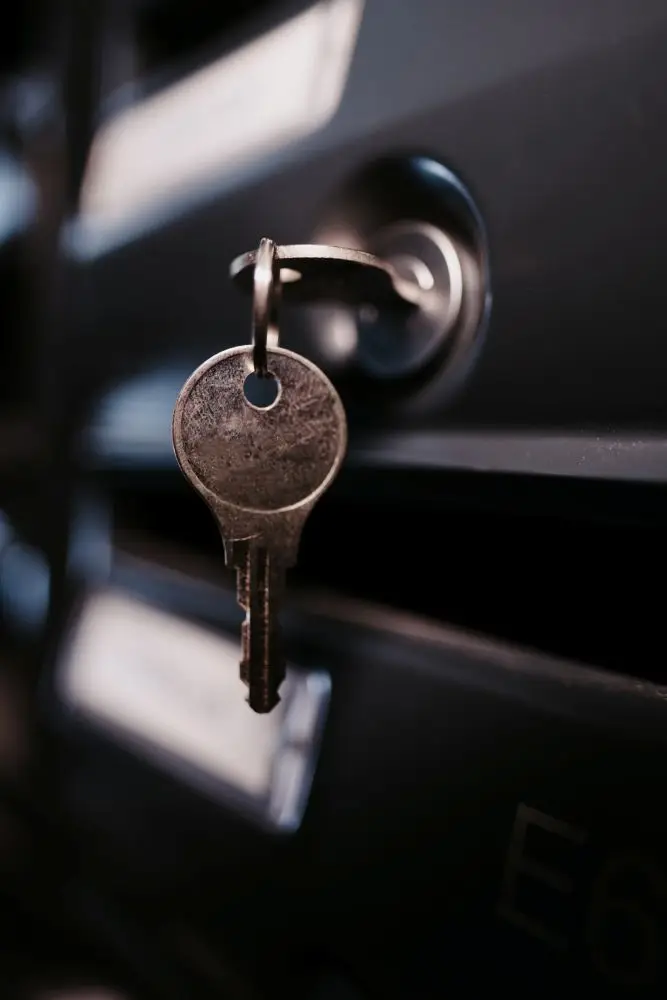
If your key won’t turn after the car sat all night, the cause is often
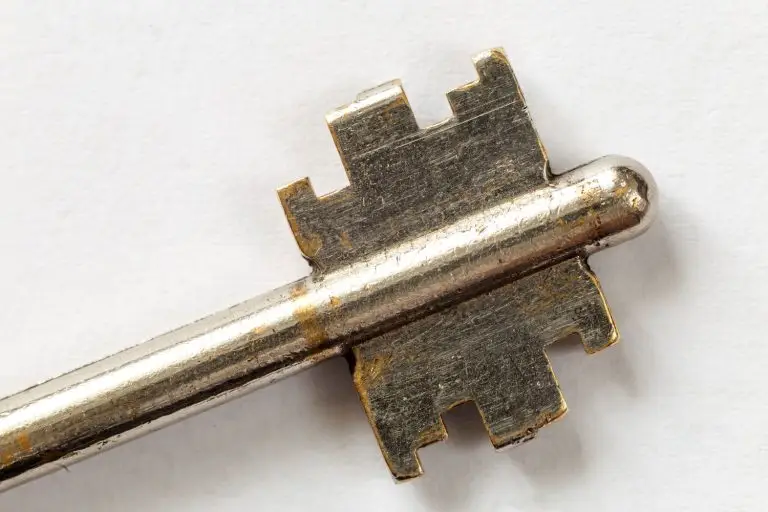
Keys break because they wear down little by little, get cut the wrong way, or