Automotive Locksmith
Key Fob Works Sometimes? When Key Fob Programming May Help
An unreliable key fob may point to a weak battery, damage, signal trouble, or lost pairing. Use these checks before arranging key fob programming.
Residential Lock replacement In Houston by Mobile Locksmith with 30 minute response licensed techs upfront pricing and 1 year warranty for your home security
Home lock replacement that fits your door.
Residential lock replacement in Houston replaces worn, damaged, or unsuitable door locks with hardware that fits your home. Mobile Locksmith helps Houston, TX homeowners assess existing locks, choose suitable replacements, and check door operation. We focus on secure locking, dependable key use, and practical access for your household.
Lock replacement makes sense when the hardware is damaged, unreliable, or no longer meets your household’s needs. A working lock should turn without force and secure the door without repeated pushing, pulling, or lifting.
Does your key work only after a little wiggle and a hopeful pause? That is worth checking before the lock stops working with you outside.
Not every stubborn lock needs to be replaced. We check whether the trouble comes from the lock itself, the door, or the frame before discussing repair or the next step.

Replacement changes the lock hardware, while rekeying changes which key operates a compatible existing cylinder. The right choice depends on the lock’s condition and what you want to change.
If your lock works well but old keys remain in circulation, rekeying may address the access concern. If the lock is broken, badly worn, or unsuitable for the door, new hardware may be the better option.
Use this short checklist to guide the conversation.
New keys do not correct a damaged bolt or loose housing.
New hardware also needs proper installation and a sound door frame to work as intended.
Exterior lock replacement should match the door’s construction, existing holes, and daily use. A front entry, rear door, and garage access door may not need identical hardware.
We look at door thickness, the distance from the door edge to the lock hole, and the shape of the latch opening. These measurements help avoid a replacement that looks right in the package but does not fit at home.
Some older homes have mortise locks fitted into a pocket inside the door. Tell us about unusual hardware before the visit so we can discuss the fitting needs.
A replacement lock works properly only when the door closes squarely and the bolt meets the strike opening. Installing new hardware without checking the door can leave the original problem unresolved.
Houston humidity can affect some wood doors and frames. Loose hinges, worn weatherstripping, or movement around the doorway can also change how the lock lines up.
Notice whether the lock turns easily with the door open but sticks when it is closed. That difference often points to pressure or alignment trouble rather than a failed cylinder, which matters when assessing lock repair needs.
A lock should not require a shoulder workout. If you must shove the door to turn the key, mention that before replacement begins.
Our residential lock replacement in Houston service begins with a look at the door, existing hardware, and your access needs. We discuss the proposed work before removing the lock.
Please be ready to confirm that you are authorized to request changes to the property. If the home is rented or managed, arrange permission through the appropriate person before the visit.
You should also try the lock yourself before the visit ends. That gives you a chance to ask about anything that feels unfamiliar.
A move is a useful time to check exterior locks and decide who should have access. Receiving keys does not tell you how many copies may still exist.
Walk through every entry rather than focusing only on the front door. Rear doors, side entries, and attached garage access doors can be easy to overlook during a busy move.
Bought a home with three doors and five mystery keys? Label the keys that work and set aside those you cannot identify. We can review the confusing entries with you without assuming every lock must be replaced.
A keypad lock can simplify household access, but it still needs correct fitting and a door that closes properly. Code entry cannot compensate for a bolt that drags against the frame.
Before choosing a model, think about who will use it and how they enter the home. Also review battery access, backup entry, button visibility, and whether the lock needs a separate hub or phone connection.
Check replacement compatibility before buying hardware yourself. Keep the packaging and installation instructions until the lock has been fitted and tested. Those details can help resolve questions about parts and operation.
Reviewing several locks during the same visit can help you create a clearer household access plan. It also gives you a chance to address neglected rear or side doors.
Many homeowners prefer fewer keys, but not every lock can use the same key. Compatibility depends on the cylinder type, keyway, and manufacturer’s hardware system.
We can discuss which locks may work together and which need separate access. A consistent appearance is another consideration, though matching finishes does not prove that the locks are mechanically compatible.
Avoid putting your full address on a key tag. A simple label that makes sense only to your household is a more cautious choice.
The time needed for replacement depends on the number of locks, hardware fit, and condition of the door. A straightforward swap differs from work involving damaged wood or an unusual lock body.
Call Mobile Locksmith to ask about current appointment openings in Houston, TX. If you need help that day, describe the situation so we can discuss availability without making assumptions about arrival time.
Photos may help us understand the existing hardware when requested. Avoid sending images that expose key cuts, access codes, or other private entry details.
Stop using force if the key bends, the cylinder shifts, or the bolt will not retract normally. Continued pressure can break the key or leave the door stuck.
Do not drill the lock, pry the door, or file the strike opening without understanding the cause. Those steps can damage usable parts and make the final fit harder to correct during lock repair or replacement.
If a door shows signs of forced entry, make personal safety the first concern. Contact emergency services if there is an immediate threat, and follow police guidance before disturbing possible evidence.
A damaged frame may need separate door or carpentry work. Replacing only the lock cannot restore split wood or a weakened mounting area.
Clear access to the door and basic information about the problem help us assess the job more efficiently. You do not need to remove the old hardware before we arrive.
Gather working keys, any replacement parts you bought, and the instructions that came with them. If the lock behaves differently in wet weather or after the door sits closed, tell us during your residential locksmith visit.
Plan to have someone available who can approve the hardware choice and test the finished lock. That person should also know how the household wants spare keys or access codes handled.
A newly installed lock should operate smoothly without lifting the handle or pushing hard against the door. Test it while the door is open first, then check it with the door closed.
Use every supplied key and confirm that the deadbolt extends fully. Make sure household members understand the inside release and any keypad functions before relying on the new lock.
Houston, Texas weather can change how an exterior door closes through the year. If operation changes after installation, pay attention to both the lock and the door fit.
Keep keys straight and replace badly worn copies. A fresh lock does not benefit from a key that has already survived years of rough handling.
Mobile Locksmith provides residential lock replacement in Houston with attention to hardware fit, door condition, and everyday use. We help you understand the available approach before changing the lock.
Whether you have a worn front-door deadbolt, damaged entry hardware, or a recent move to plan around, start with a clear description. Tell us which door needs attention and whether it can still be locked.
Our approach is practical. We inspect the problem, discuss suitable hardware, install it correctly, and check operation with you. We also explain when a door or frame issue needs attention beyond the lock itself.
Ready to make your home’s entry easier to use and properly secured? Call (281) 528-1703 or contact us to discuss residential lock replacement in Houston, TX and current appointment availability.
You may consider replacement when locks are worn, keys are missing, or access needs change.
Mobile Locksmith provides residential lock replacement services.
Replacing or rekeying the locks is worth considering if you do not know who has copies of the existing keys.
Replacement changes the lock hardware, while rekeying changes which key operates the existing lock.
A sticking lock may need adjustment, repair, or replacement, depending on its condition.
Different styles may be an option, depending on your door and preferences.
Smart locks may be considered, depending on door compatibility and household needs.
Not necessarily. The choice depends on the condition of each lock and your reasons for replacing them.
Renters should check their lease and discuss lock changes with their landlord or property manager.
Consider your existing locks, who needs access, and any preferences for replacement hardware.
An unreliable key fob may point to a weak battery, damage, signal trouble, or lost pairing. Use these checks before arranging key fob programming.
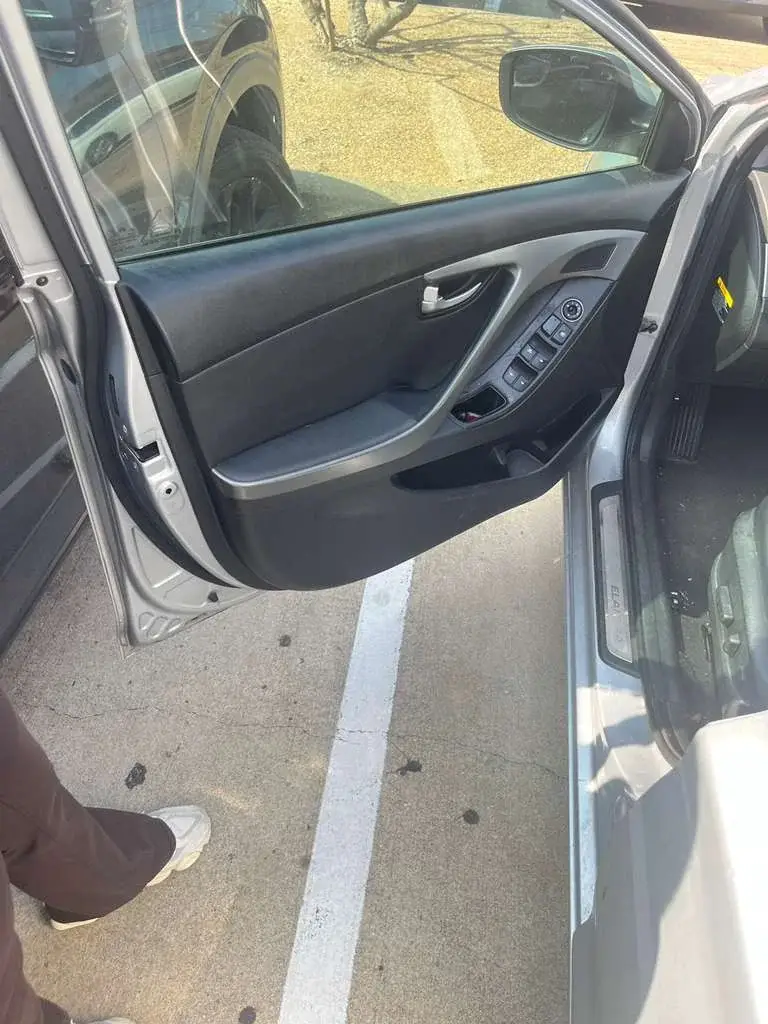
A broken key fragment can get pushed deeper or damage the lock. Stop turning and avoid glue, magnets, prying tools, and spare keys. Secure the car and arrange key extraction help.
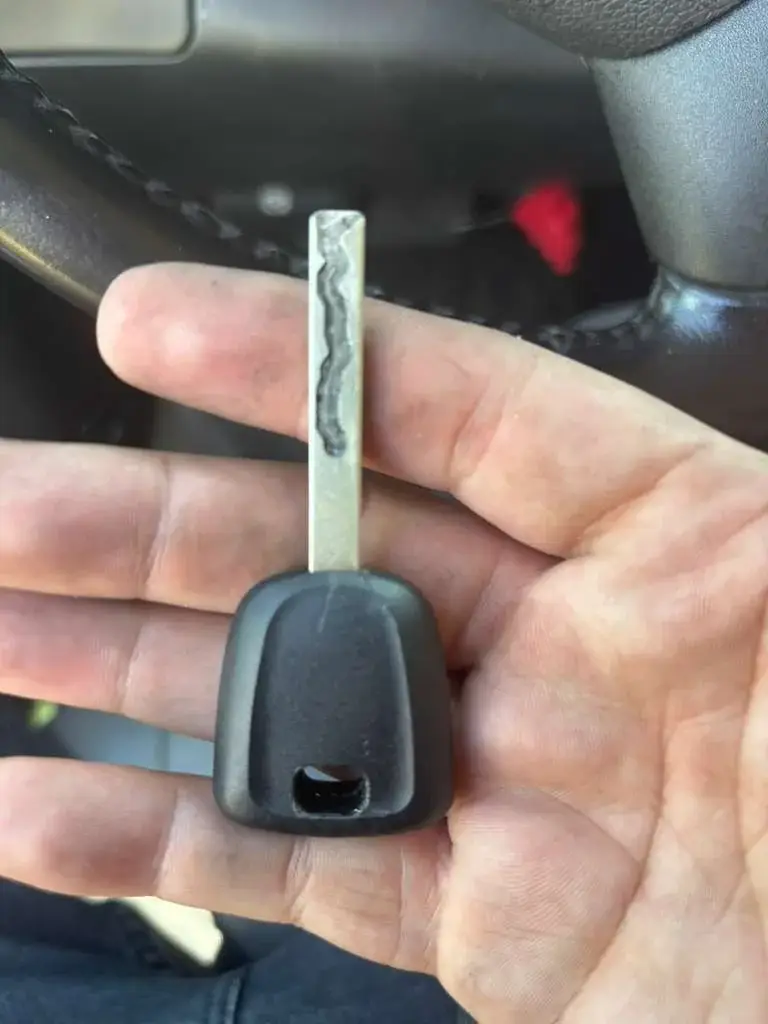
Lost your only car key? A mobile locksmith may be able to make and program a replacement once they confirm your vehicle details and authorization.